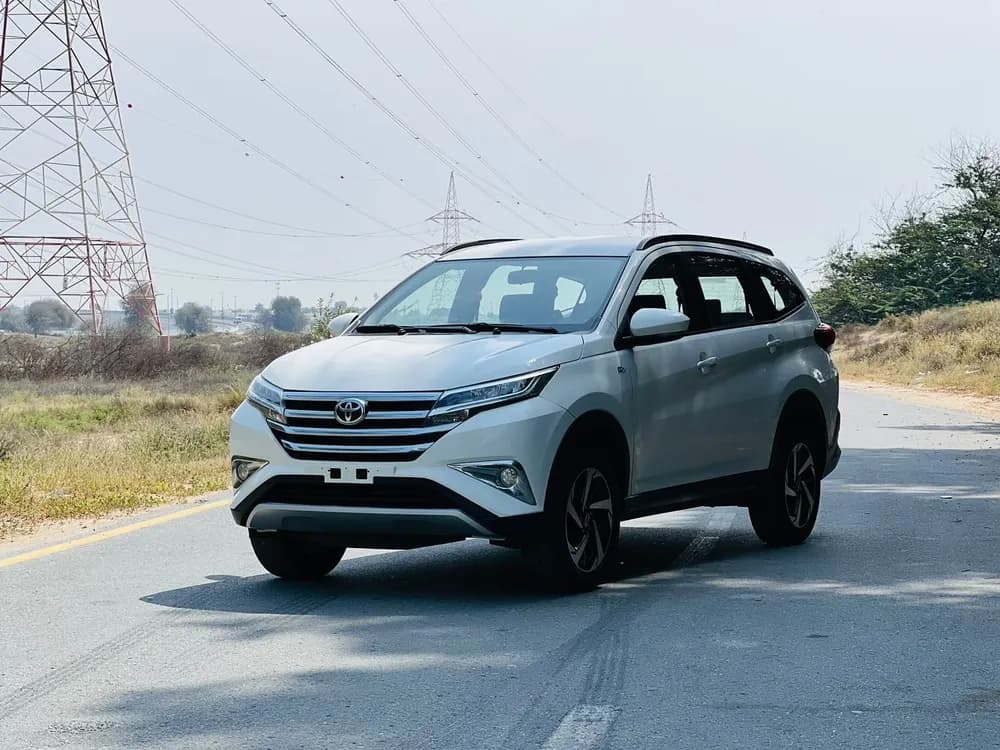

Tyres are one of the most essential mechanical components of any automobile. They are tasked with translating horsepower into actual motion and are therefore crucial for the normal functioning of cars. Car buyers all over the world spend a great deal of money on purchasing their vehicle but oftentimes forget its tyres. This leads to a multitude of problems that can leave one stranded on the side of the road.
In order to mitigate such risks and reduce the chances of mishaps, it’s important to know the common types of tyre problems faced by drivers across the globe. Before we get to that, however, we need to know a little about our rounded friend, the humble tyre.
Humble but complex in its making
Modern-day tyres are made using advanced techniques, complex chemistry, state-of-the-art machinery, and millions of dollars in research and development costs. According to Dunlop, producing a road-legal tyre can involve up to 30 different types of rubber (both organic and inorganic). These are then mixed together with various chemical agents inside specialized blenders.
The result is a really hot, black-colored elastic substance that is cooled before being cut into small rubber strips. The next step involves a specialized machine where various other components like steel, ply, beads, treads, etc. are put together. Finally, a hot mold compresses these components under immense pressure to give the tyre its familiar round shape.

Common problems affecting tyres
1. Over-inflated or under-inflated tyres
Depending on the type of tyre and its mission, the manufacturer publishes guidelines regarding the right air pressure for its tyres. Going overboard can result in over-inflated tyres, which bring with them a couple of major issues such as:
- Less grip due to a reduced contact patch
- Reduced lifespan due to increased stress
- Uneven and premature tire wear
- Reduced margin when driving on wet surfaces
Meanwhile, under-inflated tyres come with a host of issues including:
- More friction leading to higher fuel consumption
- Reduced lifespan of suspension components and the tire
- Premature wear due to increased contact patch
- Slower steering
- Increased handling difficulties owing to understeer or oversteer
- Higher chances of damage to the sidewall leading to a tire blowout
- Increased contact patch means a higher likelihood of a puncture

2. Bulging or cracking
Tires can experience damage from impacting a curb, pothole, or a random foreign object on the road. Such encounters can be significant enough to damage the unrepairable sidewall of the tire. This can then cause air to escape within the inner structure of the tire, forming visible ‘bubbles’ on the outside.
On the other hand, tyre cracking can be the result of factors such as:
- Rubber polymers weakening over time as the tyre ages
- Long periods of inactivity/immobility (vehicle parked for a long time)
- Repeated temperature fluctuations over the course of regular vehicle operation
- Constant and repeated exposure to UV rays
- Exposure to water over an extended period of time
3. Flat spot
While not the most common of problems, tires can have a flat spot. This is a phenomenon wherein a portion of the tyre has been worn down to a point where it’s flat instead of being a smooth curve. It’s caused by the emergency application of the brakes, which then eats away at the rubber layers at one location. A flat spot is more common on vehicles with no anti-locking brakes.
4. Wheel alignment
A vehicle’s wheel alignment and suspension are closely linked to one another. However, improper wheel alignment can easily lead to damaged tyres. Instead of tracking straight and center, a misaligned wheel can continuously drag the tire (and thus the vehicle) to one side, causing premature wear to the tyre and also the suspension.

5. Worn-out tread
A road-legal tire is only as good as its available tread. Once the tread in a standard passenger car drops below 1 mm, the affected tyre is no longer safe for road use. Treads wear down over a period of time during regular use – although excessive high-speed braking, frequent stop-and-go accelerations, and harsh handling can cause premature tread wear.
Safe practices and managing your tyres
If you own an older vehicle, be sure to check your tyres often. Even if you have installed new tires, the age of the vehicle they are attached to can cause wear & tear patterns that are different when compared to a new vehicle. Older tires need you to be more vigilant as they might have been exposed to a variety of hardships like those mentioned above.
This can make them susceptible to sudden failure if not diagnosed and fixed early. Improper tire pressure is one of the most common issues facing drivers. Ensure the tires in your vehicle are inflated to the right pressures as mentioned by the OEM. Moreover, only buy tyres that are compatible with your vehicle and its wheels.
To reduce the wear on your vehicle’s tires, hard accelerations and unnecessary braking are best avoided. Of course, both of these might be required under varying circumstances for the safe operation of the vehicle. Similarly, slow down when driving over rough patches of the road or over uneven and harsh surfaces. This will not only make the ride more comfortable but also extend the life of your tires.
Whether you’re driving a rugged Toyota SUV or a sleek Mercedes-Benz luxury sedan, there are a couple of things to keep in mind. Before embarking on any journey, no matter how short or long, check the tires and ensure they are at the right pressure. If you experience any signs of trouble, get your tyres checked by a trained professional as soon as possible.