As electric vehicles (EVs) become more popular across the UAE, understanding how they respond to extreme conditions like floods is essential. While petrol and diesel cars face known flood hazards, EVs have unique design features that can influence safety and repair costs. This guide breaks down what UAE drivers need to know when it comes to EVs and flood situations.
Potential Benefits of EVs in Flood Conditions
Simplified Mechanics for Easier Post-Flood Repairs
EVs generally feature fewer mechanical components than traditional internal combustion engine (ICE) vehicles. This streamlined design can make certain post-flood repairs more straightforward if key electrical systems remain intact. That said, specialised EV technicians may still be required due to the complexity of electric drivetrains.
Sealed Motors and Battery Packs
Most EVs come with motors and battery packs housed in sealed units. While these components aren’t entirely waterproof, the sealing provides an added layer of protection against floodwater, potentially reducing damage compared to standard petrol engines.
Built-in Safety Shutdowns
EVs include safety systems that automatically cut power if a short circuit occurs. In a flood scenario, this feature can help prevent further damage to electrical components by stopping the flow of electricity, enhancing occupant and vehicle safety.
Key Risks for EVs in Flooded Areas
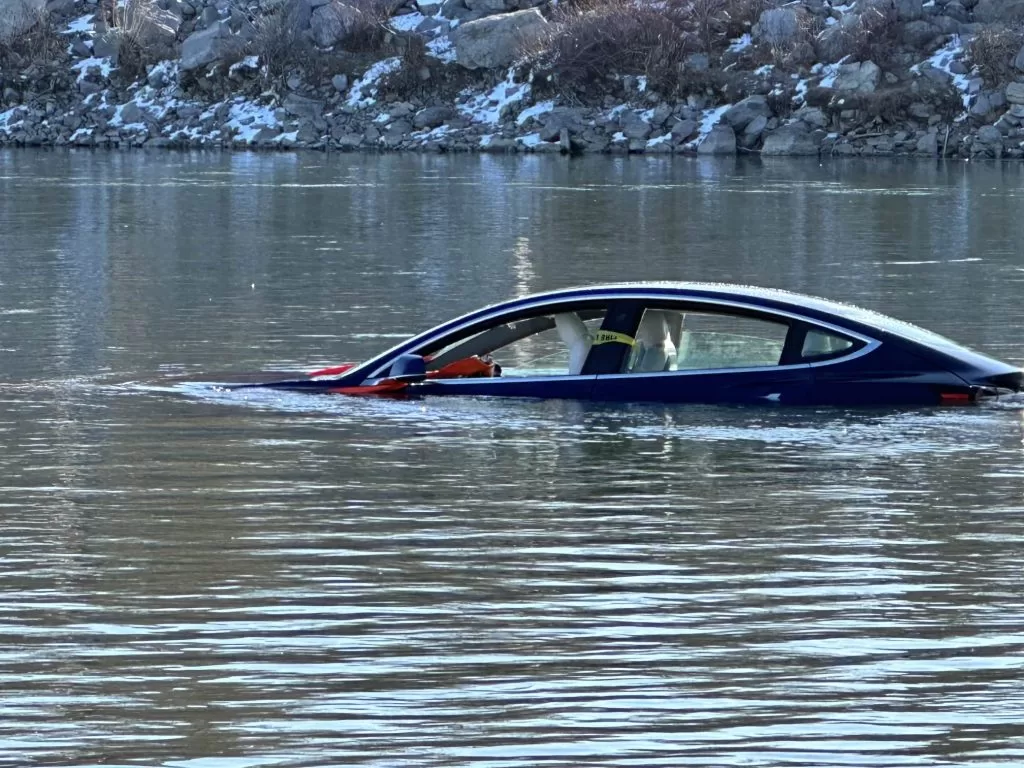
Floodwater Infiltration Remains a Threat
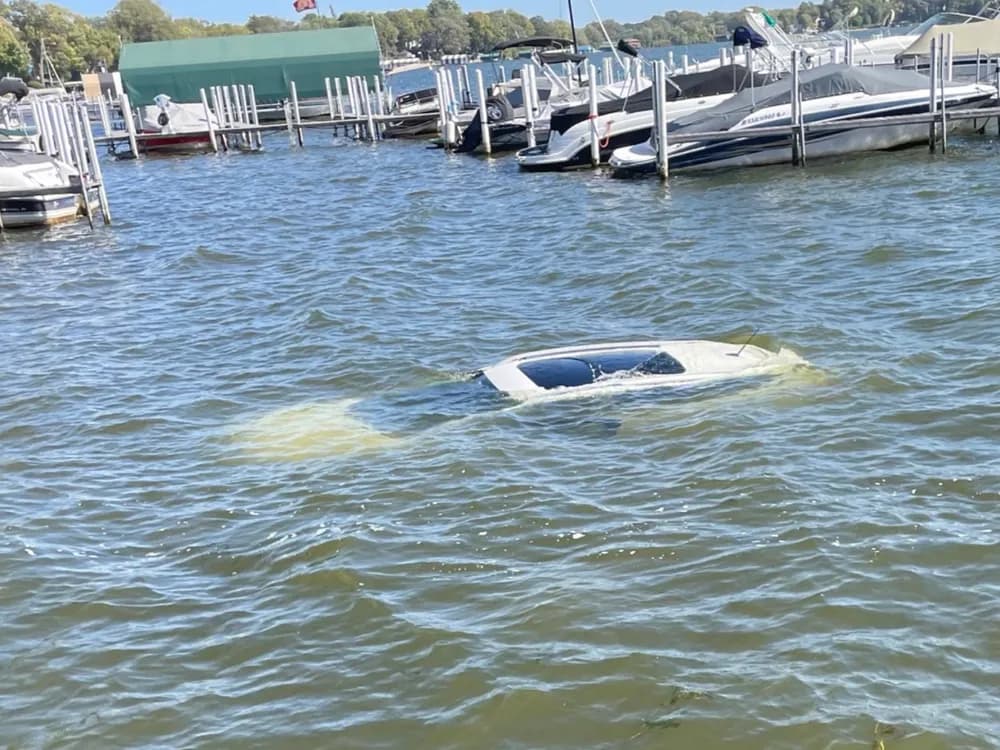
Even with sealed systems, floodwaters can penetrate sensitive EV components. Driving through deep water is inherently dangerous for any vehicle type, so caution is always essential.
Electrical Hazards Are Serious
A submerged EV presents a high risk of electrical shock. Combining water and electricity can be lethal. Never attempt to operate, move, or touch a flooded EV. Always wait for professional assistance to ensure your safety.
Repair Costs Can Be High
While EVs have fewer moving parts, their specialized electrical components can be costly to repair after flood damage. Repairs may also require trained technicians, increasing both cost and downtime compared to conventional petrol vehicles.
Flood Damage and Body Corrosion
Exposure to water can affect both EVs and ICE cars. Flooding can lead to corrosion in:
- Electrical wiring and connectors
- Vehicle chassis and frames
- Brake systems and suspension components
Proactive inspections and professional cleaning can help mitigate long-term damage.
Additional Safety Tips for UAE Drivers
- Avoid driving through floodwaters: The safest option is to turn around and seek an alternative route.
- Know your vehicle’s wading depth: Check the owner’s manual to determine how deep water can safely go.
- Seek professional assessments: After exposure to floodwater, have your car inspected by certified EV specialists.
Professional Vehicle Inspection Recommendations
Even after preliminary checks, professional evaluations provide peace of mind. In the UAE, services like YallaMotor partner Shory offer inspections covering over 240 checkpoints and generate comprehensive condition reports, ensuring you know exactly what repairs or replacements are needed.
Conclusion: Are EVs Flood-Proof?
Electric vehicles offer some potential advantages, including fewer moving parts and sealed electrical systems. However, they are not invulnerable to flood damage. Both EVs and petrol cars require cautious handling during floods, prioritizing safety above all else. UAE drivers should:
- Never drive through deep water
- Understand vehicle-specific wading limits
- Rely on qualified professionals for any flood-related repairs
In short, EVs may simplify some aspects of post-flood maintenance, but safety and professional inspections remain critical for all vehicles.