Introduction
The comparison between automatic transmissions and continuously variable transmissions (CVTs) has sparked numerous discussions. Which is better: the traditional automatic transmission or the CVT? And which one is more prevalent in the market?
Differences Between the Systems
Although traditional automatic transmissions operate automatically, they function quite differently from the newer CVT systems.
Both automatic transmissions and CVTs provide automatic gear shifting without the need for the driver to engage the clutch pedal or manually move the gear lever. The differences arise in how each system changes gears, as well as in the driving experience of those who favor traditional automatic systems. Nevertheless, in both cases, the driver must shift to 'D' and press the accelerator while driving.
CVT System
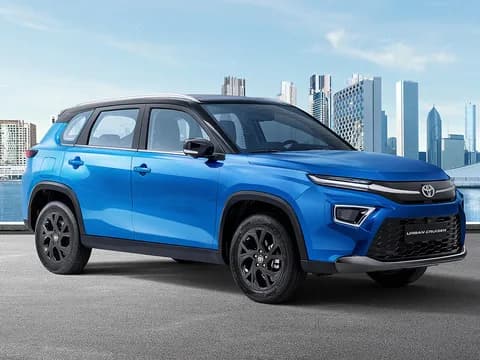
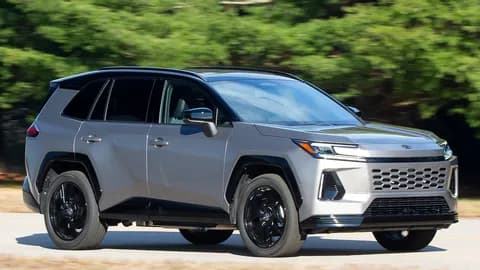
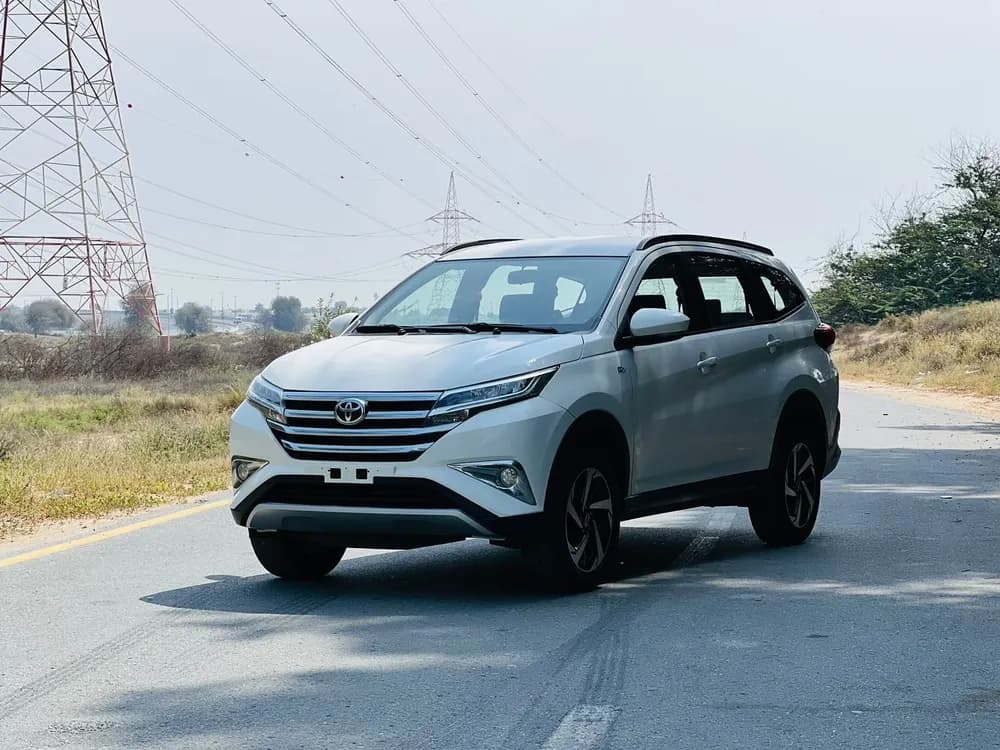
The CVT system is a fast alternative to the automatic transmission. While automatic transmissions have been established and popular since their inception in the 1940s by General Motors, CVT technology has made significant advancements in recent years. It is quickly replacing the traditional automatic transmission, with many car manufacturers equipping their vehicles with this system, including:
- Toyota
- Honda
- Mitsubishi
- Nissan
Why Is the CVT Considered Better?
Given that the CVT is widely recognized and commonly used, it must be superior. Let's discuss the reasons why the CVT outperforms the traditional automatic transmission.
Better Engine Control
Compared to traditional automatic transmissions, driving with a CVT allows you to maintain better control. The engine responds immediately when you press the accelerator, and its power gradually decreases when you lift your foot off, making it a more interactive driving system.
Fuel-Efficient
One reason many people prefer CVTs over traditional systems is their fuel efficiency, enabling longer drives on a full gasoline or diesel tank. While driving a CVT-equipped vehicle, you will notice the engine RPM decreases gradually when accelerating between 40 and 100 km/h. This is because as the car gains speed, the belts adjust to optimize power generated from engine revolutions, transferring it from the engine to the wheels. This means that lower engine RPMs lead to better fuel consumption.
Smoother and Safer Driving Experience
The CVT system adjusts the gears, preventing vibrations since the engine has full control over the displacement. This control has been enhanced through the use of the car's onboard computer.
Disadvantages of the CVT
Despite its advantages, there are still enthusiasts who hold onto the traditional automatic transmission, highlighting some drawbacks of the CVT.
More Vibration
This issue arises only when the engine is idle (not running) or cold, as the engine is calibrated while trying to reach optimal performance.
Less Acceleration
Unlike driving with a manual or traditional automatic transmission, you may feel a lack of acceleration power when rapidly speeding up in a CVT vehicle.
Which System Should You Prefer to Purchase?
With recent improvements in CVT technology and the addition of smarter computer controls, the CVT system has become the preferred choice for buyers. Additionally, CVT-equipped vehicles often come with paddle shifters behind the steering wheel for those who desire greater control over gear shifting.
Editor's Choice:
What Is a Classic Car and How Is It Registered in the UAE?
How to Import Cars into the UAE
See Also:
Exporting Cars from the UAE to Another Country
Driving Experience of the 2019 Renault Duster During Its Official Launch in Jordan