
Gasoline Types in Saudi Arabia: 91 vs 95 Octane, Differences, and Best Choice for Your Car
Tags:
What Types of Gasoline Are Available at Fuel Stations in Saudi Arabia?
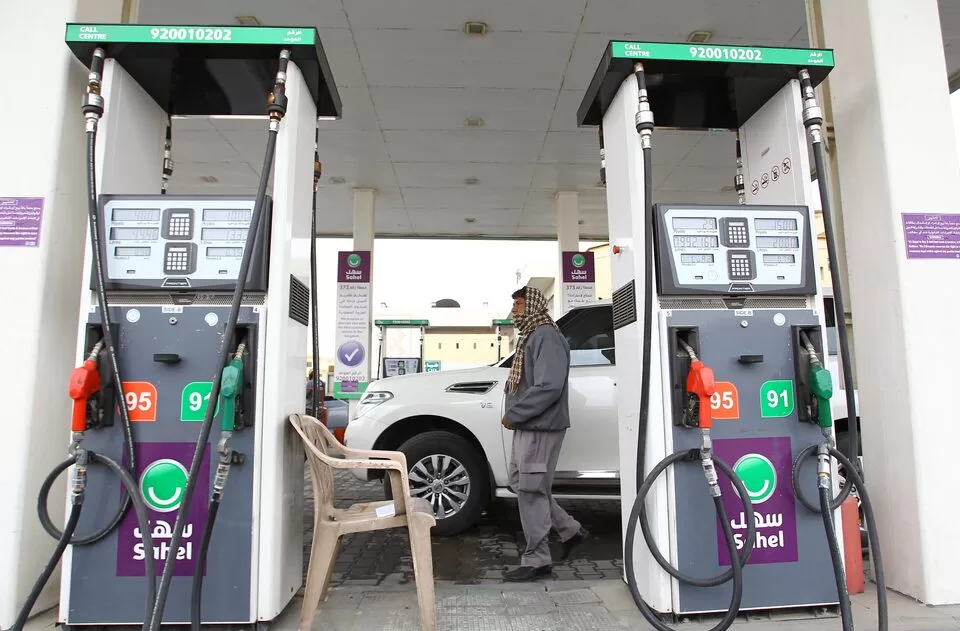
Fuel stations across Saudi Arabia offer two primary types of unleaded gasoline: Gasoline 91 (Green) and Gasoline 95 (Red). The main difference between these types lies in the "octane rating," which measures the fuel’s resistance to premature ignition inside the engine. The suitable type depends on your engine’s design and compression ratio.
Choosing the right fuel is a crucial step to maintaining your car’s efficiency and reducing long-term maintenance costs, especially given the variety of vehicles on the Saudi market.
- Green Gasoline (91): Cost-effective and suitable for most vehicles.
- Red Gasoline (95): High-performance fuel designed for powerful engines.
- Color-Coding System: Aramco adopted color codes to make selection easier and minimize errors.
Details of Fuel Types and Approximate Prices
Saudi Arabia aims to provide options suitable for all drivers. Green gasoline is priced lower (around 1.90 SAR/liter as per the latest updates), while red gasoline comes at a slightly higher price (about 2.04 SAR/liter). Understanding the differences is essential for monthly budgeting.
What Is the Fundamental Difference Between Red Gasoline (95) and Green Gasoline (91)?
The primary difference between Gasoline 91 and Gasoline 95 is the fuel’s ability to withstand pressure before igniting—known as the octane rating. A higher octane number means the fuel resists knocking or premature combustion, making it suitable for high-performance and high-compression engines.
It's a common misconception that 95 octane fuel is "cleaner" or will automatically make a vehicle "faster." Cleanliness depends on the additives used by fuel companies, and power is determined by the engine’s design.
1. Green Gasoline (Octane 91)
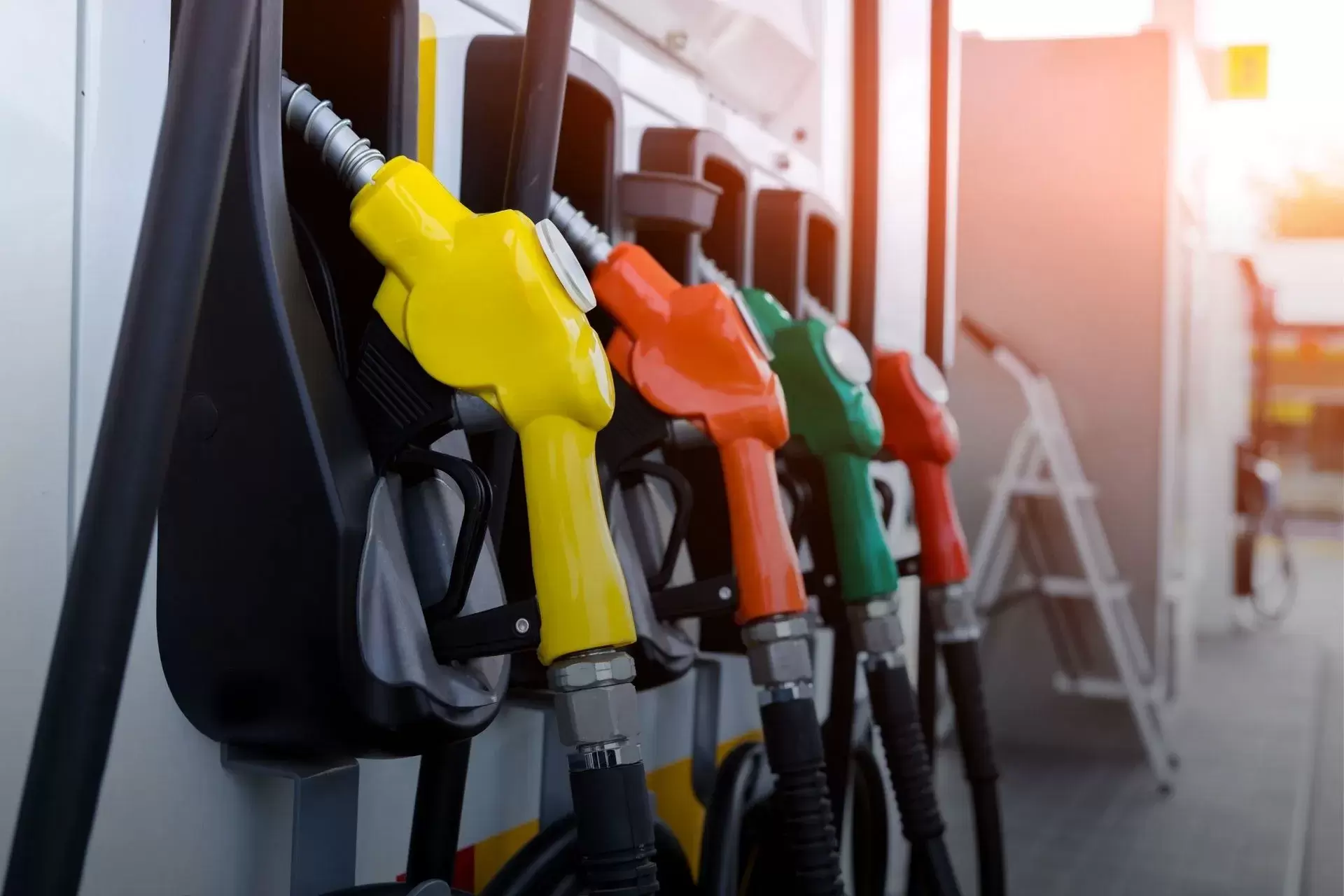
This type is designed to be the economical and practical choice for most vehicles on Saudi roads. Family cars, economical sedans, and some SUVs are engineered to run optimally on this fuel.
If you drive an economical Toyota like the Yaris or Corolla, Gasoline 91 is usually the manufacturer’s recommended option, offering ideal combustion without unnecessary extra cost.
2. Red Gasoline (Octane 95)
This fuel is intended for engines with high compression ratios, such as sports cars, luxury vehicles, and turbocharged engines. These motors generate higher pressure and heat inside the cylinder and require fuel that resists auto-ignition until the spark plug fires.
When searching for used Mercedes-Benz cars in Saudi Arabia, you’ll notice that most models require 95 octane gasoline to ensure peak performance and protect the engine from damage.
How to Choose the Right Gasoline for Your Car
Don’t rely on guesswork or friendly advice when it comes to fuel selection. Always refer to your car’s official sources. Using a lower octane than recommended can harm your engine, while higher octane than needed adds no real benefit—just extra expense.
How to Confirm the Correct Fuel Type:
- Owner’s Manual: Your most accurate reference guide.
- Fuel Cap Label: Usually, a sticker inside the cap specifies the required octane (91 or 95).
- Car Dealer: Contact your local dealer in Saudi Arabia for confirmation.
For example, if you own a new Hyundai Elantra, you’ll likely find a label recommending 91 octane, ensuring significant annual savings on operating costs.
Is It Harmful to Mix 91 and 95 Gasoline in Your Car?
Yes, mixing fuels can damage the engine if your car is designed exclusively for 95 octane. The resulting lower octane can cause knocking or "pinging," leading to long-term mechanical damage. However, if your car is built for 91 octane, mixing or using 95 octane won’t harm it—but it will waste money.
Let’s break it down chemically and mechanically:
Scenario One: Your Car Is Designed for 91 Octane
If you fill up with 95 octane or mix the two, you won’t face mechanical issues. Your engine, built for lower pressure, will easily burn 95 octane. However, you won’t notice any increase in horsepower or fuel economy—the only benefit goes to the fuel station due to the higher price.
Scenario Two: Your Car Is Designed for 95 Octane
This is where problems arise. Mixing fuels or using 91 octane produces a blend with an octane rating below 95 (for example, 93). High-compression engines may experience premature fuel ignition, leading to:
- A "knocking" or pinging sound from the engine
- Reduced torque and throttle response
- Increased engine temperature
- Piston and valve damage if the habit continues
Emergency Advice
If you need to mix fuels due to availability—especially while traveling on highways in Saudi Arabia—don’t panic. Fill only enough to reach the next station, and avoid high speeds or aggressive acceleration until you refill with the correct fuel.
Common Myths About Gasoline in Saudi Arabia
Many unfounded rumors circulate among drivers. It's important to clarify these misconceptions to protect your car and your wallet.
Myth 1: 95 Octane Makes Cars Faster
Reality: Fuel alone does not increase horsepower. Engine power comes from its design. Using 95 octane in a small economical car won't turn it into a race car.
Myth 2: Red Gasoline Is Cleaner and Contains Fewer Impurities
Reality: Both 91 and 95 octane fuels provided by Aramco meet the same standards for purity and filtration. The difference is only in combustion characteristics, not liquid cleanliness.
Myth 3: Switching Between Types Cleans the Engine
Reality: Constantly switching fuel types can confuse your car’s ECU (engine control unit), which may increase fuel consumption instead of saving it.
Fuel-Saving Tips for Saudi Arabia’s Climate
Given Saudi Arabia’s hot climate and varied terrain—from mountain cities like Abha to coastal cities like Jeddah—here are some ways to reduce your fuel bill regardless of the fuel type:
- Tire Pressure: Maintain tire pressure as recommended by the manufacturer. Underinflated tires increase rolling resistance and fuel consumption.
- Regular Maintenance: Change spark plugs and air filters regularly for optimal combustion.
- Avoid Prolonged Idling: If you expect to wait more than a minute, turn the engine off. This is especially important when using the air conditioner.
- Smooth Driving: Sudden acceleration and hard braking consume more fuel.
Conclusion: Which Should You Choose?
The decision is straightforward. Refer to your vehicle’s manual or check the label on the driver’s door or fuel cap. Car manufacturers design engines for a specific fuel type to achieve the best balance between performance and efficiency.
If your car runs on 91 octane, use it and save the price difference for other maintenance expenses. If your car requires 95 octane, stick with it to protect your investment and avoid costly repairs.
Whether you’re looking for an economical or a sporty car, knowing the right fuel type is an essential part of the buying decision.
Looking for a used car for sale in Saudi Arabia or a new car for sale in Saudi Arabia? Browse YallaMotor for the best deals.
