Lexus has sold hybrids in the UAE for two decades, but until this month it had never sold a fully electric car here. That changed with the arrival of the RZ500e SUV and the new-generation ES500e sedan, the first battery-electric models in the brand's UAE history. To understand what the shift means for buyers, YallaMotor Regional Marketing & PR Manager Mostafa ElMissary sat down with Jacques Brent, Managing Director of Al-Futtaim Lexus, to talk about electrification, customer demand and where the line-up goes from here.
A Lexus First for the UAE

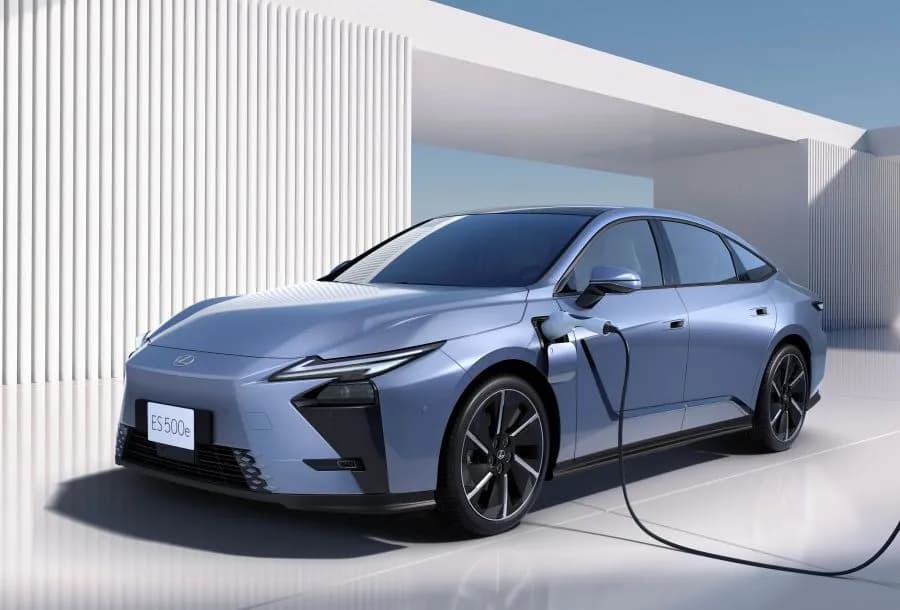
Al-Futtaim, which distributes Lexus across all seven Emirates, announced the two models on 8 October 2026. The RZ500e is built on a dedicated battery-electric platform, while the new ES arrives with two electrified powertrains: the fully electric ES500e and the ES350h hybrid.
Brent framed the launch as an extension of experience rather than a leap into the unknown. Lexus, he noted at the launch, has more than 20 years of electrification behind it, dating back to the first RX hybrid in 2005, and the goal now is "to give customers more choice without compromising on the experience they expect from the brand."
Electric, but "Unmistakably Lexus"
Mostafa opened by asking what sets Lexus apart from other brands. For Brent, the answer is that going electric has not changed the character of the car.
"The most important thing is we've taken electrification and put it on Lexus, but it's still unmistakably Lexus."
He pointed first to build quality. Having seen the cars up close, he highlighted "how well put together they are: the trim bits, the execution of the trim." Then he turned to the way they drive.
"It feels like a Lexus straight away. So it's not like it feels like a completely different vehicle; it's just a Lexus, now with an electric powertrain."
Brent also stressed what surrounds the product: Al-Futtaim's service network and support, and "the reliability and the quality of the product" that Lexus buyers have come to expect. For UAE customers weighing their first EV, that safety net may matter as much as the spec sheet.
What the RZ500e and ES500e Bring
The Lexus RZ500e uses dual electric motors producing 375hp, with Lexus' DIRECT4 all-wheel-drive system constantly shifting power between the front and rear axles. Its 74.6kWh battery delivers up to 460km of WLTP range, and it reaches 100km/h from rest in 4.6 seconds. A 22kW three-phase onboard charger takes the battery from 10 to 100 percent in about four hours, while a 150kW DC fast charger handles 10 to 80 percent in roughly 30 minutes. Inside, owners get ventilated front seats, heated front and rear seats, a 13-speaker Mark Levinson sound system and Lexus Safety System+ 3.0.

The new-generation Lexus ES brings the model's long-standing comfort into the electric era. The ES500e makes 338hp with all-wheel drive and offers an approximate WLTP range of 465km, and the Platinum DIRECT4 AWD version adds 21-inch wheels, semi-aniline leather and Adaptive Variable Suspension. The ES350h hybrid alternative produces 244hp, 29hp more than before, with front- or all-wheel drive and fuel consumption of around 27.7km/L. The new car is 165mm longer, at 5,140mm, with an 80mm longer wheelbase of 2,950mm, and gets Lexus Safety System+ 4.0 and an available 17-speaker Mark Levinson system.
Hybrid Demand Paves the Way
Asked whether competition in electrified cars is heating up and whether more buyers are looking at EVs, Brent started with the success Lexus already has in hybrids.
"We've done really well with hybrid, and obviously we offer hybrid across almost the whole range. So what we've seen is the customer adoption has continued to increase."
He put hybrids at over 40 percent for Lexus, and said there is now clear demand for fully electric vehicles from a specific group of buyers: those who have charging at home, or who can charge at work. Beyond practicality, he added, these customers are drawn by the performance of an electric car and the technology that comes with it.
Brent was clear that the new models answer demand rather than create it.
"Customer demand drives the delivery of these products. We don't try and find the customer for the car. We know there's a customer out there looking for an electric vehicle, and now we have that option for that customer."
Will Lexus Go Fully Electric?
Mostafa's final question looked ahead: could the Lexus line-up go fully electric, perhaps by 2030? Brent's answer reflected the "multi-pathway" thinking Toyota and Lexus have held to for years.
"The Lexus and the Toyota philosophy, for that matter, is never leave any customer behind, which means that we're going to develop a product which suits that customer and that market's demand."
That does not mean standing still. Brent said electrification "will grow and grow," driven by the company's carbon-neutrality ambitions, and that EV adoption will keep rising along the way.
"The short answer is yes. This is just the beginning. There will be more and more electric vehicles as we get to the end of this decade, and obviously early into the new decade."
What It Means for UAE Buyers
Brent's message is that Lexus customers in the UAE now have a choice of powertrain without having to choose a different kind of car. Today's Lexus line-up spans petrol, hybrid and now battery-electric models, from the UX300 Hybrid to the LX700 Hybrid. Buyers who are ready for an EV can pick the RZ500e or ES500e; those who are not can stay with a hybrid such as the ES350h. And if Brent's outlook holds, the electric share of that line-up will keep growing through the rest of the decade.
For more on the latest launches, visit the YallaMotor new cars section or catch up on the latest UAE car news.