Winter Driving Requires Extra Caution!
As winter arrives, driving becomes more challenging due to rain, fog, and dropping temperatures, all of which impact visibility and road conditions. To ensure safe and risk-free journeys, it’s essential to follow specific tips designed for winter driving.
1. Reduce Speed and Drive Carefully on Slippery Roads
Slowing down is one of the most important safety measures during winter, especially on wet or muddy roads. Slippery surfaces increase the risk of losing control of your car. Always drive at a moderate speed and maintain a safe distance between you and other vehicles.
2. Use Appropriate Lighting in Poor Weather
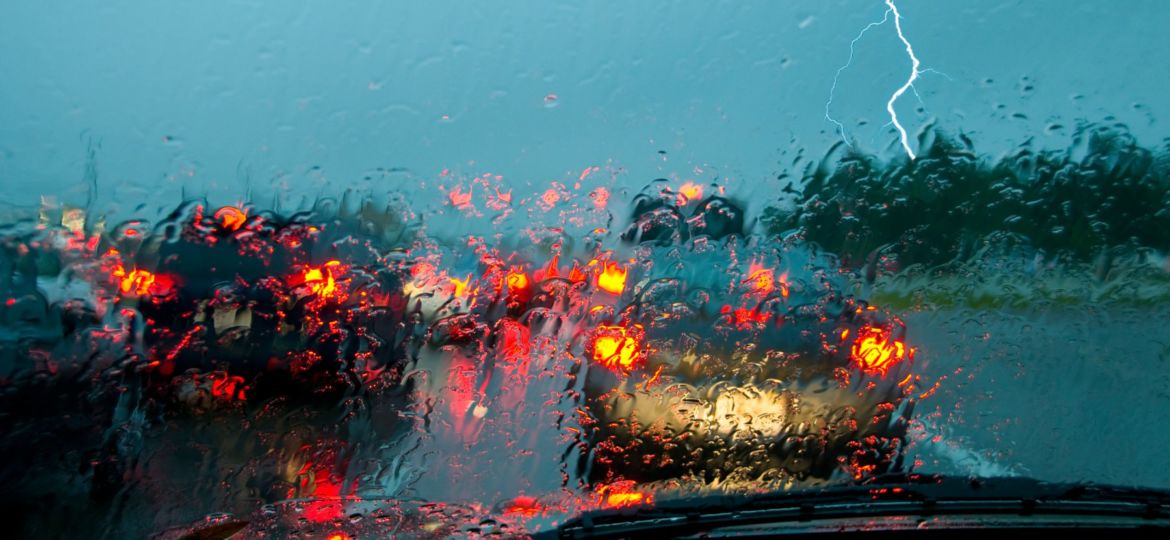
Visibility in winter can be limited by fog or heavy rain. Always turn on your front and rear lights. When visibility drops below 50 meters, use fog lights to improve your view and help prevent accidents.
3. Check Tire and Brake Conditions
Good tires ensure better grip on slippery roads. Make sure your tire tread depth is at least 3 mm and check tire pressure regularly. It’s also recommended to inspect your braking system to guarantee optimal performance, especially for sudden stops.
4. Clean Windows and Headlights for Better Visibility
Ensure your windshield and mirrors are completely clean for clear vision. Use wipers regularly and keep your windshield washer fluid topped up. Also, clean your headlights and taillights to ensure maximum illumination on the road.
5. Avoid Rushing When Overtaking Other Vehicles
Overtaking in winter weather can be dangerous, as your car may lose balance easily on wet surfaces. If you must overtake, do so with extreme caution and only when you have clear visibility and the road ahead is free of oncoming traffic.
6. Drive Calmly in Foggy Conditions
When driving in fog, don’t rely solely on your car’s systems like collision sensors. Use your driving skills and proceed with caution. Avoid making sudden lane changes and stay alert to changes in the road.
7. Stop Immediately If You Feel Fatigued
Driving while tired in winter is especially dangerous, as foggy and rainy weather requires extra focus. If you feel fatigued, pull over safely and rest before continuing your journey.
Frequently Asked Questions About Winter Driving
What is the recommended speed when driving in the rain?
It’s best to reduce your speed by 20-30% from your usual pace to avoid skidding.
Can I use high beams in fog?
No, high beams can reflect off the fog and worsen visibility. It’s better to use fog lights.
How can I ensure my tires are suitable for winter?
Your tire tread depth should be at least 3 mm, and the air pressure should be set according to specifications.
Does cold weather affect battery performance?
Yes, low temperatures decrease battery efficiency, so it’s advisable to check your battery regularly.