

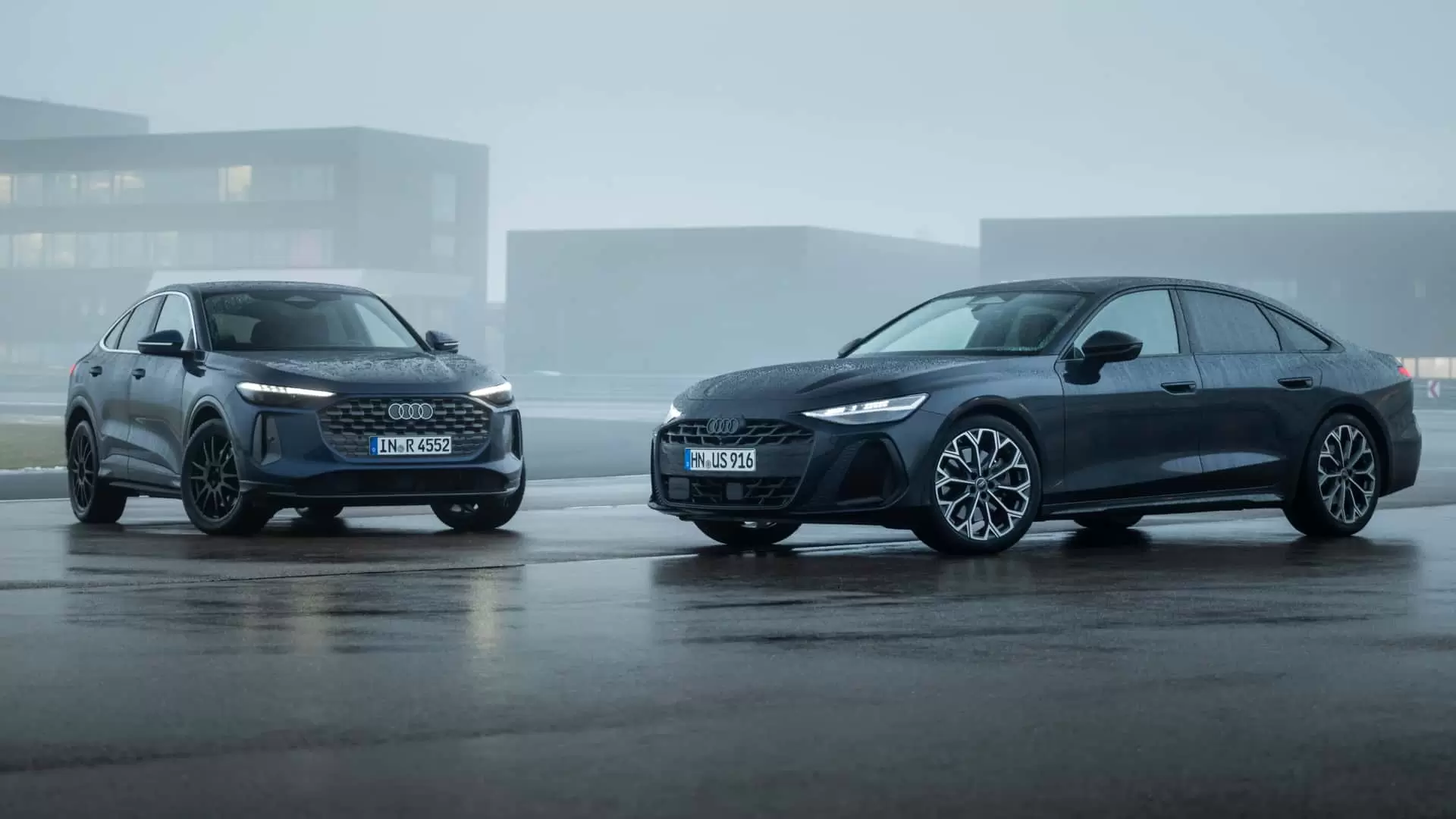
Just when it looked like the diesel engine had been quietly shuffled out of the back door to make way for a silent fleet of EVs, Audi has decided to give it one last, high-tech hurrah.
In a move that seems almost counter-cultural in 2025, Ingolstadt has pulled the covers off a revised 3.0-litre V6 TDI engine. And the headline claim is a big one: they reckon it suffers from "zero turbo lag."
While diesel sales have plummeted across Europe, slipping behind plug-in hybrids for the first time, Audi clearly believes there is still life in the old dog.
The "Zero Lag" Secret
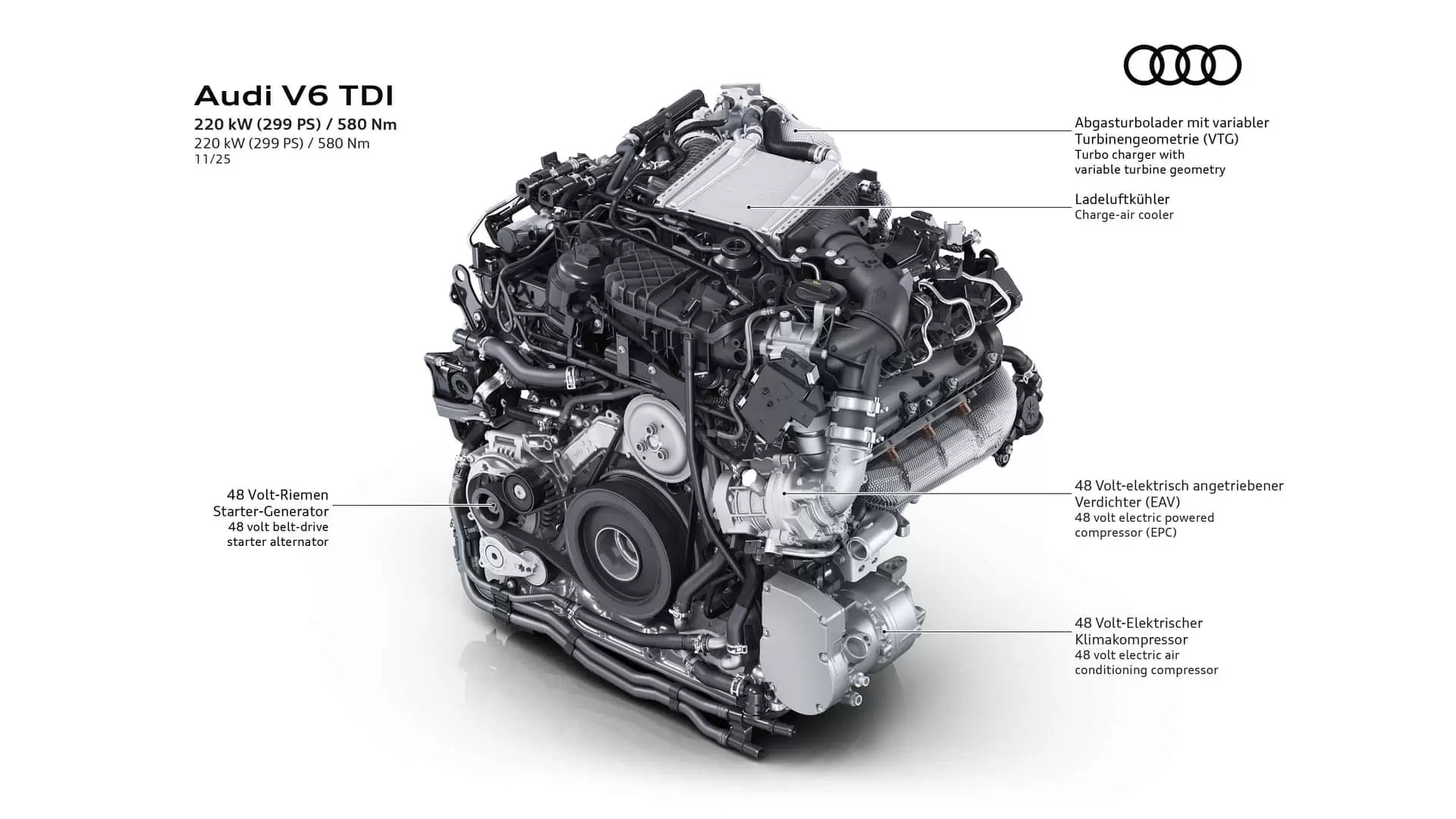
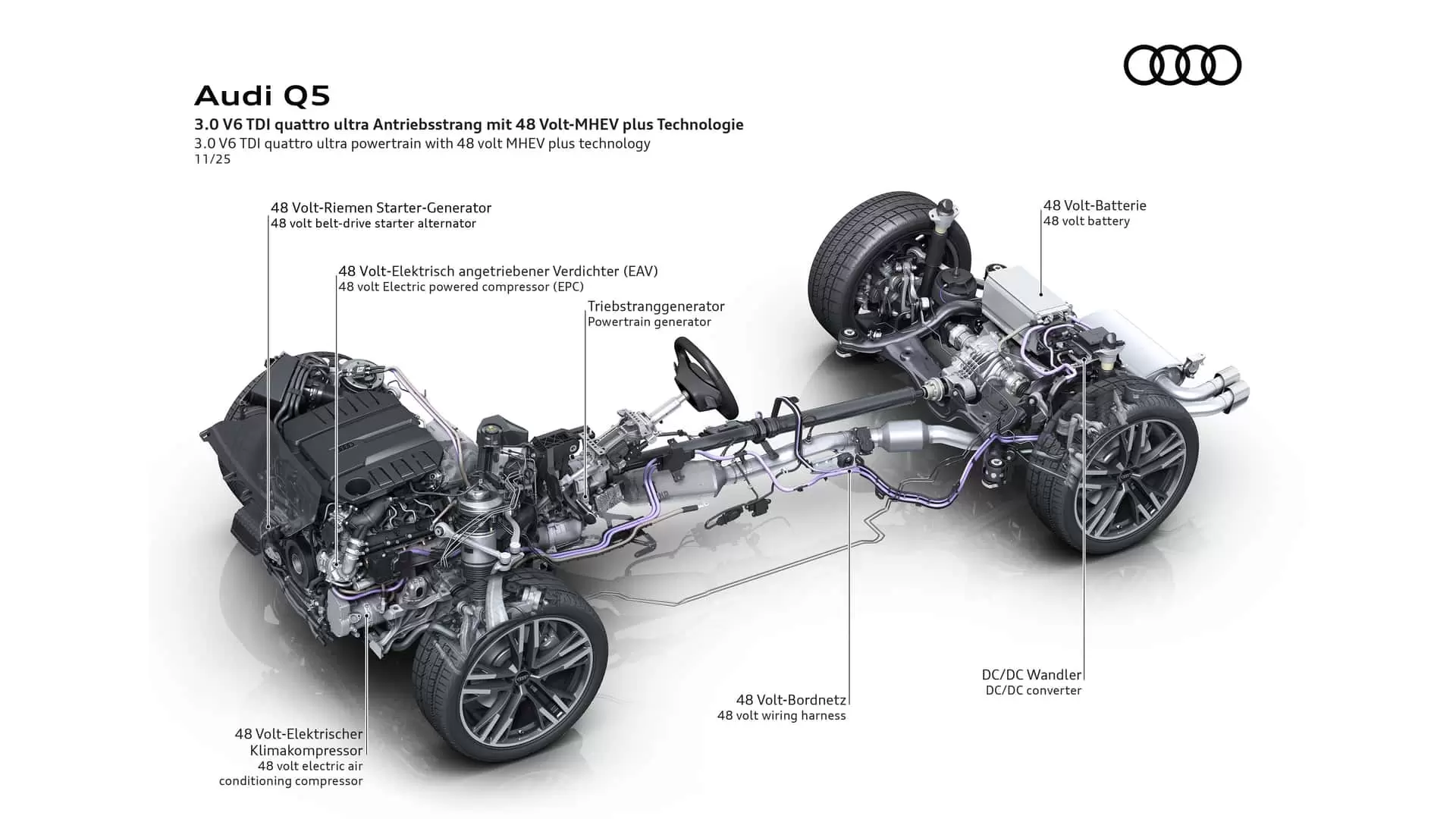
The magic behind this claim lies in complexity. This isn't just a simple turbodiesel lump; it is a mild-hybrid science experiment. The new engine, codenamed EA897evo4, pairs a traditional exhaust-driven turbocharger with a 48-volt electrically powered compressor (EPC).
Usually, when you stomp on the throttle at low revs, there is a pause. You wait while the exhaust gases build up enough pressure to spin the turbine. That is the lag.
In this new system, Audi has kinda cheated physics. When the exhaust pressure is low, the electric compressor wakes up instantly. It spins its wheel to 90,000 rpm in just 250 milliseconds. It effectively force-feeds air into the combustion chamber before the main turbo has even realised you want to go fast.
The result, according to Audi, is immediate shove. They claim the throttle response is now comparable to an electric car, which is a bold statement.
The Numbers Game
So, what does all this complex plumbing actually deliver on the road? The figures are properly potent for a standard production diesel.
- Power: 295 bhp (220 kW)
- Torque: 428 lb-ft (580 Nm) available from just 1,500 rpm
- Boost: Reaches maximum pressure (3.6 bar) nearly a full second faster than the old engine.
To help things along, the 48-volt mild-hybrid system can chip in a temporary boost of 24 bhp and 170 lb-ft of torque when pulling away. It is enough to make a heavy SUV move with alarming pace.
Runs on Vegetable oil... sort of
Of course, you can't launch a new diesel today without addressing the elephant in the room: emissions. Audi knows this, which is why the engine has been optimized to run on Hydrotreated Vegetable Oil (HVO).
HVO is a renewable fuel made from waste materials like used cooking oil and agricultural by-products. Audi says that if you run the car on HVO, CO2 emissions can drop by up to 95% compared to standard fossil diesel. It is a clever move. By making the engine compatible with sustainable fuels, Audi keeps the TDI relevant for high-mileage drivers who aren't ready to spend their lives tethered to a charging cable.
Where Will We See It?
Don't expect this engine to appear in the smaller cars. It is destined for the heavy hitters of the range. It is debuting in the A6 and Q5.
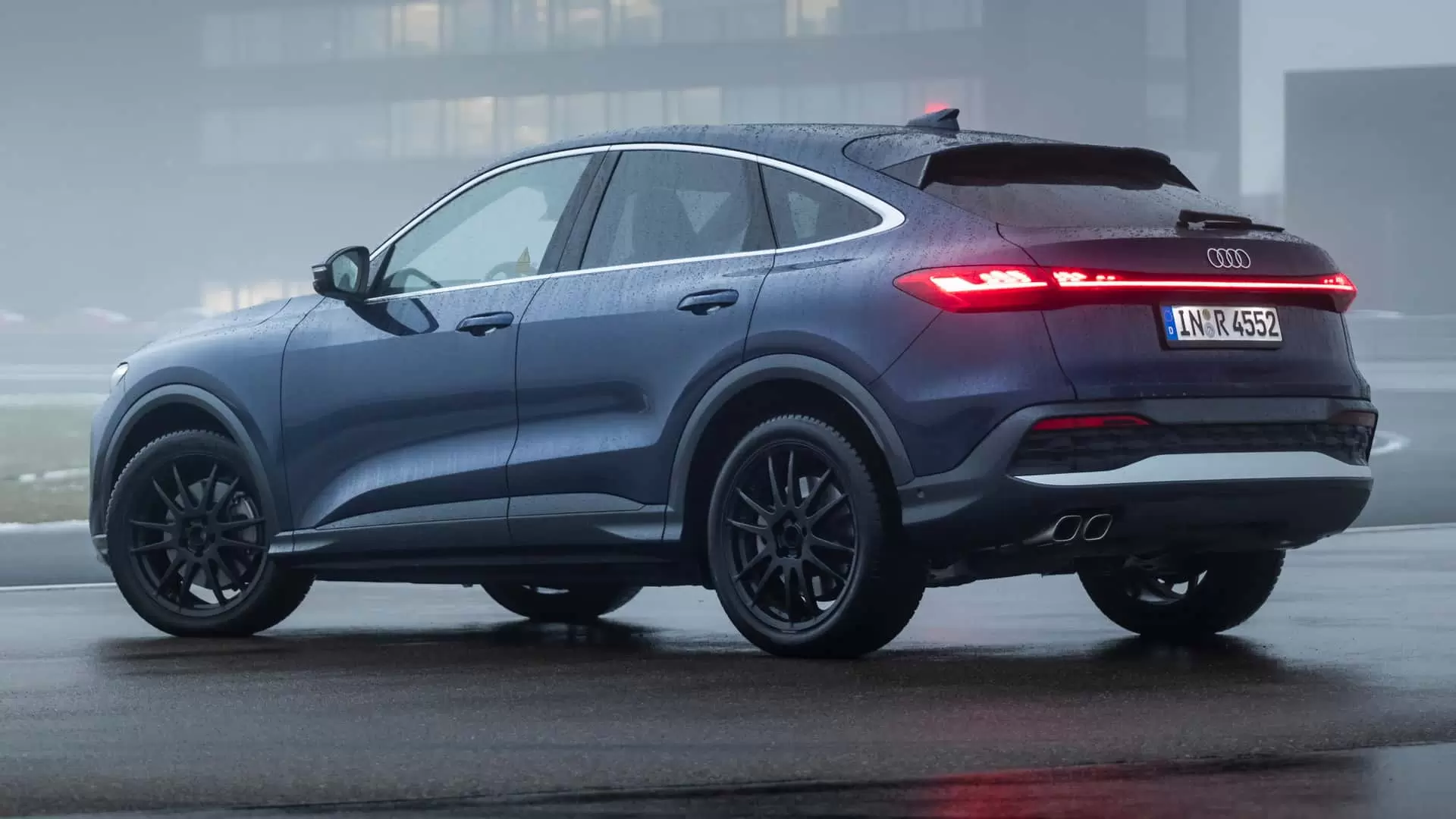
Interestingly, the stylish A7 Sportback isn't expected to get a direct successor, so this V6 might be reserved strictly for the saloons, estates, and SUVs that still dominate the fast lane of the motorway.
FAQs
Is this a brand new engine design? Not from scratch, no. The internal codename is "EA897evo4," which admits it is an evolution. It is a heavily updated version of the V6 diesel architecture the VW Group has been using since 2010. However, the addition of the electric compressor makes it significantly more responsive than the older units.
What is HVO fuel? HVO stands for Hydrotreated Vegetable Oil. It is a synthetic diesel made from renewable waste. It burns much cleaner than standard diesel but works in the same engine without needing any mechanical modifications.
Does "zero lag" actually exist? "Zero" is a bit of marketing gloss, but technically, the electric compressor fills the torque gap that usually exists at low revs. In the real world, there will still be the tiny delay of the gearbox kicking down, but the engine itself should provide instant torque the moment the throttle is pressed.
Why is Audi still investing in diesel? Because the market still demands it. For fleet operators and drivers who cover 30,000 miles a year, diesel remains the most efficient tool for the job. This update keeps the technology legal and viable for a few more years before the inevitable switch to full electric.
Will this engine be available in the US? It is unlikely. Audi has largely pulled diesel from the North American market following the emissions scandals of the past decade. This powertrain is primarily targeted at Europe and other markets where diesel remains popular for towing and long-distance driving.