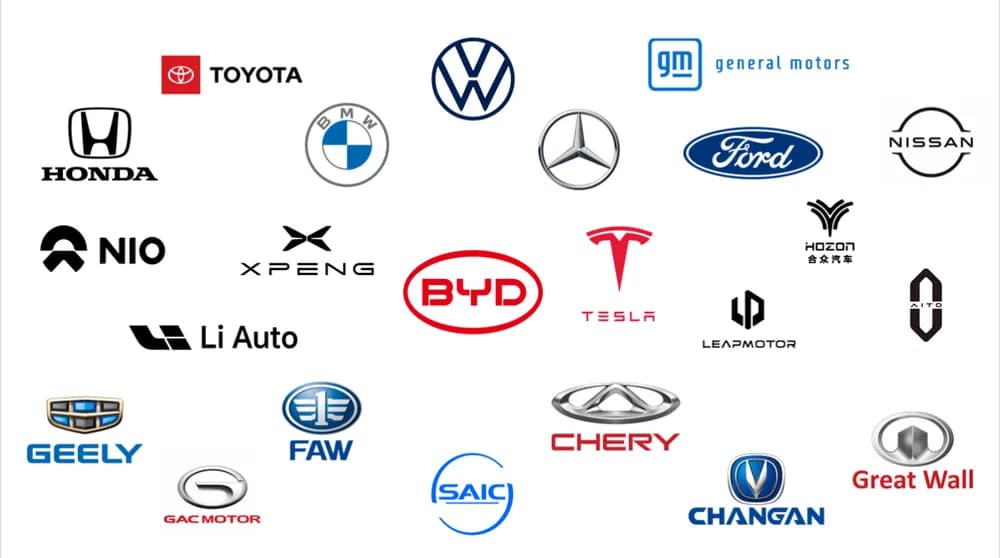
The GCC automotive market has witnessed a dramatic transformation over the past five years, with Chinese car brands emerging as serious competitors to established Japanese, Korean, and European manufacturers. From the showrooms of Dubai to the highways of Riyadh, names like BYD, Chery, and Geely are becoming increasingly familiar to Gulf buyers. But who are these manufacturers? Where do they come from? And are they truly established, reliable brands or newcomers trying to gain quick market share?
This comprehensive guide answers the fundamental question every potential buyer asks: "Is this a real brand? How established is it?" Understanding the origins, parent companies, and global standing of Chinese automotive brands helps buyers make informed decisions and builds confidence in their vehicle choices. Let's explore the major players reshaping the GCC automotive landscape.
Which Chinese Car Brands Are Available in the GCC?
The UAE and Saudi Arabia currently host more than fifteen Chinese automotive brands, each with distinct characteristics, market positioning, and heritage. This diversity offers buyers extensive choice across all price points and vehicle segments, from affordable compact cars to premium electric SUVs.
The rapid expansion of Chinese brands in the Gulf region reflects both manufacturer ambition and genuine product competitiveness. These aren't temporary market entrants testing the waters—many have established local assembly facilities, comprehensive dealer networks, and long-term investment commitments that signal permanent market presence.
BYD: The Electric Vehicle Giant
BYD (Build Your Dreams) stands as the world's largest electric vehicle manufacturer, surpassing even Tesla in global EV sales. Founded in 1995 in Shenzhen, China, BYD began as a battery manufacturer before expanding into automotive production in 2003. This battery heritage provides BYD with unique advantages in the electric vehicle era.
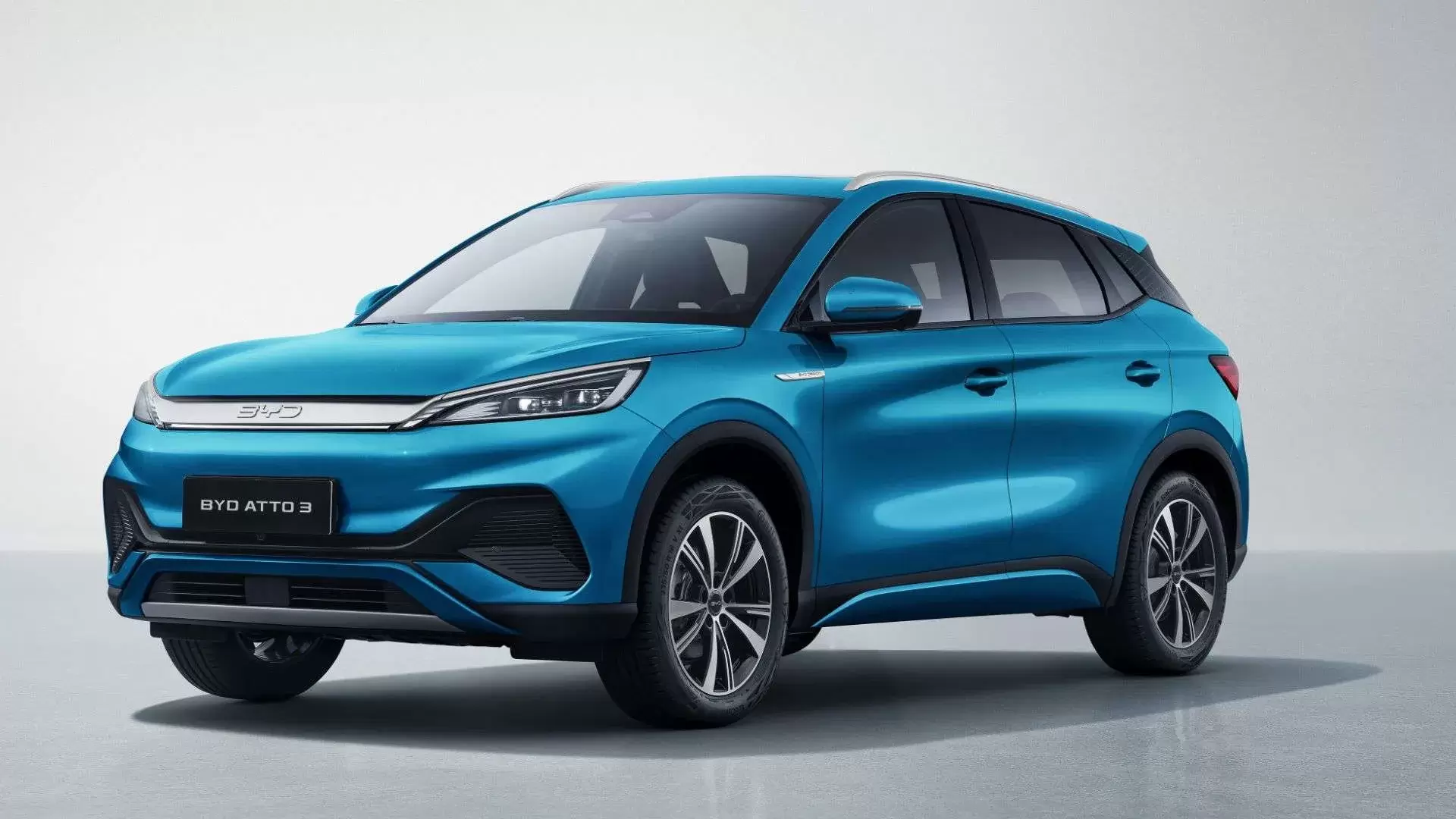
The company operates as a vertically integrated manufacturer, producing its own batteries, semiconductors, electric motors, and even seats. This comprehensive supply chain control enables BYD to offer competitive pricing while maintaining quality standards. The proprietary Blade Battery technology represents a breakthrough in EV safety, utilizing lithium iron phosphate chemistry that virtually eliminates thermal runaway risks—particularly important in the GCC's extreme heat.
BYD's global footprint extends to over 70 countries across six continents. The company supplies electric buses to major cities worldwide, including London, Los Angeles, and Sydney, demonstrating its commercial vehicle expertise. In the GCC, BYD offers the popular Atto 3 electric SUV, the Seal performance sedan, and the Dolphin compact EV, all backed by comprehensive six-year warranties.
Is BYD established? Absolutely. As a publicly traded company on both Hong Kong and Shenzhen stock exchanges with a market capitalization exceeding $80 billion, BYD ranks among the world's most valuable automotive manufacturers. The company employs over 600,000 people globally and generated revenues exceeding $80 billion in 2023.
Chery: China's International Pioneer
Chery Automobile represents one of China's oldest and most internationally experienced automakers. Founded in 1997 in Wuhu, Anhui Province, Chery has accumulated over 25 years of manufacturing experience and exports vehicles to more than 80 countries across South America, Middle East, Africa, and Eastern Europe.
The brand has invested heavily in the Middle East market, establishing local assembly facilities and comprehensive parts distribution networks throughout the GCC. Chery's commitment extends beyond vehicle sales to genuine long-term market development, evidenced by partnership agreements with local distributors spanning decades rather than years.
Chery's Tiggo series of SUVs has gained particular traction among GCC families. The Tiggo 8 Pro offers genuine seven-seat capacity, modern technology features, and competitive pricing that undercuts Japanese competitors by AED 20,000-30,000. The Tiggo 7 and Tiggo 4 Pro round out the lineup, providing options across different size and price segments.
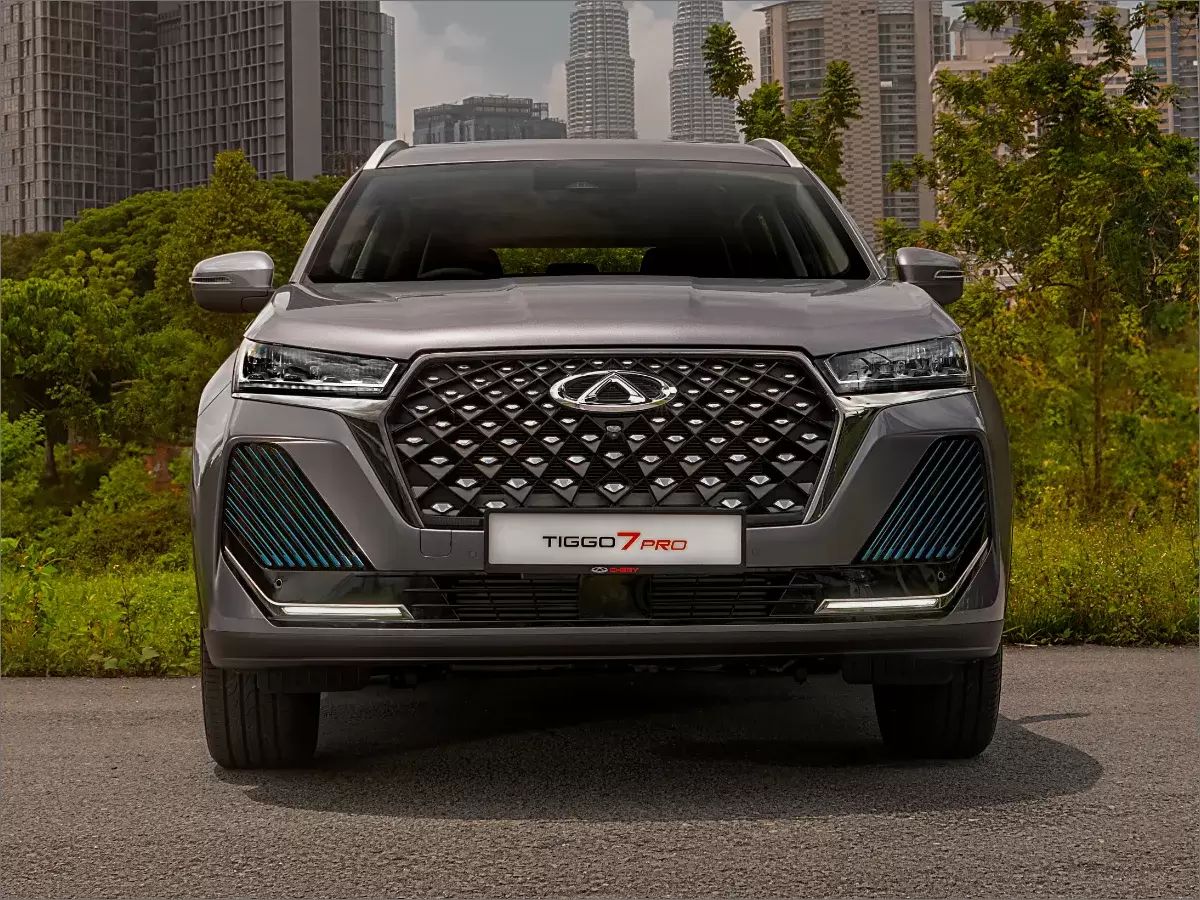
International credibility comes from Chery's joint venture partnerships with Jaguar Land Rover, where the two companies collaborate on engine development and manufacturing in China. This relationship demonstrates Chery's engineering capabilities and commitment to international quality standards. The company also partners with Stellantis (owner of Jeep, Peugeot, and Fiat) on various projects.
Chery operates as a state-owned enterprise under the Wuhu municipal government, providing financial stability and long-term strategic vision. The company ranks among China's top automotive exporters, shipping over 900,000 vehicles internationally in 2023 alone.
Geely: The Premium Technology Brand
Geely owns several international automotive brands including Volvo, Lotus, Polestar, and holds significant stakes in Mercedes-Benz and Aston Martin. This makes Geely one of the world's most diversified automotive groups, bringing sophisticated engineering expertise to its own-brand vehicles.
Founded in 1986 by entrepreneur Li Shufu, Geely began in refrigerator manufacturing before entering automotive production in 1997. The company's transformation into a global automotive powerhouse accelerated with the 2010 acquisition of Volvo from Ford Motor Company. This purchase wasn't just financial—it enabled extensive technology transfer and platform sharing between Geely and Volvo.
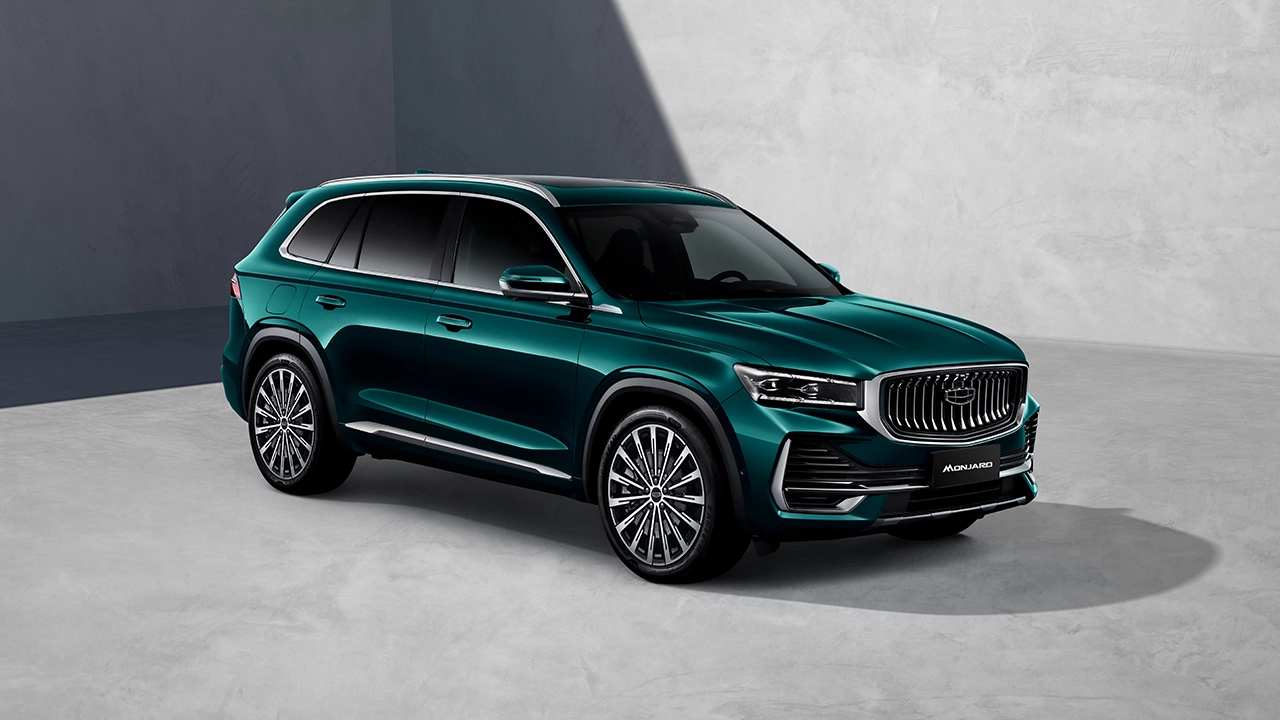
Modern Geely vehicles incorporate safety systems and platform architectures developed for premium European markets. The Coolray compact SUV and Azkarra (also known as Xingyue) utilize technology descended from Volvo's award-winning platforms. Advanced driver assistance systems, sophisticated chassis dynamics, and premium interior materials reflect this European influence.
Geely's corporate structure demonstrates impressive sophistication. The company operates multiple brand identities targeting different market segments: Geely for mainstream buyers, Lynk & Co for younger premium customers, and Zeekr for luxury electric vehicles. This multi-brand strategy mirrors approaches used by Volkswagen Group and General Motors.
In the GCC market, Geely positions itself as a technology-forward brand offering premium features at mainstream prices. The brand emphasizes its Volvo connections without explicitly stating shared components, allowing buyers to infer quality associations while maintaining distinct brand identities.
MG Motor: British Heritage, Chinese Efficiency
MG Motor carries unique positioning in the Chinese brand landscape—British heritage dating to 1924 combined with modern Chinese manufacturing efficiency and investment. The iconic octagonal MG badge originally stood for Morris Garages, referencing the brand's origins as a modified sports car builder in Oxford, England.
After various ownership changes through the 20th century, MG landed under Chinese ownership in 2007 when SAIC Motor Corporation purchased the brand from the collapsed MG Rover Group. SAIC, China's largest automotive manufacturer, has successfully revitalized MG while respecting its European heritage. Modern MG vehicles maintain design languages reminiscent of European styling while incorporating Chinese manufacturing efficiency and technology.
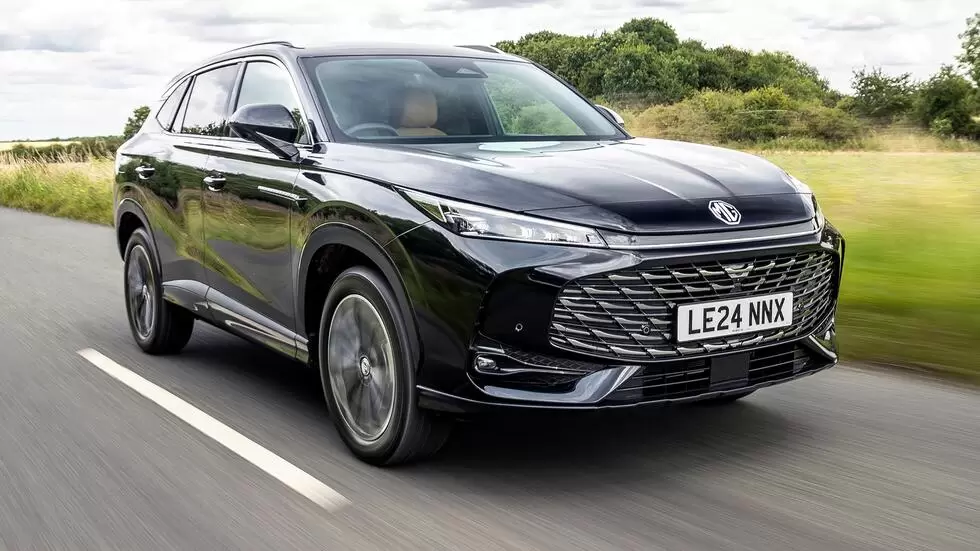
The MG HS and ZS models have become genuine bestsellers across the GCC, with the ZS ranking among the region's top-selling compact SUVs. This success stems from familiar styling that doesn't scream "Chinese car," combined with competitive pricing and comprehensive equipment levels.
MG benefits from longer GCC market presence than newer Chinese entrants, having established dealerships and service networks over the past decade. This extended presence translates into better brand awareness, stronger resale values, and greater buyer confidence compared to brands that entered the market more recently.
SAIC's corporate strength provides MG with resources for long-term development. As a Fortune Global 500 company with annual revenues exceeding $120 billion, SAIC ranks among the world's largest automotive manufacturers. This financial backing ensures MG's continued investment in new models, technology development, and market expansion.
Other Significant Chinese Brands in the GCC
GAC Motor: The Premium Contender
GAC Motor (Guangzhou Automobile Group) represents China's push into premium segments. Known for sophisticated GS-series SUVs, GAC emphasizes design quality, interior refinement, and advanced technology. The brand positions itself above mainstream Chinese competitors, targeting buyers considering entry-level European brands.
Changan: Military Heritage, Civilian Success
Changan Automobile traces its origins to 1862 as a military equipment manufacturer, making it one of China's oldest industrial enterprises. This military heritage translated into automotive production in 1984. Today, Changan ranks among China's Big Four domestic automakers, known for reliable, value-focused vehicles. The brand offers various SUVs and sedans in the GCC, emphasizing durability and straightforward functionality.
Haval: The SUV Specialist
Haval operates as the SUV-focused brand under Great Wall Motors, China's largest SUV manufacturer. The brand specializes exclusively in sport utility vehicles, offering everything from compact urban crossovers to large, off-road-capable models. The Haval H6 ranks as one of China's best-selling vehicles domestically, while the Dargo and Jolion target GCC buyers seeking adventure-capable SUVs.
Jetour: Adventure and Lifestyle Focus
Jetour, another Great Wall Motors subsidiary, targets the adventure and lifestyle segment. The brand emphasizes family-friendly features, outdoor capability, and value pricing. Models like the X70 Plus offer seven-seat capacity, modern technology, and competitive pricing aimed at young families and active lifestyle buyers.
Understanding Corporate Relationships and Their Impact
Understanding the corporate structures and relationships behind Chinese automotive brands provides valuable context for buyers. These connections directly impact ownership experience, warranty fulfillment, parts availability, and long-term vehicle support.
Geely's ownership of Volvo means shared safety technology, engineering standards, and manufacturing processes. Buyers benefit from technology developed for premium European markets at mainstream Chinese prices. Similarly, BYD's vertical integration ensures parts availability and service consistency—the company controls its entire supply chain, reducing dependency on external suppliers.
Joint ventures with international manufacturers validate Chinese engineering capabilities. Chery's partnerships with Jaguar Land Rover and Stellantis demonstrate the brand's technical competence. These relationships involve genuine technology sharing and collaborative development rather than simple licensing agreements.
State ownership, common among Chinese automotive manufacturers, provides both advantages and considerations. State-backed companies enjoy financial stability and long-term strategic vision unconstrained by quarterly profit pressures. However, this also means government policy significantly influences corporate direction and international expansion strategies.
Global Standing and Market Presence
Chinese automotive brands have evolved from regional players to genuine global competitors. BYD's dominance in global EV sales demonstrates Chinese manufacturers can lead in cutting-edge technology, not just compete on price. Geely's ownership of premium European brands positions it among the world's most sophisticated automotive groups.
International market success provides validation beyond marketing claims. Chinese brands selling vehicles in Europe, Australia, and South America face stringent safety regulations, demanding emission standards, and discerning customers. Success in these markets demonstrates genuine product competitiveness rather than reliance on protected home market advantages.
The GCC market represents a strategic priority for Chinese manufacturers. The region's purchasing power, growth potential, and openness to new brands make it an ideal proving ground for international expansion. Manufacturers view GCC success as a springboard to broader Middle Eastern and African markets.
What This Means for GCC Buyers
The presence of established, financially stable Chinese manufacturers in the GCC market reduces purchase risk for buyers. These aren't unknown startups but major corporations with decades of experience, global operations, and long-term commitments to the region.
Brand establishment translates into practical benefits: comprehensive dealer networks, readily available spare parts, trained service technicians, and warranty fulfillment infrastructure. The major Chinese brands operating in the UAE and Saudi Arabia have invested in permanent market presence rather than short-term sales opportunities.
Understanding brand origins and corporate relationships helps buyers make informed decisions aligned with their priorities. Those valuing cutting-edge EV technology might gravitate toward BYD. Families seeking proven international experience might prefer Chery. Buyers wanting European-influenced design and engineering might choose Geely or MG.
The diversity of Chinese brands ensures options across all buyer segments and price points. From budget-conscious first-time buyers to technology enthusiasts seeking the latest innovations, Chinese manufacturers offer compelling alternatives to established competitors from Japan, Korea, and Europe.