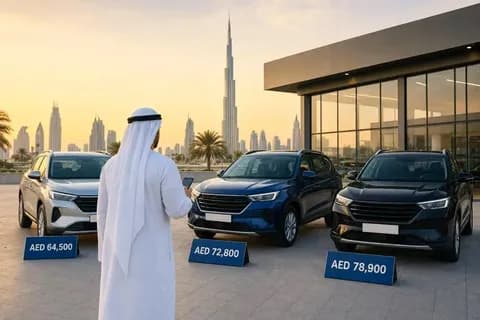
Resale value remains the most significant financial uncertainty surrounding Chinese vehicles in the GCC market. While these cars offer impressive initial value and lower ownership costs, their depreciation patterns and used car market acceptance continue developing as the segment matures. This guide provides honest assessment of Chinese car resale performance in UAE and Saudi Arabia.
Current Depreciation Trends
Chinese vehicles generally depreciate faster than established Japanese brands during their first three years, losing approximately 45-50% of original value compared to 35-40% for equivalent Toyota or Honda models. This accelerated depreciation reflects brand establishment challenges and limited used car demand from conservative buyers.
However, depreciation patterns show significant variation by brand and model. MG vehicles, benefiting from European heritage and longer GCC presence, retain value more effectively. The used MG HS maintains approximately 55-60% of original value after three years, approaching mainstream Japanese depreciation rates.
Brand Performance Comparison
Best Resale (Chinese Brands):
- MG: 55-60% value retention after 3 years
- BYD EVs: 50-55% (strong EV demand)
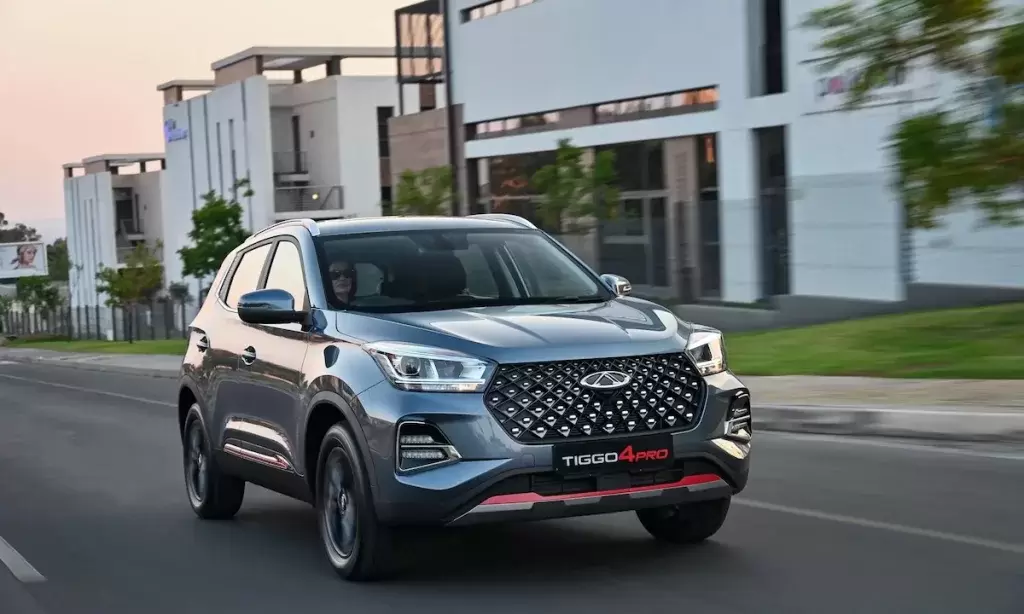
- Chery Tiggo 8: 48-52% (high volume model)
Average Resale:
- Geely models: 45-50%
- GAC models: 43-48%
- Newer Chinese brands: 40-45%
Popular models with strong sales volumes establish better resale markets than slow-selling variants. The Chery Tiggo 8, one of the best-selling Chinese SUVs, maintains healthier resale values than less common Chery models due to buyer familiarity and parts availability confidence.
Factors Improving Future Resale Prospects
Several positive trends suggest improving resale performance for Chinese vehicles over coming years:
Growing Market Acceptance
Market acceptance grows as initial buyers complete ownership cycles and share positive experiences. Friends, family, and colleagues seeing reliable Chinese car performance reduces uncertainty for subsequent buyers. Online communities and social media amplify positive experiences, building confidence.
Certified Pre-Owned Programs
The expansion of certified pre-owned programs from Chinese manufacturers provides warranty coverage and quality assurance for used buyers. These programs address reliability concerns that suppress values, offering peace of mind similar to buying new vehicles.
Price Gap Advantages
Increasing new car prices across all segments enhance used Chinese car appeal. As Japanese SUVs push toward AED 120,000-150,000 when new, three-year-old Chinese alternatives priced at AED 50,000-60,000 present compelling value propositions. This price gap creates natural demand supporting resale values.
Network Effects
The growing Chinese car population establishes beneficial network effects. Independent service providers develop expertise, reducing maintenance cost concerns. Parts availability improves through both official and aftermarket channels. Buyer familiarity increases through market presence and recommendations.
Electric Vehicle Resale Considerations
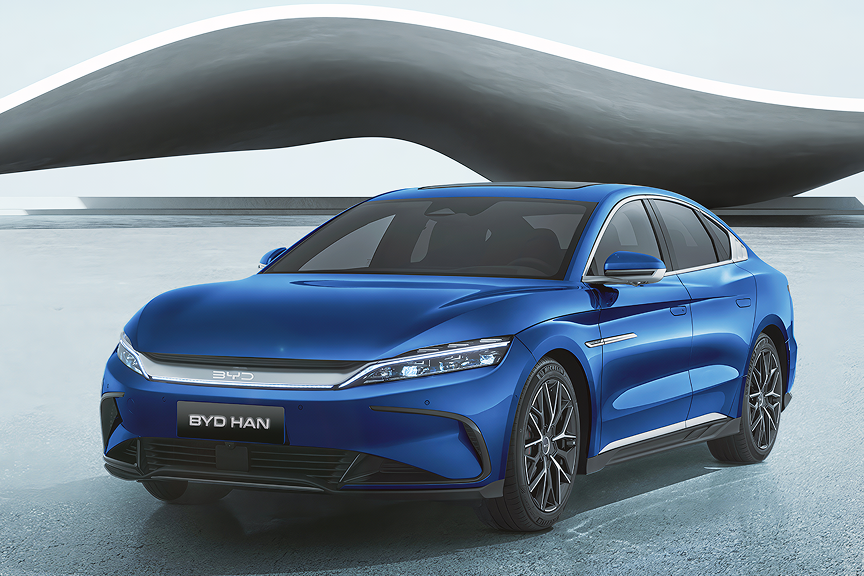
Electric vehicle resale presents unique factors affecting Chinese EVs. Battery technology advancement creates concern that older EVs become obsolete as newer models offer superior range and charging speed.
However, BYD's Blade Battery demonstrates minimal degradation over time, with owners reporting less than 5% capacity loss after 100,000 kilometers. This durability supports stronger residual values than EVs using older battery technologies.
Policy Advantages
Government incentives and potential internal combustion engine restrictions in some GCC cities may enhance EV resale values over time. As emissions regulations tighten and urban access restrictions potentially emerge, electric vehicles gain regulatory advantages translating into market premiums.
Realistic Resale Expectations
Buyers should approach Chinese car purchases with realistic resale expectations:
Plan for Higher Depreciation
Expect 45-50% depreciation versus 35-40% for Japanese brands during first 3-5 years. However, factor in initial purchase price advantage when calculating total financial impact. A Chinese SUV purchased for AED 80,000 that depreciates to AED 40,000 delivers same net cost as Japanese SUV purchased for AED 100,000 retaining AED 60,000.
Extended Ownership Maximizes Value
Consider extended ownership periods to maximize value extraction. Chinese vehicles reward long-term ownership through extended warranties and lower operating costs. Owners planning 5+ years face minimal resale risk while maximizing initial price advantages.
Model Selection Matters
Choose high-volume popular models for better resale. The Chery Tiggo 8 Pro, MG HS, and BYD Atto 3 establish better used car markets than rare variants. Mainstream colors (white, silver, black) also resell easier in GCC markets.
Resale Value Improvement Timeline
Based on Korean brand experience during their establishment phase, Chinese car resale values should improve following this pattern:
2025-2026: Current state - 45-50% depreciation, improving awareness
2027-2028: Market maturity - 40-45% depreciation as acceptance grows
2029-2030: Normalization - 38-43% depreciation approaching Korean levels
2031+: Established status - 35-40% depreciation competitive with Japanese brands
Early adopters accepting current depreciation realities benefit from lower purchase prices while later buyers inherit better resale performance as market matures.
Strategies to Maximize Resale Value
Maintenance Records: Keep comprehensive service records from authorized dealers. Documentation proves proper maintenance attracting serious buyers.
Popular Specifications: Choose mainstream trim levels and colors. Rare colors or configurations limit buyer pools reducing prices.
Extended Warranties: Transferable warranties add value. Buyers pay premiums for vehicles with remaining manufacturer coverage.
Cosmetic Condition: Maintain exterior and interior condition. Small investments in paint correction and interior cleaning yield disproportionate returns.
Timing: Sell before warranty expiration. Vehicles lose value significantly when comprehensive coverage ends.
What This Means for Buyers
The used Chinese car market in GCC remains young and evolving. Early indications suggest improving trends as market maturity increases and positive ownership experiences accumulate. Buyers accepting current depreciation realities gain access to impressive new vehicles at accessible prices.
Those prioritizing resale value may prefer waiting for further market development or choosing established brands despite higher initial costs. However, total cost analysis often favors Chinese vehicles even accounting for depreciation differences when initial savings and operating cost advantages are considered.
The question isn't whether Chinese cars will eventually achieve Japanese-level resale values—they will, as Korean brands did before them. The question is whether buyers value immediate access to modern features and technology enough to accept current depreciation patterns. For many GCC buyers, especially those planning extended ownership, the answer is yes.