


Buying a used car in the UAE? Smart choice, but here’s the key: negotiation can save you thousands of dirhams. Cars in the UAE lose 20–30% of their value in the first year, and another 15–20% annually after that. With a high-turnover market and diverse options, knowing how to negotiate is essential. Here’s a quick guide:
-
Research Market Prices: Use platforms like YallaMotor to check real-time values and set a clear price range (target, realistic, maximum).
-
Inspect Thoroughly: Look for issues like worn tyres, scratches, or missed maintenance. Quantify repair costs to strengthen your bargaining power.
-
Understand the Seller: Private sellers and dealerships have different motivations; spotting urgency can help you negotiate better.
-
Use Negotiation Techniques: Start low, back your offer with data, and be ready to walk away. If price is firm, ask for extras like free servicing or warranties.
-
Follow UAE Regulations: Verify documents, complete the RTA transfer, and ensure all payments are secure.

5-Step Process to Negotiate Used Car Prices in UAE
Don't Buy a USED CAR Until You WATCH THIS | How to Negotiate
1. Research Used Car Prices in the UAE Market
Understanding a car's actual value is crucial before entering negotiations. Walking in unprepared can lead to overpaying. The UAE's used car market is dynamic, with prices varying based on factors that may not be immediately obvious. Your mission? Pin down a realistic price range in AED to approach negotiations with confidence.
1.1 Use Online Pricing Tools
Platforms like YallaMotor offer valuation tools that provide a solid starting point. These tools analyse real-time market data, historical sales trends, and thousands of transactions to estimate prices based on the car's make, model, year, and trim. For example, a 2020 Toyota Camry SE will likely be priced differently from a 2020 Camry Limited, even if their mileage is similar. Input details like the car's features, condition, and whether it’s GCC-spec to refine your estimate. To get a clearer picture, compare multiple listings of the same model and look for pricing patterns while noting any outliers.
1.2 Know What Affects the Price
Two cars might look identical on paper but carry vastly different price tags. Factors like GCC-spec status can significantly influence value. A car with a full service history from an authorised dealer often fetches a higher price than one with patchy maintenance records. Age is another key factor - depreciation hits hardest in the early years and continues to impact resale value over time. High mileage usually signals more wear and tear on mechanical components, reducing the car's value. Visible flaws, such as dents, scratches, or mechanical issues, also justify a lower price.
1.3 Set Your Price Range
After gathering all the necessary data, define three price points in AED: your target price (the best deal you aim for), your realistic price (a fair market value), and your maximum price (the absolute ceiling you won’t exceed). For instance, if similar models are priced between AED 45,000–52,000, you might target AED 43,000, consider AED 47,000 reasonable, and set AED 50,000 as your upper limit. Don’t forget to include additional expenses like RTA registration fees, insurance, and any immediate repairs the car might need. Having this range in mind keeps you focused and prevents overspending during negotiations. This preparation lays the groundwork for a successful purchase and gives you a clear strategy before inspecting the car for specific points to negotiate.
2. Inspect the Car and Find Negotiation Points
Inspecting a car thoroughly is essential to understanding its actual condition and identifying areas that can justify negotiating a lower price. Every scratch, worn-out part, or missed maintenance can be quantified in AED to strengthen your bargaining position.
2.1 Check the Car's Condition and History
Begin by checking the odometer reading and comparing it to the UAE's average usage - roughly 15,000 km per year. Verify this against RTA vehicle history reports to ensure there hasn't been any tampering. Request comprehensive service records covering at least the last three years to confirm that the car has been maintained on schedule by authorised dealers.
During your inspection, pay close attention to key areas:
-
Tyres: Check the tread depth and age. Tyres older than four years should be replaced.
-
Brakes and AC: Test the brakes and run the air conditioning on full to ensure they’re functioning properly.
-
Bodywork: Look for dents, scratches, or signs of repainting that might indicate past accidents.
-
Engine and Transmission: Listen for any unusual noises during a test drive. Check for dark brown stains on the engine block or rust, which could indicate issues with the radiator, heater core, or water pump.
Use the findings from your inspection to estimate repair costs and support your negotiation efforts.
2.2 Estimate Repair Costs
Quantify any problems you uncover. For example, replacing worn tyres could cost you several hundred dirhams, while recalibrating non-functioning ADAS features might set you back around AED 1,200. Air filters, such as the MANN-FILTER C 3698/3-2, cost approximately AED 320, and professional interior cleaning typically runs about AED 450. On the other hand, a clean and well-maintained interior can increase the resale value of luxury cars by as much as AED 3,000. Adding up these potential expenses gives you a solid basis to negotiate a better deal.
"If you find any flaw in the vehicle or any problem associated with it, use that in bargaining. For example, worn-out tyres or minor damage to the body can be translated to purchase price discounting as a repair cost." - Exposed Magazine
2.3 Get a Professional Inspection Report
For an unbiased and detailed evaluation, consider getting a professional inspection report. These reports, which typically cost between AED 250 and AED 350, provide a comprehensive analysis of the car’s engine, transmission, accident history, bodywork, and critical components like tyres and brakes. Services such as YallaMotor’s inspections even confirm whether the vehicle meets GCC specifications and is likely to pass the RTA inspection.
A professional report not only highlights any hidden issues but also helps you negotiate with confidence. Use the findings to request price reductions, free repairs, or extras like extended warranties. By presenting clear evidence of the car's condition, you can build trust with the seller while ensuring you’re not blindsided by unexpected problems after the purchase. With these insights and repair estimates in hand, you’ll be well-equipped to secure a fair deal.
3. Understand the Seller and Market Conditions
Getting a clear picture of the seller's profile and staying informed about market trends can give you an advantage during negotiations. Sellers have different motivations, and recognising these differences allows you to adjust your approach and aim for a better deal.
3.1 Identify Different Seller Types
In the UAE, sellers generally fall into two categories: private owners and dealerships. Private owners often list their vehicles on online platforms, aiming to get the best possible return. They may not always be familiar with aggressive negotiation tactics and might list their cars with either fixed or negotiable prices. Dealerships, on the other hand, operate from showrooms and tend to offer more pricing flexibility, especially towards the end of the month when they’re working to hit sales targets.
Knowing the type of seller you’re dealing with can help you assess how much room there is for negotiation. For instance, private sellers in urgent situations - like needing fast cash - are often more open to lower offers. Understanding the seller's circumstances can give you a clearer picture of your bargaining power.
3.2 Spot Signs of Seller Urgency
Certain clues can reveal when a seller is more likely to negotiate. For example, vehicles listed for over 23 days are often more likely to see price reductions [1, 9]. Similarly, a car priced noticeably lower than comparable models on the market is often a sign of urgency. Sellers using quick-sale platforms also tend to be motivated to close deals faster [1, 9].
Dealerships, in particular, become more flexible as the month draws to a close, driven by the need to meet sales quotas. Sellers who avoid setting a fixed price are generally open to offers as well. Pay attention to how quickly a seller responds to your enquiries or if they mention time constraints - these are often opportunities to negotiate more effectively.
"The consumer is in an ideal position. In reality, if you can walk through the front door and you are still breathing, they will give you a discount. Anyone who doesn't even like negotiating will get a discount just for turning up." - Bill Carter, Chief Systems and Innovation Officer, Autodata
3.3 Consider UAE Market Trends
The UAE car market has a strong preference for dependable Japanese brands. SUVs like the Toyota Land Cruiser and Nissan Patrol are especially popular, retaining 70–80% of their value even after three years. Cars designed to handle local conditions tend to command higher prices. Similarly, sedans like the Toyota Corolla and Honda Accord hold their value well, thanks to their reputation for reliability.
Negotiation is a common practice in the UAE. Sellers are often responsive to competitive pricing, so using market data and comparable listings can give you an edge. However, if you’re interested in a high-demand SUV, don’t expect as much room for negotiation compared to less popular models. Use these market insights to refine your negotiation strategy and approach sellers with confidence.
4. Apply Negotiation Techniques for the UAE Market
Once you've completed your market research and vehicle inspection, it's time to use effective negotiation strategies to secure the best deal. In the UAE, haggling is not just common - it’s expected. However, success hinges on your approach. A calm, well-informed strategy based on data can help you reach a fair price while maintaining a respectful dialogue.
4.1 Communicate Clearly During Negotiations
Clear, respectful communication is key during negotiations. Always back up your offers with solid data. In the UAE, this approach minimises misunderstandings and ensures productive conversations. Use the car's market value, comparable listings, and depreciation rates to justify your offer. For reference, typical UAE depreciation rates are 20–30% in the first year, 15–20% in the next few years, and 10–15% thereafter.
If your inspection reveals issues like worn tyres or brake pads, mention them and explain how they affect the car's value. Quantify repair costs to shift the discussion toward the car's actual worth instead of personal opinions.
"Researching key numbers will help you steer through the negotiation with confidence by depersonalising the interaction, meaning you are relying on data rather than opinion or emotion to establish a final price." – Bill Carter, Chief Systems and Innovation Officer, Autodata
Before agreeing to any terms, ask for a full breakdown of costs. Knowing the total "out the door" price - including registration, transfer fees, and other charges - ensures there are no hidden surprises.
4.2 Follow a Step-by-Step Negotiation Process
Approach negotiations with interest, but avoid appearing overly eager. Showing too much enthusiasm can weaken your bargaining power, so keep your excitement in check. Start with an offer that’s 15–25% below your target price to leave room for negotiation.
After making your offer, use silence to your advantage. Let the seller respond first instead of rushing to fill the gap. This often encourages them to reconsider or make a counteroffer. If you need to raise your bid, do so gradually - small increments like AED 100 or AED 200 can make a big difference when negotiating a gap of AED 1,000.
Be prepared to walk away if the seller won’t meet fair terms. This tactic often signals that you’re serious and well-informed, which might prompt the seller to reconsider. If price flexibility isn’t an option, shift your focus to extras. Negotiate for perks like an extended warranty, free servicing, new tyres, or paint protection to add value to the deal even if the price remains fixed.
Once the main price is settled, formalise the agreement to secure the deal.
4.3 Handle Deposits and Agreements Safely
Before handing over any money, ensure everything is documented in writing. A clear agreement should outline the purchase price in AED, any included extras, promised repairs or maintenance, and the sale conditions. This protects both parties and helps prevent disputes later.
When finalising the purchase, obtain all necessary RTA transfer documents and make payments through secure channels, such as an escrow account with a trusted UAE bank like Emirates NBD or directly at an RTA counter. The written agreement should also include clauses like full disclosure of the vehicle’s history, a negotiable 14-day fault liability period, and confirmation that the Arabic version of the contract holds legal validity in case of discrepancies.
Lastly, verify that the seller can provide all required documents for the RTA transfer. These include the original registration card, valid insurance, and a clear ownership history. Taking these steps ensures your deposit and final payment are protected throughout the process.
5. Complete the Deal Following UAE Regulations
To wrap up your car purchase in the UAE, it’s crucial to follow the required regulations. This means verifying all documents, completing the RTA transfer process, and registering the vehicle. These steps not only protect your investment but also ensure that your car is legally roadworthy.
5.1 Verify Documents and Ownership
Before handing over any payment, double-check that the seller provides all the necessary documents as per UAE RTA requirements. The seller should have:
-
Original Vehicle Registration Card (Mulkiya): This must be valid at the time of sale.
-
Emirates ID.
-
No Loan Certificate: Issued by the RTA if the car was financed previously.
-
Transfer of Ownership Authorisation Form: This should be signed by both the buyer and seller. You can download it from the RTA website or obtain it at an RTA centre.
As a buyer, you’ll need to have the following:
-
A UAE residency visa.
-
A valid Emirates ID.
-
A copy of your passport.
-
A driving licence issued by the same emirate where you plan to register the vehicle.
-
Confirmed car insurance, as it’s mandatory for driving in the UAE.
If the vehicle still has an active loan, the seller must provide a settlement letter from their bank, confirming that the loan has been fully paid off. For company-owned vehicles, you’ll also need a copy of the Commercial Registration. Imported or modified vehicles might require TASNEEQ certification to ensure they meet UAE standards.
After confirming all documents, head to an RTA centre to proceed with the transfer.
5.2 Complete the RTA Transfer Process

Both the buyer and seller must visit an RTA centre with the required documents to finalise the transfer. During the visit, the vehicle will undergo a mandatory inspection, which checks emissions, airbags, and the chassis number.
For diesel vehicles, an extra emissions test fee of 200 AED may apply.
|
Item |
Private Transaction |
Dealer Transaction |
|---|---|---|
|
Transfer Fee |
420 AED |
650 AED |
|
Inspection Fee |
400 AED |
Included in dealer's offer |
|
Plate Retention Fee (optional) |
120 AED |
Not usually possible |
Once the car passes inspection and the fees are paid, the ownership will officially transfer to you. You’ll receive a new Vehicle Registration Card. Payments can be made securely at the RTA counter or through an escrow account, such as those offered by Emirates NBD.
After completing the RTA transfer, make sure to confirm everything is in order using YallaMotor’s tools.
5.3 Use YallaMotor Tools for Final Verification
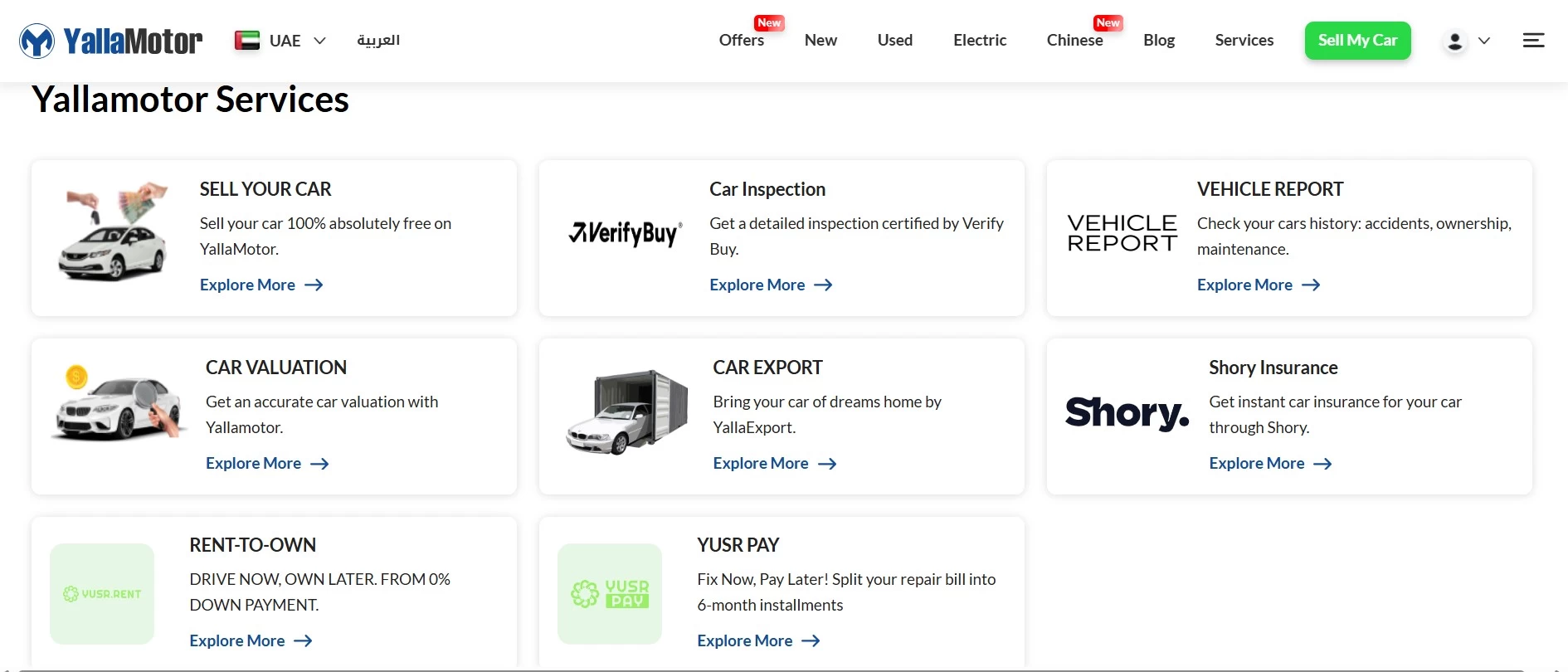
Before wrapping up your purchase, take advantage of YallaMotor’s valuation tools to ensure you’re paying a fair, market-based price. These tools use AI to assess factors like the car’s age, condition, mileage, and similar listings across the UAE.
Additionally, YallaMotor offers vehicle inspection services that provide a detailed professional report. This report can reveal any hidden issues, giving you the opportunity to negotiate the price further or avoid a risky purchase altogether. While the RTA inspection is mandatory, YallaMotor’s services add an extra layer of assurance, helping you make a confident, well-informed decision. This final step ensures a smooth and secure transaction.
Wrapping It Up
Here’s a quick recap of the key steps to help you land the best deal on a used car in the UAE:
-
Do your homework on market prices: Used cars can lose 20–30% of their value in the first year, so use this data to establish a solid starting point for your offer.
-
Inspect the vehicle thoroughly: Spot potential issues and factor in repair costs before making any commitments.
-
Understand the seller’s position: Whether dealing with a private owner or a dealer, tailor your approach accordingly.
-
Rely on facts and research: Use your findings to back up your offer and keep negotiations straightforward and professional.
-
Seal the deal properly: Verify all necessary documents and complete the RTA transfer to ensure everything is above board. This step isn’t just about protecting your purchase - it also shields you from fines that can range anywhere from AED 300 to AED 20,000 for various violations.
FAQs
What factors influence the price of a used car in the UAE?
Several elements influence the price of used cars in the UAE. These include market demand, the vehicle's condition, its age and mileage, and the brand's reputation and resale value. Broader economic conditions and recent market trends in the UAE also play a key role.
For instance, a car that's in excellent condition, has low mileage, and comes from a well-regarded brand will generally fetch a higher price. Conversely, cars with noticeable wear or higher mileage often present better opportunities for negotiation. Being aware of these factors can help you evaluate a car's worth and negotiate with confidence.
How can I tell if a seller is eager to close the deal?
Pay close attention to the seller's behaviour and language - these can reveal a sense of urgency. For example, they might mention needing to sell quickly, push to wrap up the deal, or hesitate to entertain further negotiations. Sellers in a rush often highlight things like limited availability or time-sensitive offers. These hints suggest they're eager to finalise the sale, which could give you a better opportunity to negotiate on your terms.
What documents do I need for transferring car ownership with the RTA in the UAE?
To complete a car ownership transfer through the RTA in the UAE, make sure you have the following documents ready:
-
UAE residency visa
-
Emirates ID
-
Passport copy
-
Valid driving licence
-
Car insurance policy
-
Inspection certificate from an authorised testing centre
Double-check that all your documents are current and accurate to avoid any hiccups. It's wise to confirm the latest requirements directly with the RTA or your nearest service centre, as rules can sometimes change.
Looking for a used car in Dubai or new car deals? Explore YallaMotor’s verified listings today.