
The Importance of Proper Tire Pressure for Your Vehicle
Tags:
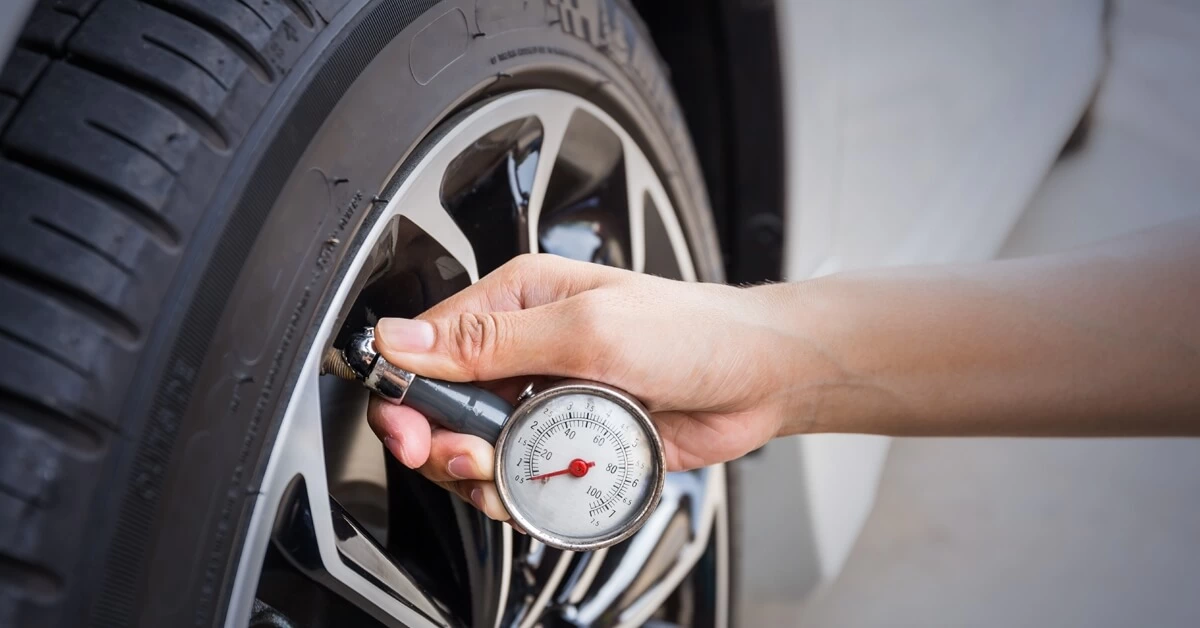
Maintaining correct tire pressure is a fundamental aspect that many drivers overlook, despite its direct impact on vehicle performance, fuel consumption, and driving safety. Tires are the only point of contact between the vehicle and the road, and proper pressure ensures a safe and economical driving experience.
Correct Tire Pressure Enhances Performance and Reduces Fuel Consumption
When tire pressure is low, the rolling resistance between the tire and the road increases, leading to higher fuel consumption and reduced performance efficiency. It also places extra strain on the engine, affecting its longevity.
If the pressure is excessively high, the contact area between the tire and the road decreases, resulting in uneven tire wear and compromising vehicle stability, especially on uneven roads.
Safety First: Proper Pressure Helps Prevent Accidents
Improper tire pressure can lead to a tire blowout, particularly at high speeds. This risk is one of the most common causes of tire-related accidents.
When pressure is low, the tire heats up quickly, increasing the likelihood of rupture. Conversely, excessive pressure makes the tire stiffer, reducing its ability to absorb shocks.
Reducing Costs Through Preventive Maintenance
Neglecting to check tire pressure periodically results in faster tire wear, necessitating earlier replacements than expected. It also negatively impacts the suspension system and other car components, increasing overall maintenance costs in the long run.
How to Properly Check Tire Pressure
- Refer to the vehicle manual to find the recommended pressure (usually found on a sticker inside the driver’s door or fuel filler cap).
- Use a tire pressure gauge, available at most gas stations.
- It is advisable to measure the pressure at least once a month or before long trips.
- Don't forget to check the spare tire as well.
Important Tips
- Tire pressure is affected by temperature; it naturally decreases in winter, so it’s recommended to adjust it according to weather conditions.
- Use valve caps to protect air inlets and prevent leaks.
Frequently Asked Questions (FAQs)
1. Does tire pressure affect fuel consumption?
Yes, low pressure increases road resistance and can raise fuel consumption by up to 10%.
2. What are the risks of high pressure?
Excess pressure reduces the tire's grip on the road, causes uneven wear, and increases the risk of skidding and loss of control.
3. How often should tire pressure be checked?
At least once a month and each time before traveling long distances.
4. What are the signs of a tire pressure issue?
- The vehicle drifts while driving
- Unusual vibrations
- Increased fuel consumption
- Uneven wear on the tire surface
Read also:

