Reliability represents the primary concern for potential buyers considering Chinese vehicles in the UAE and Saudi Arabia. It's a legitimate question rooted in historical context—Chinese cars from a decade ago often suffered from quality inconsistencies, questionable materials, and limited durability. However, the Chinese automotive industry of 2025 bears little resemblance to its state even five years ago.
Modern Chinese cars from established manufacturers now meet or exceed international quality standards, supported by rigorous testing protocols and advanced manufacturing processes that rival Japanese and European production facilities. This comprehensive guide examines the evidence: safety ratings, build quality, materials engineering, warranty coverage, and real-world performance in the demanding GCC climate.
International Safety Ratings: Objective Evidence of Quality
Euro NCAP and ANCAP testing provides objective, independent evidence of Chinese car quality improvements. These aren't marketing exercises but comprehensive crash testing programs conducted by organizations with no commercial interest in test outcomes. The results speak clearly about modern Chinese vehicle safety and build quality.
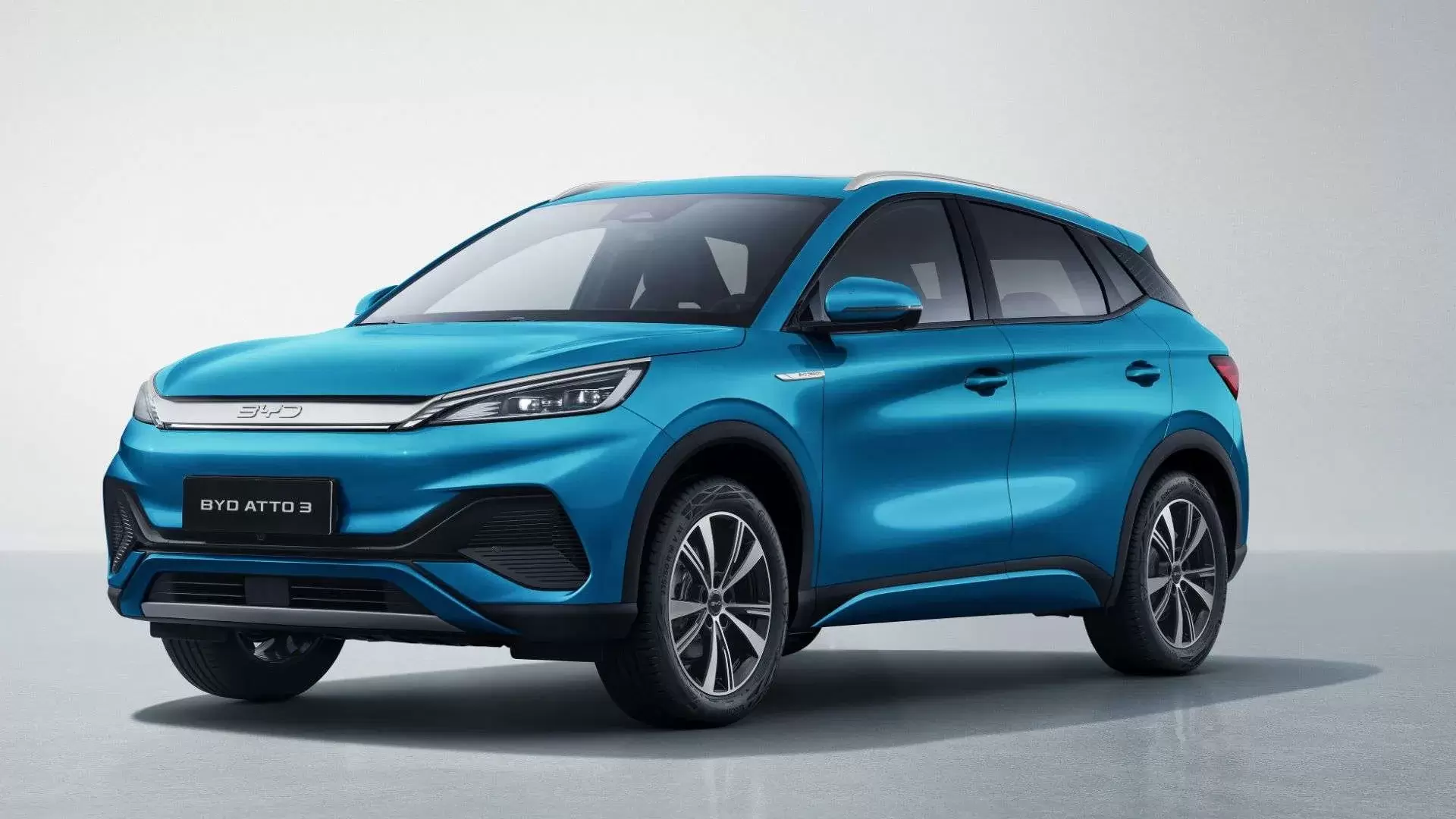
The BYD Atto 3 achieved a five-star Euro NCAP rating with an impressive 90% adult occupant protection score. This rating places the Atto 3 alongside premium European vehicles and ahead of several established Japanese models. The testing included frontal offset, full-width frontal, side barrier, and pole crash scenarios, all passed with strong structural performance.
The Geely Coolray earned five stars from ANCAP (Australasian New Car Assessment Program), matching scores achieved by Toyota, Honda, and Mazda competitors. ANCAP's testing regime includes not just crash protection but also safety assist technology evaluation, rewarding vehicles with comprehensive active safety systems. The Coolray's strong performance demonstrates Chinese manufacturers' commitment to holistic vehicle safety.
The MG ZS EV received strong safety ratings across multiple international testing bodies, demonstrating consistent build quality across different production batches and markets. This consistency matters—it shows quality control rather than one-off engineering exercises designed to pass specific tests.
These ratings aren't outliers. Multiple Chinese vehicles from BYD, Geely, MG, and other manufacturers achieve four or five-star ratings when subjected to independent crash testing. Chinese manufacturers specifically target these ratings during vehicle development, understanding that international credibility requires meeting global safety benchmarks.
Build Quality and Materials: The Touch and Feel Test
Step inside a modern Chinese vehicle and the quality impression often surprises first-time buyers. Soft-touch materials replace the hard plastics that characterized earlier Chinese cars. Panel gaps meet tight tolerances comparable to Japanese manufacturing standards. Paint finishes show consistent quality without orange peel or thin coverage.
Manufacturing Process Improvements
These improvements stem from automated production lines using robotic assembly systems similar to those in Japanese and German factories. Chinese manufacturers have invested billions in modern production facilities employing the same suppliers and equipment used by established premium brands.
Visit a BYD or Geely factory and you'll observe highly automated body shops with robotic welding cells, automated paint booths with precise thickness control, and clean assembly lines with comprehensive quality checkpoints. These facilities meet ISO 9001 quality management standards and undergo regular third-party audits.
International Component Suppliers
Chinese manufacturers source critical components from international tier-one suppliers including Bosch, Continental, ZF, and Aisin. Brake systems from Bosch, transmission components from Aisin, and electronic stability control from Continental ensure that safety-critical systems meet global quality standards.
Infotainment screens come from BOE and other display manufacturers supplying Apple, Samsung, and other consumer electronics leaders. The quality visible in modern smartphones translates directly to automotive applications, providing responsive touchscreens with excellent viewing angles and resolution.
Battery cells in Chinese electric vehicles often exceed performance and safety standards of older battery technologies. Manufacturers like BYD and CATL (Contemporary Amperex Technology) lead global battery development, supplying not just Chinese automakers but also Tesla, BMW, and other international brands. The extensive thermal management systems and safety protocols reflect cutting-edge engineering.
Warranty Coverage: Manufacturer Confidence in Reliability
Perhaps the strongest indicator of manufacturer confidence in reliability comes from warranty terms. Warranties represent financial risk—every warranty claim costs manufacturers money in parts and labor. Extended warranties demonstrate that manufacturers genuinely believe their vehicles will require minimal repair intervention.
Chinese Car Warranty Terms
BYD offers six years or 150,000 kilometers comprehensive warranty on their vehicles in the GCC, with battery warranties extending to eight years or 150,000 kilometers. This coverage significantly exceeds the typical three-year terms offered by many Japanese and European brands.
Chery provides seven years or 150,000 kilometers coverage across their range. MG offers five to seven years depending on model. These extended warranties transfer long-term reliability risk from buyer to manufacturer, providing cost certainty during the ownership period when major component failures might occur.
What Extended Warranties Mean
Extended warranties effectively lock in ownership costs, eliminating repair cost uncertainty that sometimes affects older vehicles from brands with shorter warranty terms. During the critical 4-7 year ownership period when most GCC buyers retain vehicles, Chinese car owners face no unexpected repair bills for covered components.
These warranties aren't marketing gimmicks with extensive exclusions. They provide comprehensive coverage including powertrain, electrical systems, air conditioning, and major mechanical components. The warranty terms match or exceed those offered by premium European brands that cost significantly more.
Real-World Ownership Experiences in the GCC
Safety ratings and warranty terms matter, but real-world ownership experiences provide the ultimate reliability test. Early adopters of Chinese brands from 2019-2020 have now accumulated 4-5 years of ownership experience, providing valuable data about long-term durability.
Owner Reports and Feedback
GCC owners of Chinese vehicles report generally positive reliability experiences. Routine maintenance requirements mirror established competitors—oil changes every 10,000 kilometers, brake pad replacements at typical intervals, and tire wear consistent with driving patterns. Minor issue rates appear comparable to Japanese and Korean vehicles in the same price segments.
Common minor issues reported include occasional software glitches in infotainment systems (resolved through updates), sensor calibration requirements for advanced driver assistance systems, and typical consumable item replacements. These mirror issues affecting all modern vehicles regardless of origin, reflecting automotive complexity rather than Chinese-specific problems.
GCC Climate Performance

The GCC's demanding climate provides rigorous testing for any vehicle. Temperatures exceeding 50°C, intense UV exposure, and dust infiltration challenge materials, cooling systems, and electronic components. Chinese manufacturers have adapted their vehicles accordingly.
Enhanced cooling systems maintain optimal operating temperatures even during peak summer heat. Air conditioning systems provide higher cooling capacity than standard specifications. Battery thermal management systems (for electric vehicles) actively cool and heat battery packs to maintain ideal operating ranges despite extreme ambient temperatures.
Heat-resistant components replace materials that might degrade under sustained high temperatures. Seal materials, plastic components, and electronic enclosures receive specifications appropriate for desert environments. These adaptations reflect manufacturer commitment to GCC market success rather than selling globally-specified vehicles without regional modifications.
Service Network Infrastructure and Parts Availability
Reliability means little without adequate service infrastructure to address issues when they arise. Chinese brands have invested significantly in establishing comprehensive dealer and service networks across the UAE and Saudi Arabia.
Service Center Expansion
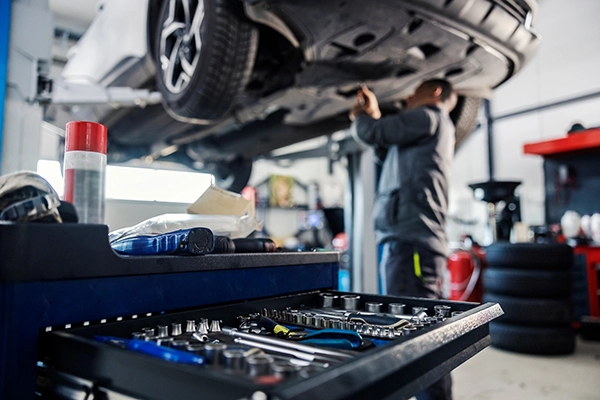
Major cities including Dubai, Abu Dhabi, Sharjah, Riyadh, Jeddah, and Dammam host multiple authorized service centers for leading Chinese brands. These facilities employ trained technicians with brand-specific diagnostic equipment and repair procedures. The expansion continues into secondary cities, ensuring reasonable access for owners across the GCC.
Service centers maintain comprehensive parts inventory for common maintenance items—filters, brake pads, fluids, and sensors. Regional parts distribution centers in Dubai and Dammam ensure rapid replenishment, with common service items reaching dealers within 24-48 hours.
Parts Availability and Repair Turnaround
Structural components and major assemblies typically arrive within one week for accident repairs, competitive with established brands operating in the region. This availability reflects manufacturer investment in regional parts warehousing rather than reliance on slow shipping from China.
The growing Chinese car population creates aftermarket opportunities, with independent parts suppliers beginning to stock common components for popular models. This competition moderates parts costs over time and provides alternative supply sources beyond official dealer networks.
Engineering Standards and Quality Control
Modern Chinese automotive manufacturing employs ISO-certified quality control systems throughout production chains. Major manufacturers implement Six Sigma methodologies, statistical process control, and comprehensive testing protocols that match international best practices.
Research and Development Investment
Chinese manufacturers have invested billions in research and development, hired engineering talent from global automakers including BMW, Mercedes-Benz, and Toyota, and established design studios in Europe and California. This talent infusion brings international expertise directly into Chinese product development.
The results manifest in sophisticated chassis dynamics, refined powertrains, and comprehensive safety systems. Modern Chinese vehicles undergo the same development validation testing as established competitors—extreme temperature testing, durability cycling, crash simulation, and comprehensive quality validation before production launch.
Platform Sharing and Technology Transfer
Partnerships and acquisitions facilitate technology transfer from established manufacturers to Chinese brands. Geely's ownership of Volvo enables platform sharing, safety system integration, and manufacturing process adoption. These aren't superficial relationships but deep technical collaborations yielding tangible quality benefits.
Comparing Chinese Reliability to Established Brands
How do Chinese cars compare to established Japanese and Korean competitors in reliability? The honest answer: modern Chinese vehicles from major manufacturers approach but don't quite match the legendary reliability of Toyota and Honda, while competing favorably with Korean brands and surpassing some European alternatives.
The Reliability Hierarchy
Top tier: Toyota, Honda, Lexus maintain their reliability reputations through conservative engineering, extensive validation testing, and decades of refinement.
Second tier: Mazda, Hyundai, Kia offer very good reliability with more advanced technology than top-tier Japanese brands.
Third tier: Modern Chinese brands (BYD, Geely, Chery, MG) provide good reliability competitive with mainstream European brands, supported by extensive warranties.
This positioning reflects reality—Chinese manufacturers have improved dramatically but haven't yet accumulated the decades of refinement and validation data enjoyed by established leaders. However, the gap narrows yearly as Chinese manufacturers gain experience and refine their products.
What This Means for Buyers
Chinese car reliability in 2025 justifies serious consideration for buyers prioritizing value and features over maximum proven durability. The combination of strong safety ratings, comprehensive warranties, and positive early ownership experiences suggests these vehicles will serve buyers well through typical 5-7 year ownership periods.
Risk-averse buyers seeking absolute maximum reliability might still prefer Toyota or Honda despite higher prices and fewer features. However, buyers willing to accept good rather than legendary reliability gain access to impressive vehicles at compelling prices, backed by warranties that provide cost protection superior to shorter-coverage Japanese alternatives.
The extended warranties particularly matter for budget-conscious buyers. While a Toyota might prove slightly more reliable over seven years, Chinese car buyers pay AED 20,000-30,000 less upfront and enjoy warranty coverage throughout the ownership period. The total cost equation often favors Chinese vehicles even accounting for potential reliability differences.