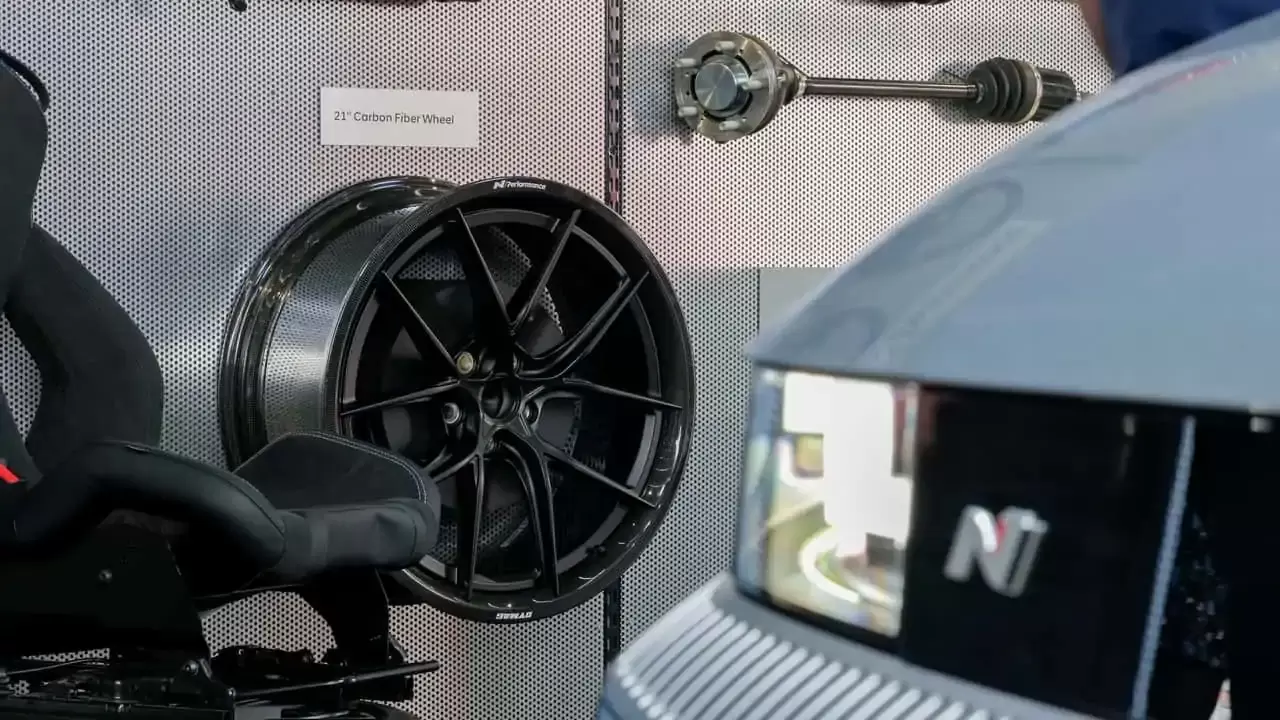
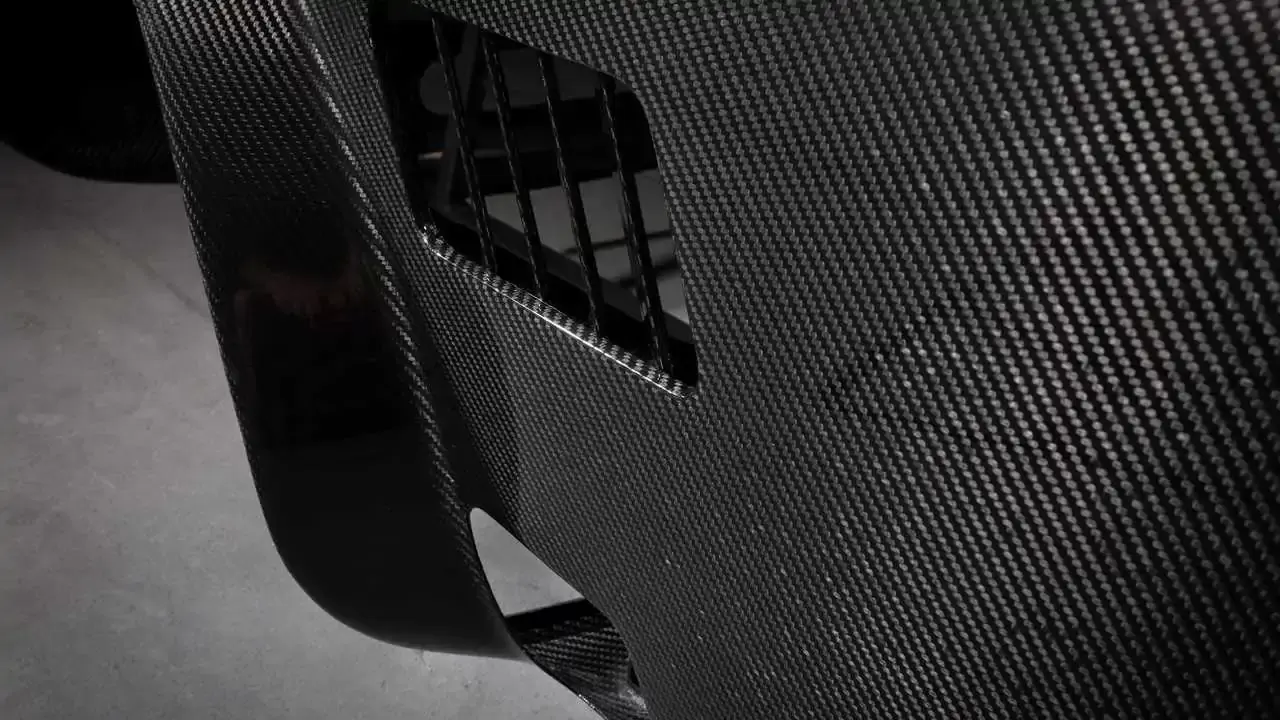
Carbon fiber is a staple in high-performance and electric vehicles for its strength and lightweight properties. However, the European Union’s latest amendment could label it as hazardous, disrupting automotive and aerospace industries globally. Here’s what’s at stake.
Why the EU Wants to Ban Carbon Fiber
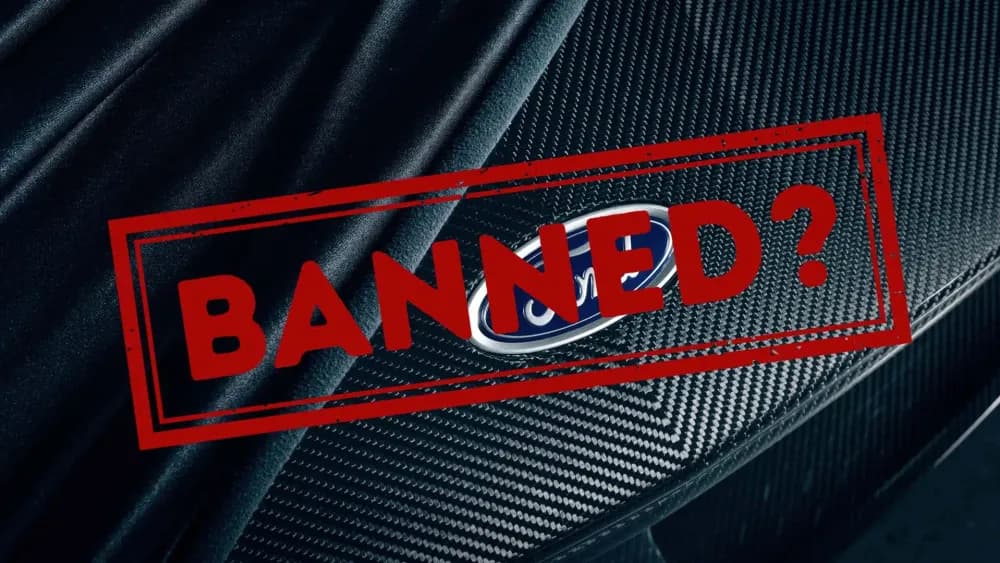
The EU Parliament’s draft amendment to the End of Life Vehicles Directive seeks to classify carbon fiber alongside toxic materials like lead and mercury. If passed, the rule would take effect in 2029, forcing automakers to phase out its use.
Potential Health Risks
The EU argues that carbon fiber filaments could:
- Become airborne during recycling, risking inhalation.
- Irritate skin upon contact.
This marks the first global attempt to regulate carbon fiber as hazardous.
Industries Most Affected
Automotive and aerospace sectors—which consume 20% of global carbon fiber—face the biggest challenges:
1. Supercar and Sports Car Makers
Brands like Ferrari and Lamborghini rely on carbon fiber for lightweight frames and high-speed performance.
2. Electric Vehicle Manufacturers
EVs use carbon fiber to offset battery weight. Key players at risk:
- BMW: i-series models.
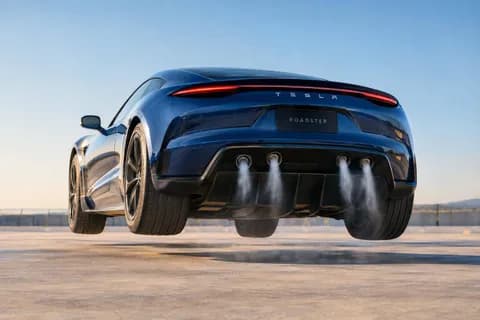
- Tesla: Cybertruck and Roadster components.
- Lucid Motors: Air sedan chassis.
3. Aerospace and Asian Suppliers
Japan’s Teijin, Toray Industries, and Mitsubishi Chemical (54% of the market) saw stock drops after the announcement.
Market Reactions and Opposition
The $5.5 billion carbon fiber industry is pushing back:
- Automakers: Claim alternatives (e.g., aluminum) compromise performance.
- Recycling Advocates: Argue safe handling protocols exist.
- EU Parliament: Final vote expected in 2025.
What’s Next?
If adopted, the ban would:
| Timeline | Impact |
|---|---|
| 2025–2029 | Gradual phase-out in Europe |
| Post-2029 | Global supply chain disruptions |
Looking for a used car for sale in Dubai or new car for sale in Dubai?