What are the hottest EV trends UAE drivers should watch?
Today’s electric vehicle trends are no longer just about switching from petrol to battery power. The real change is happening in charging speed, battery design, cabin usability, connected software, and overall affordability. For UAE drivers, that means EVs are becoming easier to live with, easier to charge, and more attractive across a wider range of budgets.
That matters because buyers in the UAE usually care about practicality just as much as innovation. Daily commutes, intercity driving between major emirates, apartment living, hot weather, and long-term ownership costs all shape the EV buying decision. As a result, the most important EV trends are the ones that improve real-world usability rather than just making headlines.
If you are browsing the latest options before making a decision, you can start by exploring new cars in the UAE to understand how the market is evolving.
Why do EV trends matter more in the UAE now?
The UAE is becoming one of the region’s most interesting EV markets because it combines strong interest in technology with a growing charging ecosystem and a wider variety of electric models. Buyers are no longer asking only whether EVs work. They are asking which type of EV fits their lifestyle, how quickly it can charge, and whether it will still feel modern three or four years after purchase.
This is exactly why current trends matter. New battery types can lower costs, better software can improve the ownership experience, and faster charging can reduce one of the biggest concerns for first-time buyers. In simple terms, the newest EV innovations are making electric cars feel less like early-adopter products and more like everyday vehicles built for normal use in Dubai, Abu Dhabi, Sharjah, and beyond.
How are new battery chemistries changing electric cars?
Battery chemistry is one of the biggest forces shaping the next generation of EVs. Instead of relying on one standard formula, manufacturers are now developing different battery types for different goals, such as lower cost, stronger safety, better efficiency, or higher performance.
This shift is important because not every driver needs the same kind of battery. Some buyers want the lowest possible purchase price. Others care more about range, fast charging, or long-term durability. That is why the market is gradually splitting into more specialized battery solutions instead of treating all EVs the same.
- Sodium-ion batteries could help lower costs in standard-range EVs.
- LMFP-style battery development is gaining attention as a middle ground between affordability and improved energy density.
- Solid-state batteries remain a major long-term goal for better safety and performance.
- Battery choice is becoming a product strategy, not just a technical detail.
For the UAE market, this could create clearer separation between entry-level EVs, family-focused crossovers, and premium long-range models. A more diversified battery landscape should also help brands build vehicles that better match local expectations on price, convenience, and day-to-day efficiency.
Why this matters to buyers
Many shoppers still think of EV batteries as one category, but that is starting to change. Over the next few years, buyers will likely compare EVs not just by brand, design, or range, but also by the type of battery technology used under the floor.
How is fast charging improving the EV ownership experience?
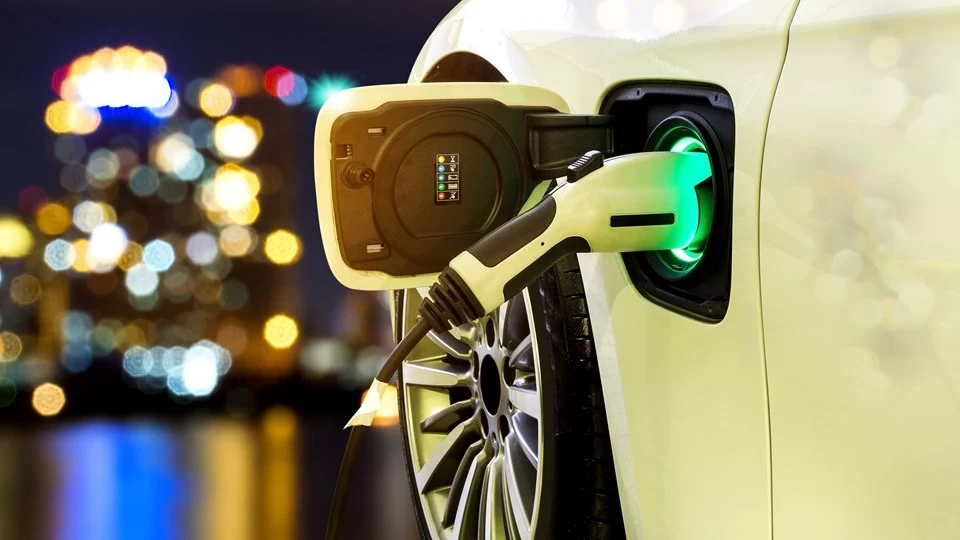
Fast charging is becoming one of the most important EV selling points because it directly affects convenience. When charging gets quicker, the ownership experience feels closer to conventional fueling, especially for drivers who travel between emirates or rely on public charging during busy weeks.
Modern EV architectures are increasingly designed to support higher-voltage systems, which help improve charging performance and reduce energy losses. That does not mean every EV will suddenly charge at the same speed, but it does mean more vehicles are being built with faster charging as a core priority rather than an optional advantage.
- Ultra-fast charging can significantly cut waiting time on compatible hardware.
- Higher-voltage systems are helping EVs recharge more efficiently.
- Smarter charging strategies reduce the need to oversize battery packs.
- Better charging speeds make EV road trips more realistic for more drivers.
For the UAE, this is especially relevant because many buyers regularly drive long stretches on highways and expect quick turnaround times. Faster charging will not just improve convenience. It will also make more compact and mid-range EVs easier to recommend, because drivers may no longer feel they need the biggest battery available just to feel secure.
Will wireless charging become useful in the UAE?
Wireless charging is still early, but it represents one of the most interesting convenience-focused EV trends. Instead of plugging in a cable, the driver parks above a charging pad and the vehicle begins charging automatically.
In practical terms, this could be most useful in homes, offices, fleet hubs, and premium urban developments. In the UAE, where convenience plays a major role in vehicle ownership, wireless charging could be particularly appealing for apartment residents, commercial fleets, ride-hailing operators, and drivers who want a cleaner, simpler charging routine.
- Home charging pads may reduce the hassle of daily plug-in charging.
- Fleet operators could benefit from more automated charging routines.
- Premium use cases may reach the market first before mass adoption follows.
- Longer-term pilot projects may expand the role of dynamic charging technologies.
Why are physical buttons making a comeback?
After years of touchscreen-heavy cabin design, many automakers are rethinking usability. Drivers still enjoy large screens, but they also want quick and reliable access to critical controls without taking their eyes too far off the road.
That is why physical buttons and tactile shortcuts are returning for functions such as climate settings, drive modes, and key safety-related controls. For UAE drivers dealing with traffic, fast roads, and bright conditions, a more balanced cabin layout can make the car easier and safer to use every day.
- Essential functions are easier to access with tactile controls.
- Better ergonomics can reduce distraction while driving.
- Drivers get the benefits of digital interfaces without losing simple usability.
What is a software-defined vehicle and why does it matter?
A software-defined vehicle is an EV that relies more heavily on software to manage functions, improve features, and shape the user experience over time. In simple terms, the car keeps evolving after purchase rather than remaining mostly fixed from day one.
This is one of the most important changes in the modern EV market. Instead of visiting a service center for every update, drivers may receive performance tweaks, interface improvements, efficiency adjustments, or new convenience features remotely. That can make the ownership experience feel fresher, more connected, and more responsive to changing needs.
- Over-the-air updates can improve features after delivery.
- Centralized software systems simplify how vehicle functions are managed.
- App-based control is becoming more common across modern EVs.
- Feature upgrades can add long-term value to ownership.
For the UAE market, this matters because buyers often expect premium technology experiences even in mainstream segments. A software-led EV can feel more future-ready, especially when connected services, cabin personalization, and digital convenience continue improving after the car leaves the showroom.
How is artificial intelligence changing EVs?
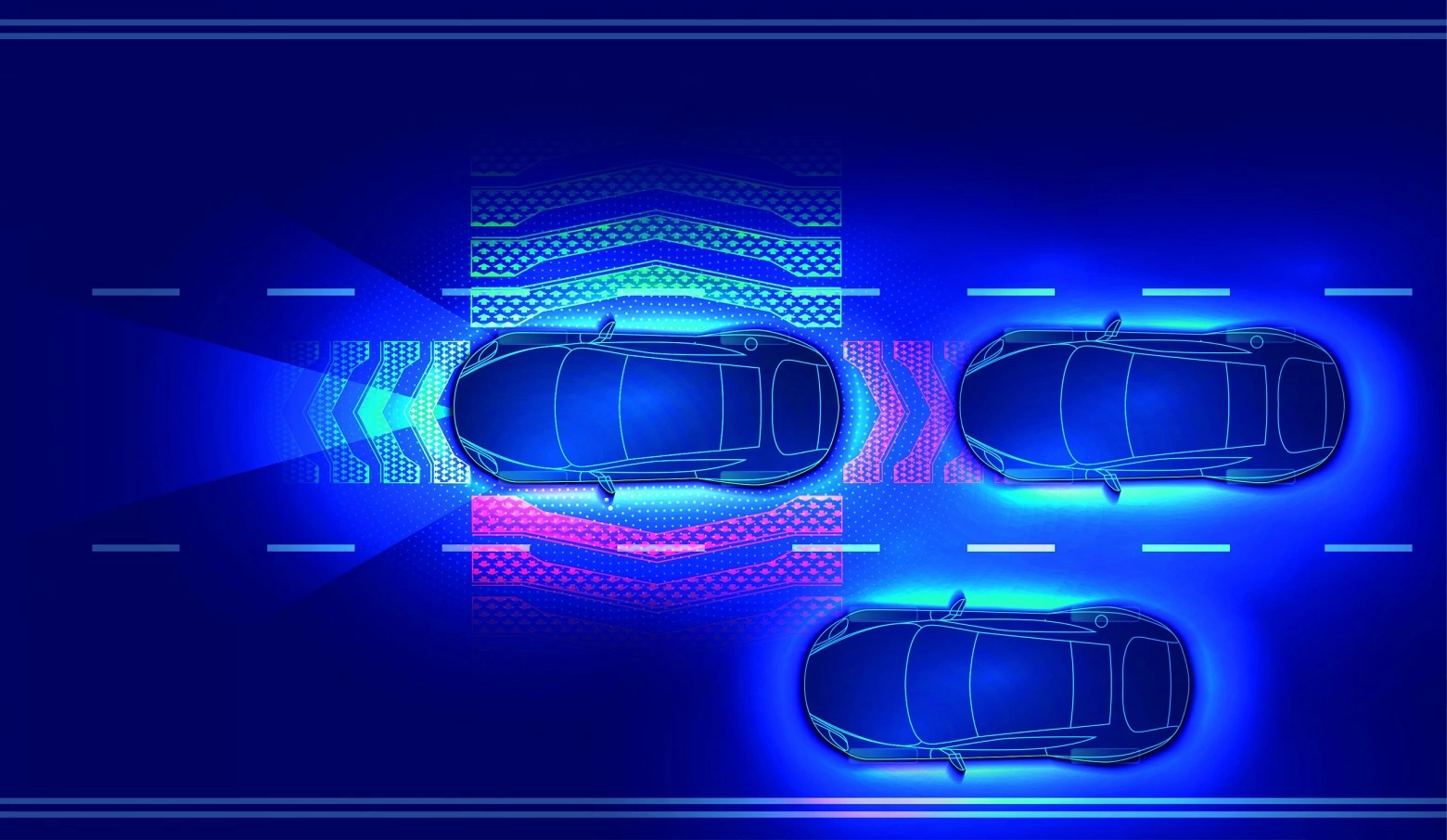
Artificial intelligence is becoming more useful in EVs because it can improve efficiency, personalization, and trip planning rather than serving as a simple voice assistant. The best AI features work quietly in the background by helping the vehicle make better decisions based on conditions, usage patterns, and driver behavior.
For example, AI can support smarter route planning, suggest charging stops at the right time, optimize energy use, and learn the driver’s cabin preferences. In a country like the UAE, where long commutes and mixed urban-highway use are common, this kind of intelligence can make EV ownership smoother and less stressful.
- AI can improve route planning around charging needs.
- Vehicles can learn driving patterns and energy habits over time.
- Cabin settings and infotainment experiences can become more personalized.
- Predictive systems may improve convenience and efficiency together.
What does V2X, V2H, and V2L mean for future EV ownership?
EVs are increasingly being designed as part of a wider energy ecosystem. That means the car is not only a vehicle for moving people. It can also act as a battery on wheels, capable of powering devices, supporting homes, or interacting with wider energy systems in specific scenarios.
This includes concepts such as vehicle-to-load for external devices, vehicle-to-home for backup power, and broader vehicle-to-everything connections that tie cars into digital and energy networks. In the UAE, where interest in solar energy and smart infrastructure continues to grow, these functions could add another layer of value to EV ownership in the future.
- V2L can power appliances, tools, or outdoor equipment.
- V2H may support home backup in suitable setups.
- V2X expands the role of the EV beyond transportation alone.
- Energy-aware vehicles may become more valuable over time.
How are EV platforms improving performance and packaging?
Dedicated EV platforms are helping automakers build better vehicles from the ground up. Because these platforms are designed for batteries and electric motors from the start, they often improve cabin space, weight distribution, and overall packaging efficiency.
This is one reason modern EVs can feel both practical and refined. A well-designed platform can support better balance, more interior room, a lower center of gravity, and stronger handling. For UAE buyers, that translates into EVs that are not only efficient but also comfortable, stable, and enjoyable to drive in daily conditions.
- Skateboard-style layouts improve interior packaging.
- Low-mounted batteries can help stability and ride balance.
- Multi-motor setups open the door to stronger performance and control.
- Lightweight design strategies can improve both range and dynamics.
Will EVs become more affordable in the UAE?
Affordability is one of the most important EV trends because it determines how quickly the market can move beyond early adopters. As battery costs improve and more brands expand their lineups, buyers are likely to see more variety at the lower and middle ends of the market.
That does not mean every EV will suddenly become cheap, but it does mean the market should become broader and more competitive. Smaller city EVs, practical family crossovers, fleet-focused vehicles, and subscription-style ownership models could all help make electric mobility more accessible in the UAE.
- Lower-cost batteries are helping reduce pricing pressure.
- More brands are entering compact and mainstream EV categories.
- Fleet and commercial EV adoption can accelerate market familiarity.
- New ownership formats may reduce the barrier to entry for some buyers.
For buyers, the real win is not just lower sticker prices. It is the combination of better pricing, better charging, better software, and better model variety. That is what turns EVs from niche alternatives into realistic options for a much wider audience.
Quick view of the biggest EV trends
| Trend | What It Changes | Why It Matters in the UAE |
|---|---|---|
| New battery chemistries | Improves cost, durability, and model differentiation | Can expand EV choices across entry-level and premium segments |
| Faster charging | Reduces waiting time and improves trip usability | Useful for intercity travel and busy daily schedules |
| Wireless charging | Makes charging more convenient | Could suit premium homes, offices, and fleets |
| Physical controls return | Improves safety and usability | Helpful in fast-moving traffic and everyday commuting |
| Software-defined vehicles | Adds updates and features after purchase | Keeps ownership experience more modern over time |
| AI and energy integration | Improves efficiency, planning, and power use | Adds convenience and future value for connected living |
What should UAE buyers take from these trends?
The biggest takeaway is that EVs are becoming more complete products. They are no longer defined only by whether they are electric. They are increasingly judged by how smart they are, how quickly they charge, how easy they are to live with, and how well they fit different budgets and lifestyles.
That is good news for UAE buyers. Whether you want a practical city commuter, a family-friendly crossover, or a tech-heavy premium EV, the market is moving toward better usability and better choice. The next wave of electric cars will not just be cleaner alternatives. They will be more mature, more convenient, and more tailored to real driving needs.
FAQs
What are the latest EV trends in electric vehicles?
The latest EV trends include new battery chemistries, faster charging systems, software-defined vehicle architecture, AI-powered efficiency tools, and growing energy integration features. Together, these innovations are making EVs more practical, more user-friendly, and more affordable for everyday drivers.
Are EV batteries improving in 2026 and beyond?
Yes, battery technology is improving through a wider mix of chemistries aimed at different priorities such as lower cost, better durability, and stronger performance. This means buyers are likely to see clearer differences between entry-level, mainstream, and premium EVs in the coming years.
How fast can modern EVs charge now?
Modern EV charging is improving quickly thanks to higher-voltage systems and more capable charging hardware. While charging time still depends on the car, battery condition, and charger type, the direction of the market is clearly moving toward shorter stops and easier long-distance use.
Will EVs become cheaper in the future?
Yes, EVs are expected to become more affordable as battery costs improve and more brands compete in the market. Wider model variety, better economies of scale, and growth in mainstream segments should make electric vehicles more accessible to a larger group of UAE buyers.
What is a software-defined vehicle?
A software-defined vehicle is a car that uses software as a core part of how it operates, updates, and delivers features. This allows the vehicle to improve over time through digital updates, added functions, and smarter integration with apps and connected services.