April 2026 has delivered the largest single-month fuel price increase in UAE history. Super 98 now stands at AED 3.39 per litre — up 30.9% from March — while diesel has surged by a staggering 72.4% to AED 4.69 per litre. For UAE residents who commute daily between Dubai, Abu Dhabi, or Sharjah, the impact on monthly budgets is significant and immediate.
Understanding why this is happening — and what you can do to reduce the burden — is now more important than ever. This guide breaks down the root causes of the UAE's fuel price surge, explains the global forces at play, and offers practical steps UAE drivers can take right now.
Why Are Fuel Prices Increasing in the UAE?
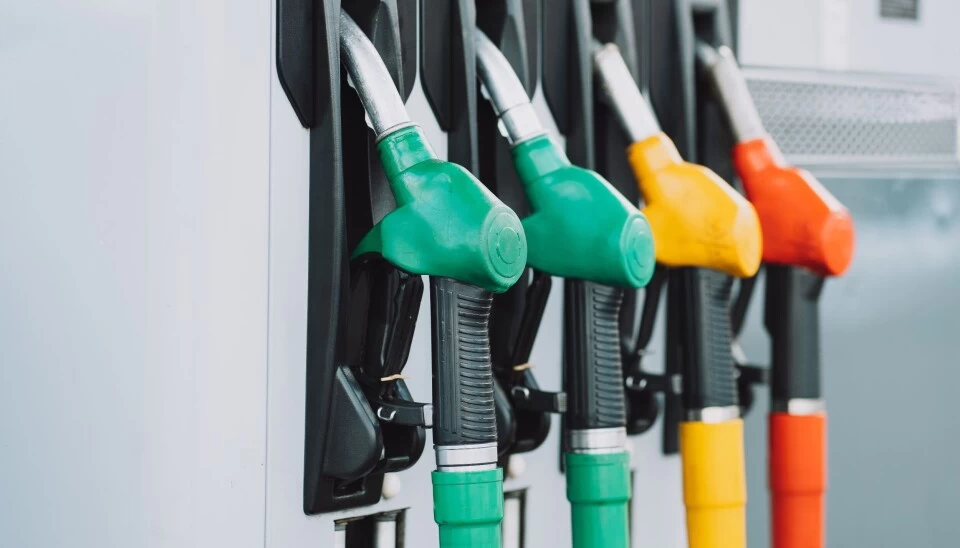
UAE fuel prices are directly linked to global crude oil markets. Since the government liberalised domestic fuel pricing in September 2015, ending decades of heavy subsidies, local pump prices are reviewed monthly by the UAE Fuel Price Committee and set in line with international benchmarks. When crude rises globally, UAE drivers feel it at the pump within weeks.
Between late February and early April 2026, Brent crude prices surged from approximately USD 67 per barrel to nearly USD 120 per barrel — a rise of over 50% in a single month. That kind of shock to crude markets inevitably flows through to refined petrol and diesel prices worldwide, including in the UAE.
- UAE fuel prices are reviewed and updated monthly by the Fuel Price Committee
- Pricing has tracked global benchmarks since September 2015 deregulation
- Crude oil, refining, logistics, and distribution costs all feed into the final pump price
- Global supply shocks are reflected locally, typically within one pricing cycle (one month)
What Triggered the April 2026 Price Surge?
The primary cause of April's unprecedented price spike is the US-Iran conflict and the near-closure of the Strait of Hormuz. The Strait of Hormuz — the narrow waterway between Oman and Iran — is the world's most critical oil transit chokepoint. Before the crisis, an estimated 20% of all globally traded oil, or around 20 million barrels per day, passed through this corridor daily.
By early April 2026, daily ship transits through Hormuz had collapsed by approximately 95% — from a pre-crisis average of 129–140 vessels per day to just 7. Drone strikes near the passage made marine insurers deem transit too risky to underwrite, effectively shutting the route down for commercial shipping. The International Energy Agency (IEA) reported that actual oil throughput fell from 20 million barrels per day to just 3.8 million barrels per day by mid-April.
- The Strait of Hormuz handles ~20% of all globally traded oil
- Ship transits fell by ~95% — from 130+ vessels/day to just 7 by April 10
- QatarEnergy declared force majeure on LNG exports, affecting ~20% of global LNG supply
- Brent crude peaked near USD 120/barrel; UAE's Murban benchmark briefly touched USD 152
- Oil markets price in risk of disruption, not just confirmed shortages — causing prices to jump fast
How Did Global Crude Prices Rise So Quickly?
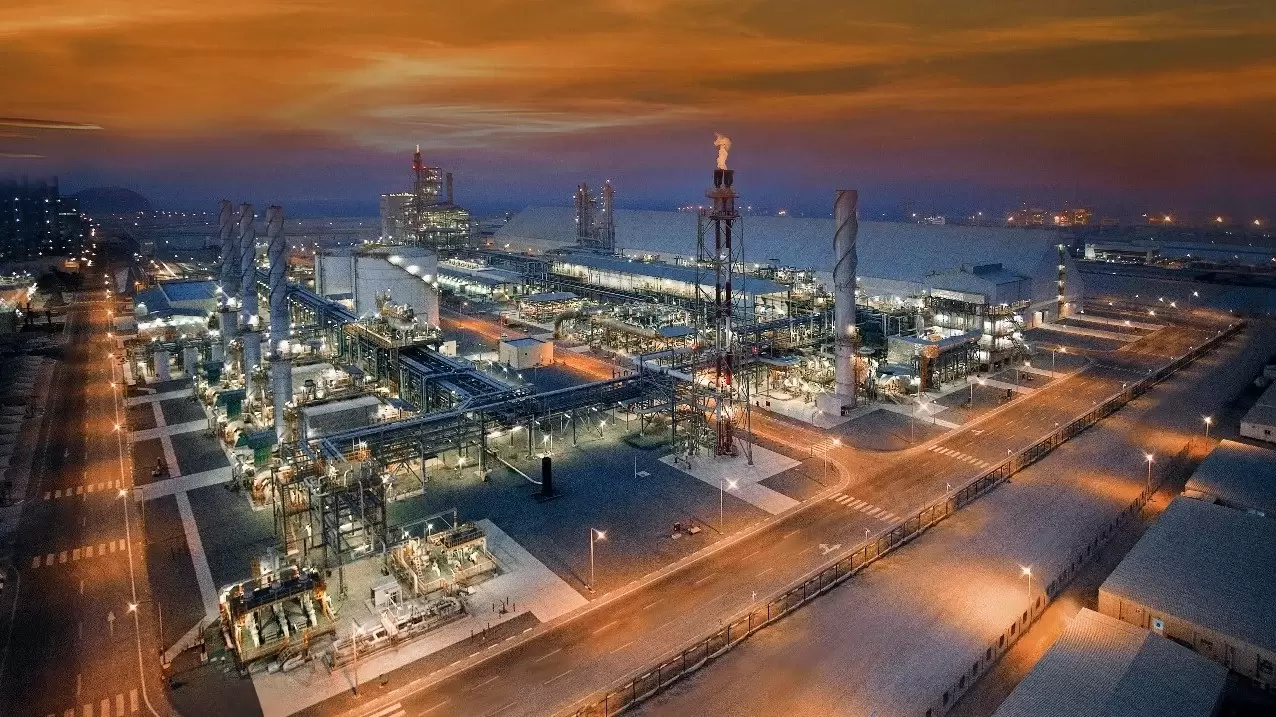
Oil markets are forward-looking by nature. Traders and investors adjust prices based on anticipated supply and demand changes, not just confirmed shortages. The moment the Strait of Hormuz closure became a credible risk in late February 2026, oil futures markets began pricing in a worst-case supply shock. By the time physical disruption was confirmed, prices had already surged dramatically.
This mechanism explains why several countries saw fuel price hikes within 24–48 hours of the crisis beginning, while the UAE — with its monthly pricing review — absorbed the increase one cycle later, in April. That delay cushioned the initial shock for UAE drivers but also meant the full impact arrived in one concentrated adjustment rather than being spread gradually across multiple months.
What Role Does OPEC+ Play in UAE Fuel Prices?
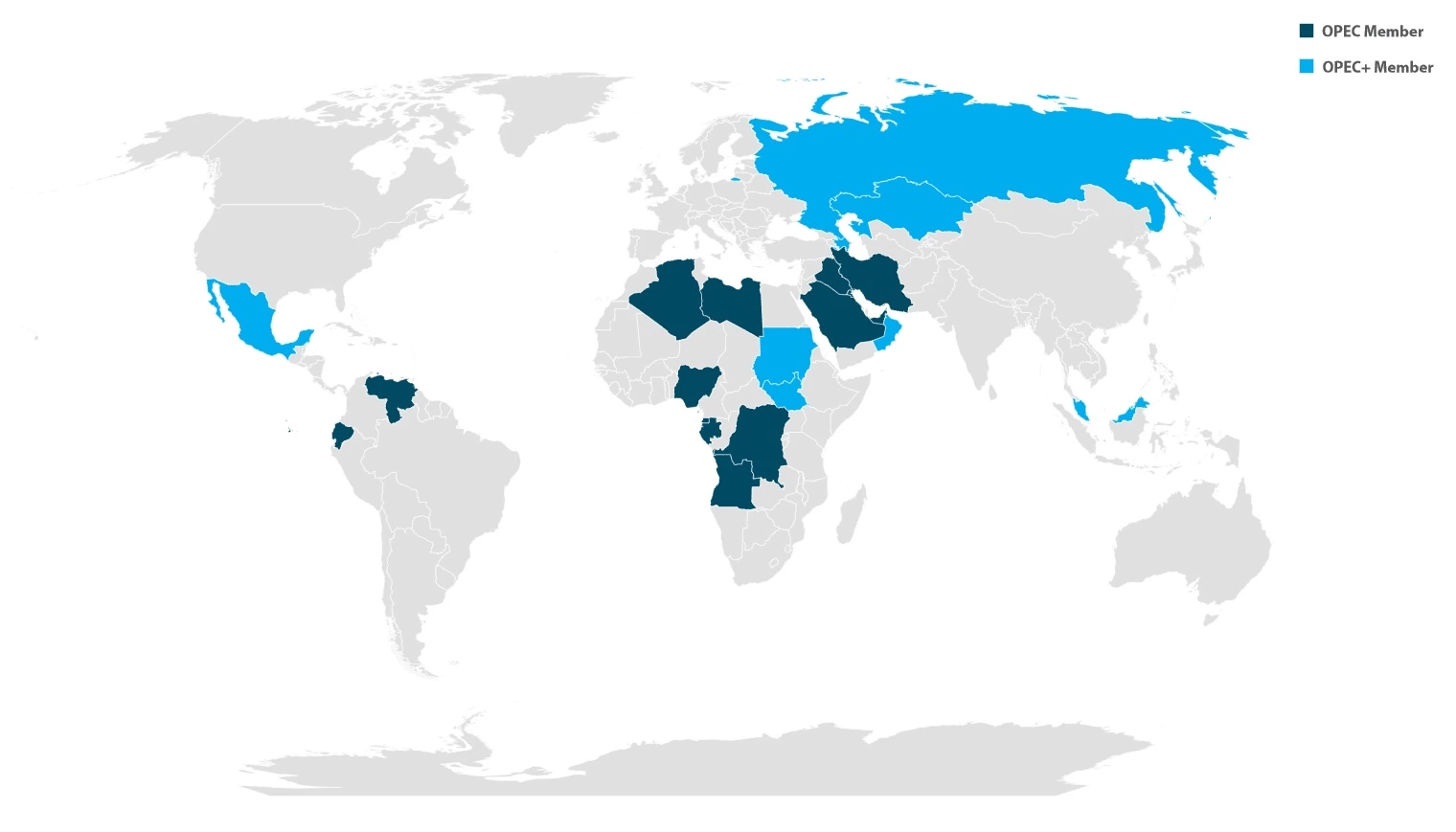
The Organisation of the Petroleum Exporting Countries and its allies (OPEC+) collectively control a substantial share of global oil production, and the UAE is an active member. OPEC+ uses production quotas to manage global oil supply and, by extension, influence crude prices.
In response to the Hormuz crisis, OPEC+ member nations — including Saudi Arabia, Iraq, and the UAE itself — curtailed output amid widespread export disruptions. The International Energy Agency described the resulting supply shock as the largest in decades. Meanwhile, global oil demand remained robust, creating a severe supply-demand imbalance that drove prices sharply higher.
- OPEC+ controls a major portion of global oil production and sets monthly output targets
- UAE is an OPEC+ member and bound by collective production agreements
- Supply cuts in response to the Hormuz closure compounded the price pressure
- OPEC+ is considering easing cuts in Q4 2026, which could bring some relief later in the year
Are Local UAE Policy Factors Also Contributing?
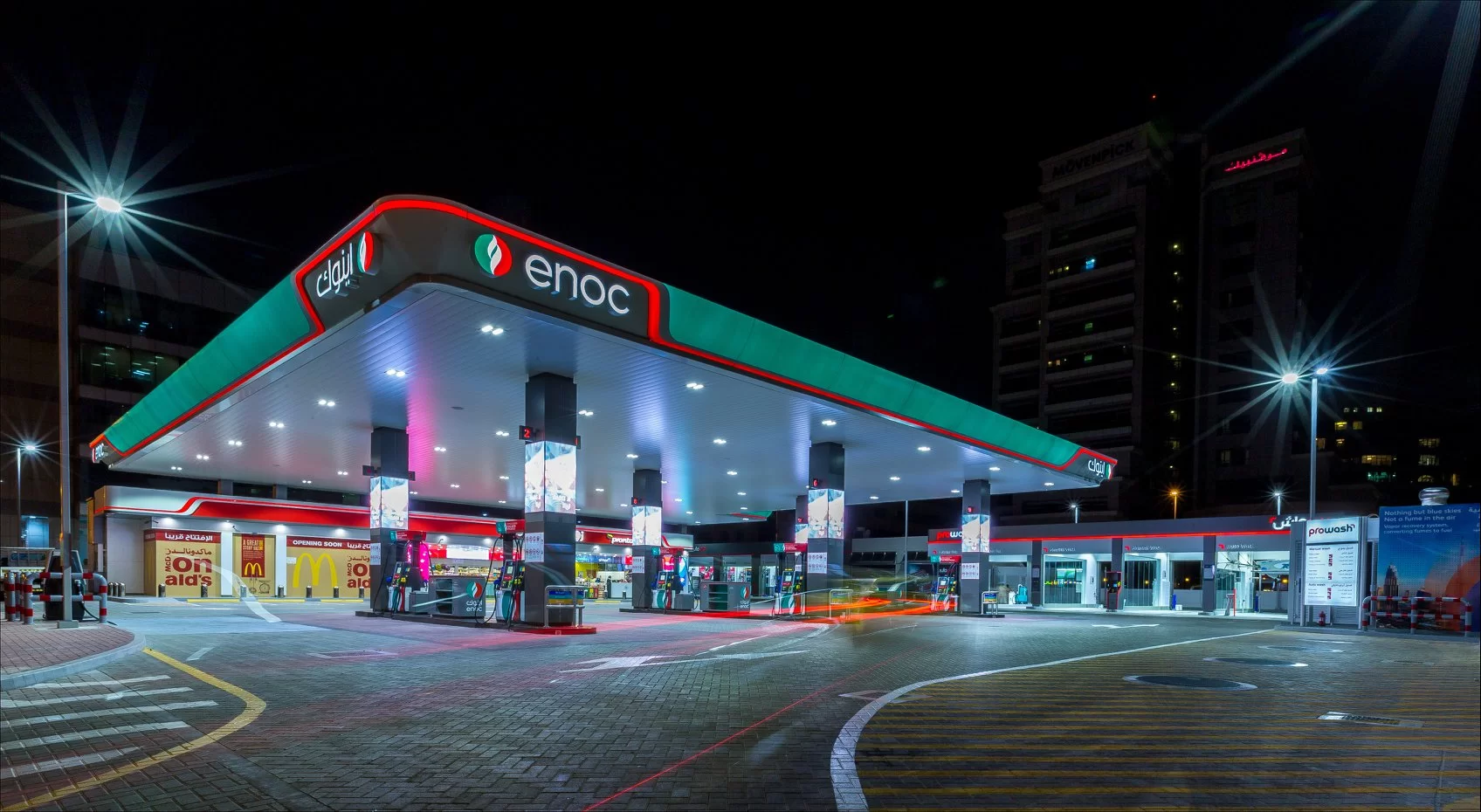
Yes, but in an indirect way. The UAE's shift to market-linked fuel pricing in 2015 was a deliberate policy choice to align domestic prices with global benchmarks and reduce the fiscal burden of subsidies on the government. Before deregulation, UAE fuel prices were heavily subsidised and largely insulated from global swings. Today, that protection no longer exists.
The monthly Fuel Price Committee review means that sudden global oil price shocks are absorbed in one go rather than gradually. This creates the perception of sharp, sudden increases at the pump — as seen in April 2026 — even though the underlying global price movement had been building for several weeks prior.
How Do UAE Fuel Prices Compare Globally?
Despite April's historic increase, UAE fuel prices remain significantly below the global average — particularly compared to Europe. The table below compares approximate petrol prices per litre across key markets in April 2026, all converted to AED for direct comparison.
| Country | Approx. Price per Litre (AED) | Notes |
|---|---|---|
| UAE | AED 3.20 – 3.39 | Market-linked, monthly review |
| USA | AED 4.02 | Low federal fuel tax |
| China | AED 4.92 | State-managed pricing |
| Norway | AED 7.68 | High carbon and fuel taxes |
| UK | AED 7.72 | Includes fuel duty + VAT |
| France | AED 8.62 | High excise taxes |
| Germany | AED 9.61 | Highest taxes in comparison |
The gap comes down to taxation, energy policy, and subsidy structures. European governments levy heavy fuel duties and carbon taxes, which inflate pump prices dramatically. UAE residents, even after April's surge, are still paying less than half of what drivers in Germany or France pay per litre. The increase feels significant locally because it was sudden and steep — not because the UAE's fuel is expensive in a global context.
Will Fuel Prices Continue to Rise in the UAE?
The short-term outlook points to continued volatility rather than a sustained decline. While a ceasefire has been announced, the IEA projects that oil flows through the Strait of Hormuz may not fully normalise until July 2026 due to shipping backlogs, tanker rerouting, and ongoing insurance restrictions on Gulf transit. Even if the geopolitical situation improves, global oil supply will take time to rebuild to pre-crisis levels.
The longer-term picture is more balanced. OPEC+ is reportedly considering easing production restrictions in Q4 2026, which could bring meaningful supply relief later in the year. For now, UAE drivers should plan their budgets around elevated fuel costs for at least the next two to three months and consider the fuel-efficiency steps outlined below.
- IEA: Hormuz oil flows may not normalise until July 2026
- Container and tanker backlogs could persist into Q3 2026
- OPEC+ may ease cuts in Q4 2026 — a potential downside catalyst for oil prices
- UAE Fuel Price Committee will continue monthly reviews; May 2026 rates remain uncertain
What Can UAE Drivers Do to Reduce Fuel Costs?
While you cannot control global oil prices, there are several practical steps that can meaningfully reduce your monthly fuel spend in the UAE. Some are immediate habits, others involve longer-term vehicle choices.
Short-Term Habits to Save Fuel Now
- Maintain correct tyre pressure — underinflated tyres increase rolling resistance and raise fuel consumption by up to 3%
- Avoid aggressive acceleration — smooth, gradual acceleration is significantly more efficient than hard throttle inputs
- Use cruise control on UAE highways — maintaining a steady 120 km/h uses considerably less fuel than constant speed variation
- Reduce unnecessary idling — the UAE's summer heat encourages extended engine idling; modern cars warm up faster when driven gently
- Plan routes to avoid peak congestion — stop-and-go traffic in Dubai and Abu Dhabi significantly increases fuel consumption in non-hybrid vehicles
- Remove unnecessary weight — roof racks, spare tyres, and heavy gear in the boot all increase the engine's workload
Long-Term Option: Switch to a More Fuel-Efficient Car
The most impactful long-term step is upgrading to a hybrid, plug-in hybrid, or electric vehicle. With UAE fuel prices now at historic highs, the return on investment for a fuel-efficient car has improved dramatically. A driver switching from a 12 km/l petrol SUV to a 25 km/l hybrid could save over AED 5,000–7,000 per year at current fuel prices.
Browse the most fuel-efficient new and used cars currently on sale in the UAE on YallaMotor:
- Toyota Corolla Hybrid — 30.3 km/l, from ~AED 100,000
- MG 8 PHEV — 30.1 km/l, from ~AED 91,000
- Toyota Camry Hybrid — 27 km/l, from ~AED 109,000
- BYD Song Plus PHEV — 25.6 km/l, from ~AED 120,000
- Hyundai Ioniq Hybrid — 25.6 km/l, from ~AED 105,000
FAQs
Why are fuel prices rising in the UAE in 2026?
The April 2026 surge is driven by the near-closure of the Strait of Hormuz following the US-Iran conflict, which cut global oil shipments by up to 95% through that route. Combined with OPEC+ output restrictions and strong global demand, this created the largest supply shock in decades, pushing crude oil toward USD 120 per barrel — which the UAE's market-linked pricing mechanism then reflected at the pump.
How much did UAE fuel prices increase in April 2026?
April 2026 marked the largest single-month fuel price increase in UAE history. Super 98 rose 30.9% to AED 3.39/litre, Special 95 rose 32.3% to AED 3.20/litre, and diesel surged 72.4% to AED 4.69/litre — a direct consequence of the Hormuz shipping crisis and global crude oil price spike.
Will fuel prices continue to rise in the UAE?
Volatility is expected to continue into mid-2026. The IEA does not anticipate full normalisation of Hormuz oil flows before July 2026. However, a potential OPEC+ production increase in Q4 2026 could bring some price relief in the second half of the year. UAE drivers should budget for elevated prices for at least the next two to three months.
Is UAE fuel still cheap compared to other countries?
Yes. Despite April's historic increases, UAE petrol at AED 3.20–3.39/litre is still less than half the price of fuel in Germany (AED 9.61/litre), France (AED 8.62/litre), or the UK (AED 7.72/litre). High taxation and carbon levies account for the vast difference between the UAE and European fuel prices.
What can I do as a UAE driver to reduce my fuel costs?
In the short term: maintain correct tyre pressure, drive smoothly, use cruise control on highways, and avoid unnecessary idling. For a long-term solution, switching to a hybrid or plug-in hybrid vehicle can save AED 5,000–7,000 annually at current fuel prices — significantly improving the return on investment for an upgrade.