
Importance of Spark Plugs: Signs of Damage and Cleaning Tips
Tags:
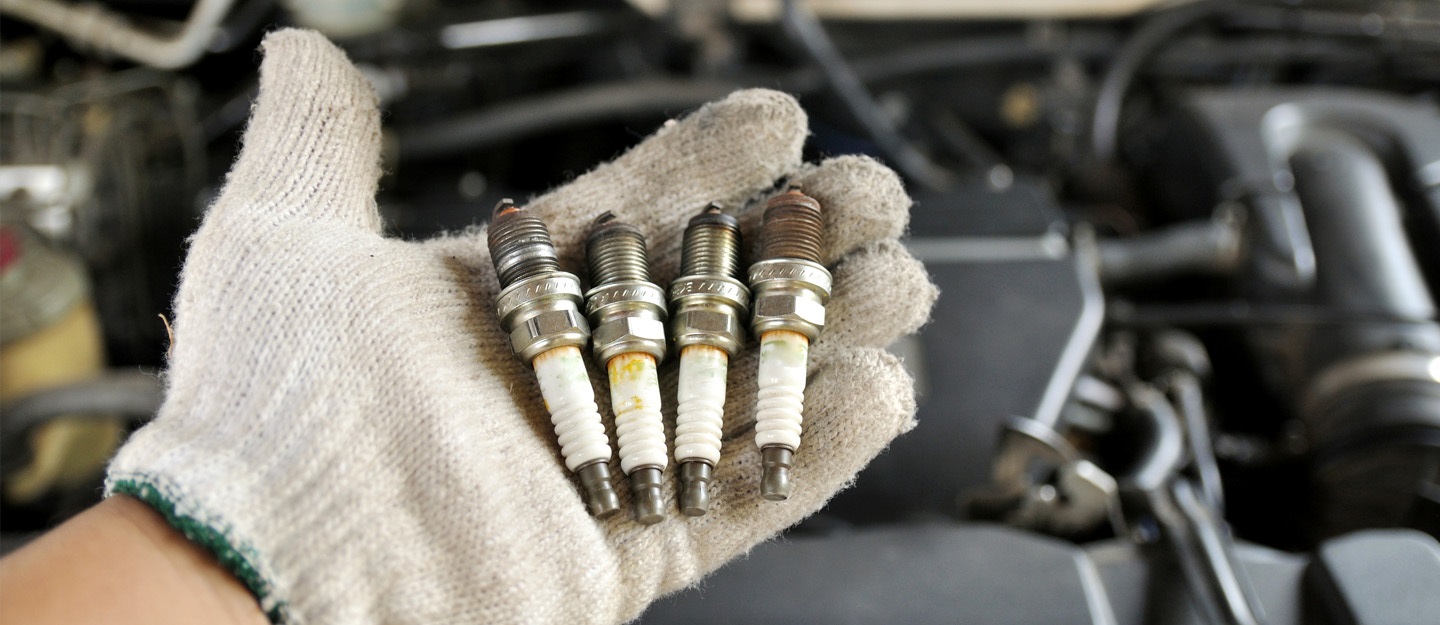
Fuel engines rely on combustion to generate the necessary power to move the vehicle. Spark plugs, or ignition plugs, are among the most critical components responsible for this process. Despite their small size, any malfunction can significantly impact engine performance. Continue reading to learn about the role of spark plugs, signs of damage, and how to clean them.
How Spark Plugs Work in a Vehicle
Spark plugs operate using electricity, as they are installed inside the engine's combustion chamber. When the vehicle is started, an electric current flows to the spark plugs, generating a spark in a very short time. This spark ignites the fuel within the combustion chamber, producing the energy needed to propel the vehicle.
When to Replace Spark Plugs
Due to exposure to high temperatures, spark plugs lose their efficiency over time. Manufacturers typically define their lifespan based on the number of kilometers driven, which ranges between 48,000 and 80,467 km. It is advisable not to neglect changing the plugs to avoid unexpected engine failures.
Signs of Spark Plug Damage
Before a spark plug completely fails, several signs indicate it needs to be replaced:
- Increased Fuel Consumption: This indicates excessive fuel being expelled without burning, leading to higher fuel costs.
- Engine Misfiring: The engine may produce unusual sounds due to irregular spark plug performance.
- Poor Acceleration: Improper combustion results in reduced engine performance.
- Difficulty Starting the Vehicle: Damaged plugs hinder the generation of the spark necessary to start the engine.
- Engine Vibration at Idle: This occurs due to irregular combustion.
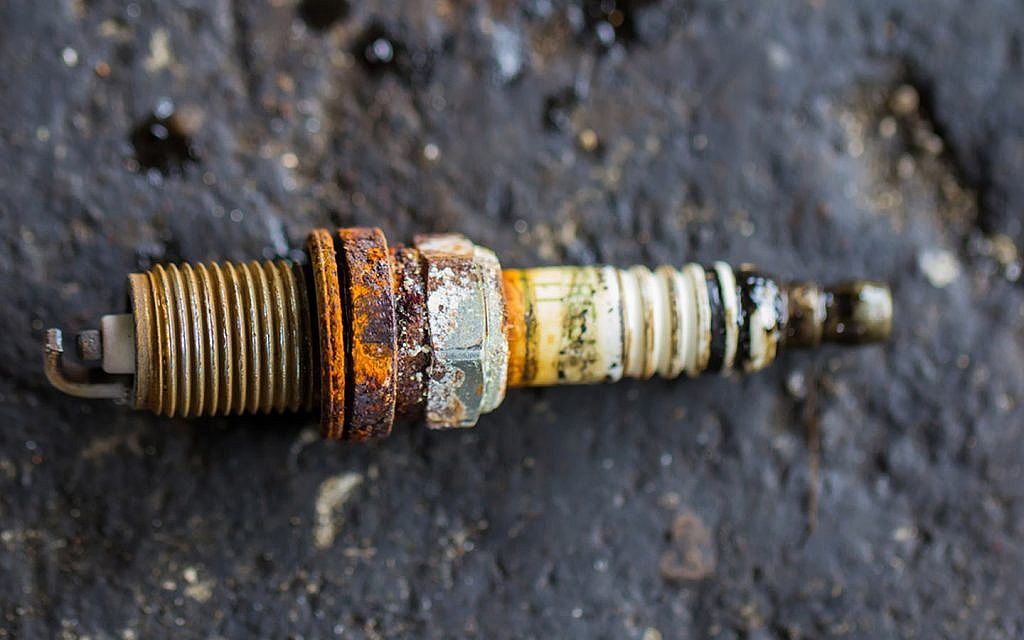
- Carbon Deposits on Spark Plugs: This indicates dirt accumulation and the need for replacement.
Cleaning Spark Plugs
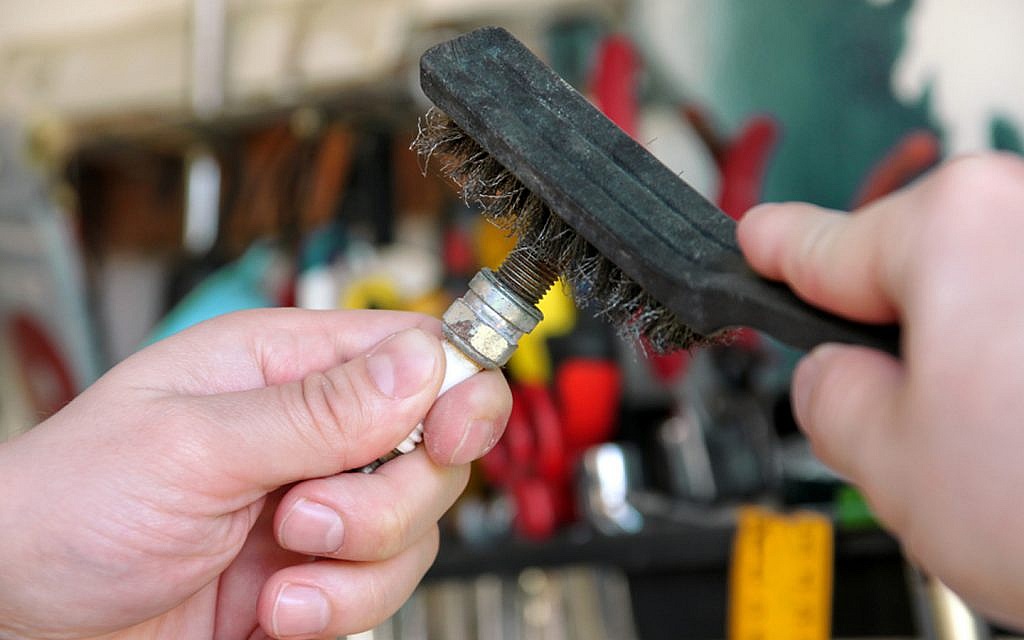
Cleaning spark plugs is recommended to remove accumulated carbon that affects their efficiency. Here are the steps to clean spark plugs:
- Remove the Plugs: Use a hex wrench to loosen the plugs counterclockwise.
- Soak the Spark Plug Heads in Gasoline: Place them in a container with gasoline to dissolve the carbon.
- Burn the Spark Plug Heads: Use a lighter to burn the heads to melt away carbon and rust.
- Sanding: Rub the metallic part with sandpaper until it returns to its natural color.
Conclusion
In this article, we explored the importance of spark plugs in the engine, signs of their wear, and how to clean them. For more information on car parts and maintenance, you can visit the spare parts and maintenance section to find useful articles.
