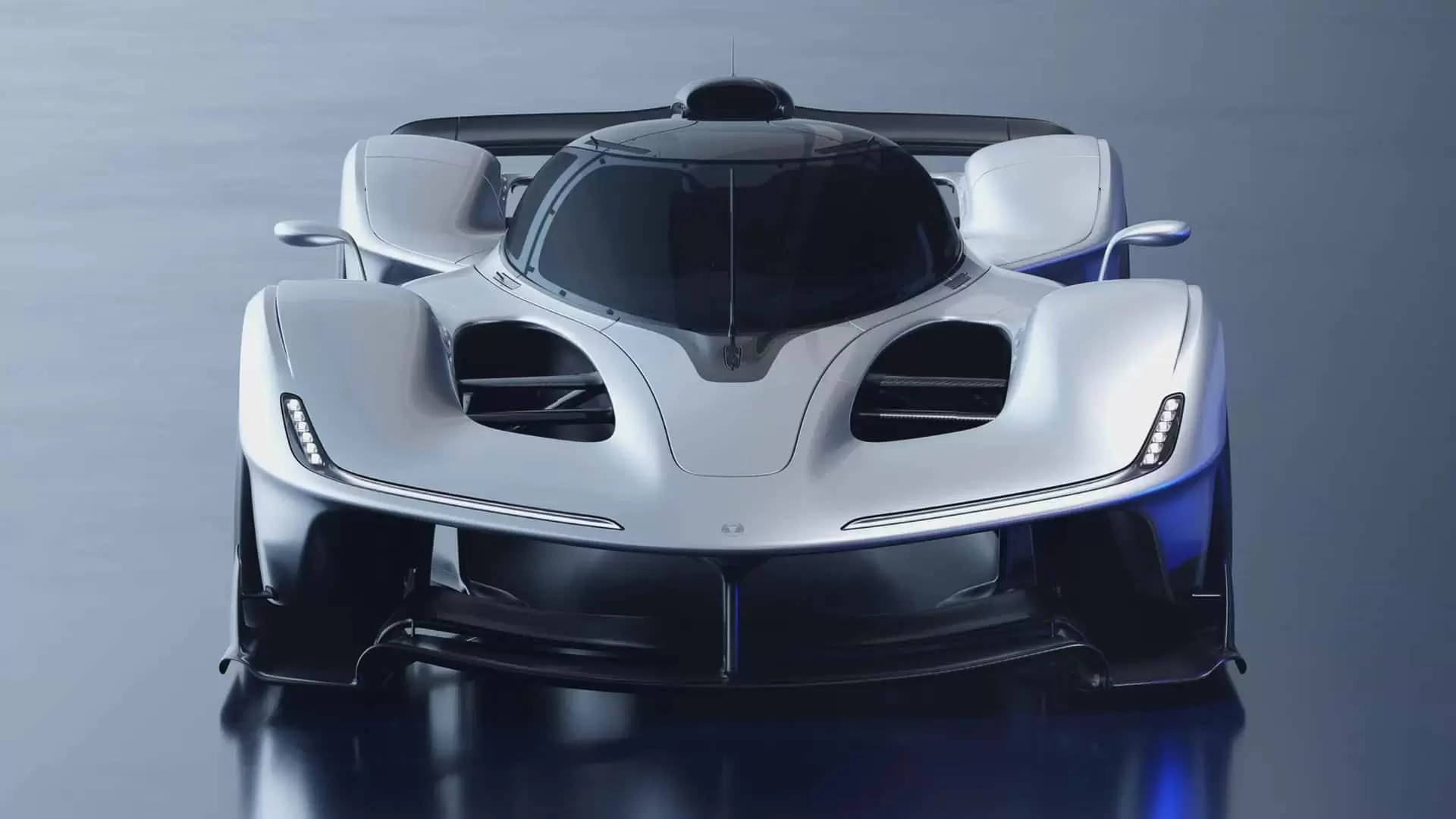
It is rare that a car becomes a legend before a single customer has even driven it. But then again, the Red Bull RB17 is not a normal car. It is the unconstrained vision of Adrian Newey, arguably the greatest racing car designer who ever lived, and it serves as his parting gift to the team he helped build an F1 dynasty.
Red Bull has now pulled the covers off the final production specification of the RB17. While the concept we saw at Goodwood gave us the broad strokes, this "V2.0" version fills in the details. It is sharper, more refined, and thanks to some late-stage interventions by Newey himself, even more mechanically complex.
The Ultimate Adrian Newey sendoff
The transition from concept to production often involves watering things down. Mirrors get bigger, wheels get smaller, and the exciting bits get strangled by regulations. The RB17 has bucked this trend. The final design is, if anything, more aggressive.

The most noticeable changes are functional. The front end now sports distinctive L-shaped "hockey stick" LED headlights, giving the car a face that was missing on the prototype. There are now proper wing mirrors and a windscreen wiper—small nods to usability in a machine designed to tear your face off with 5G of cornering force.
But the biggest change sits at the back. In a move characteristic of his obsessive attention to detail, Newey ordered the exhaust system to be relocated to the spine of the engine cover just before the design was locked.
This shift required a massive rework of the thermal management to prevent the car from catching fire, but the result is cleaner airflow and a tighter rear package. A prominent "sailfish" fin now dominates the engine cover, aiding stability at the car’s theoretical top speed of over 217 mph.
The Last Great V10?
At its heart sits a bespoke 4.5-litre naturally aspirated V10 developed by Cosworth.
The numbers are ridiculous. The engine revs to a stratospheric 15,000 rpm. For context, a modern Formula 1 car is limited to 12,000 rpm. It produces 1,000 bhp on its own, with a further 200 bhp provided by a small electric motor that also handles reverse gear and torque-filling duties.
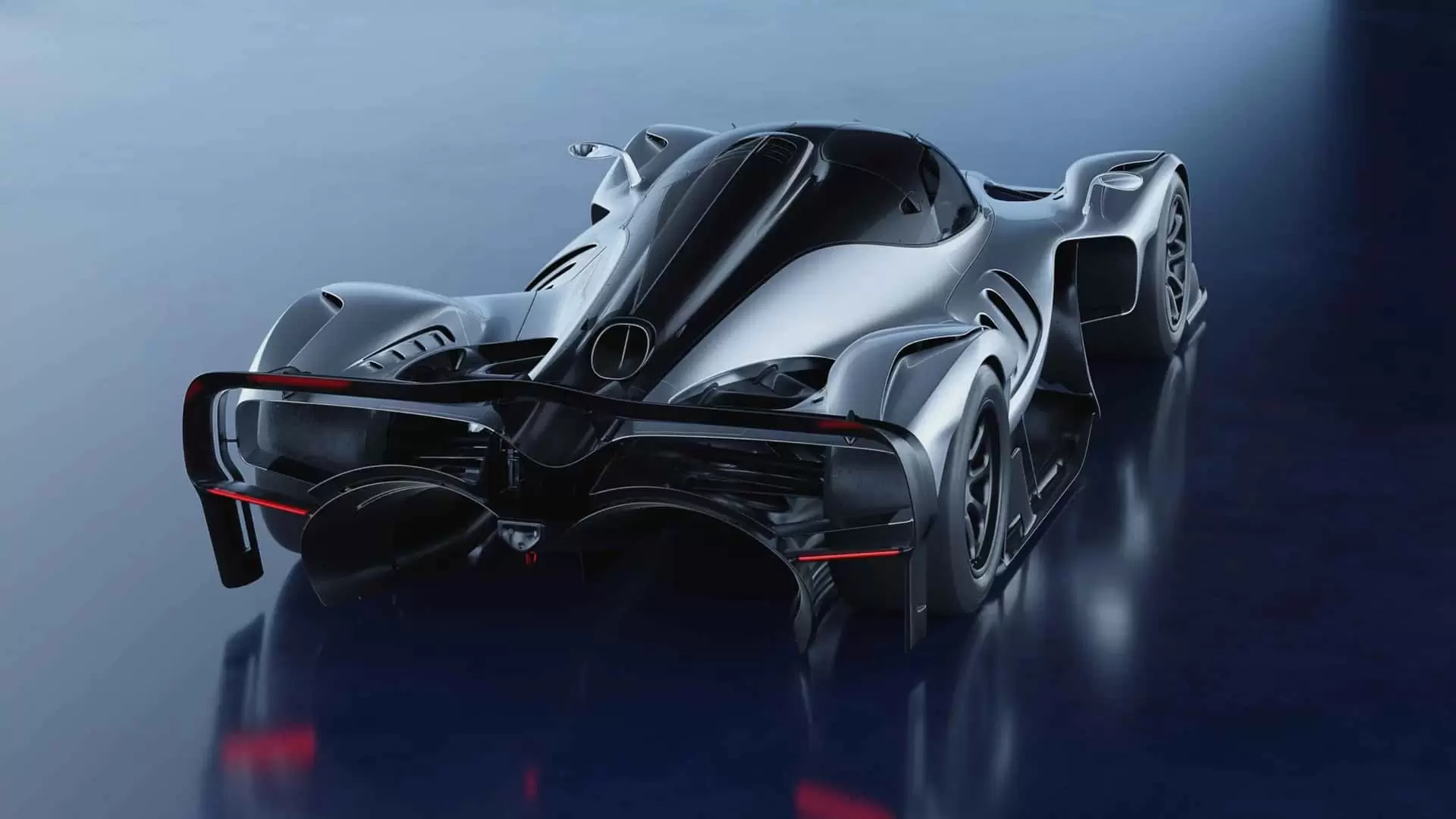
Total output stands at 1,200 bhp. When you consider that the car weighs less than 900 kg, the power-to-weight ratio enters territory usually reserved for guided missiles. Red Bull claims it will be capable of lap times that rival current Formula 1 machinery.
Inside the Cockpit
The interior of the RB17 is properly race-car oriented. There are no massive touchscreens or haptic feedback panels here. The team decided that when you are managing Formula 1 levels of downforce, you do not want to be fumbling through a sub-menu to adjust the traction control.
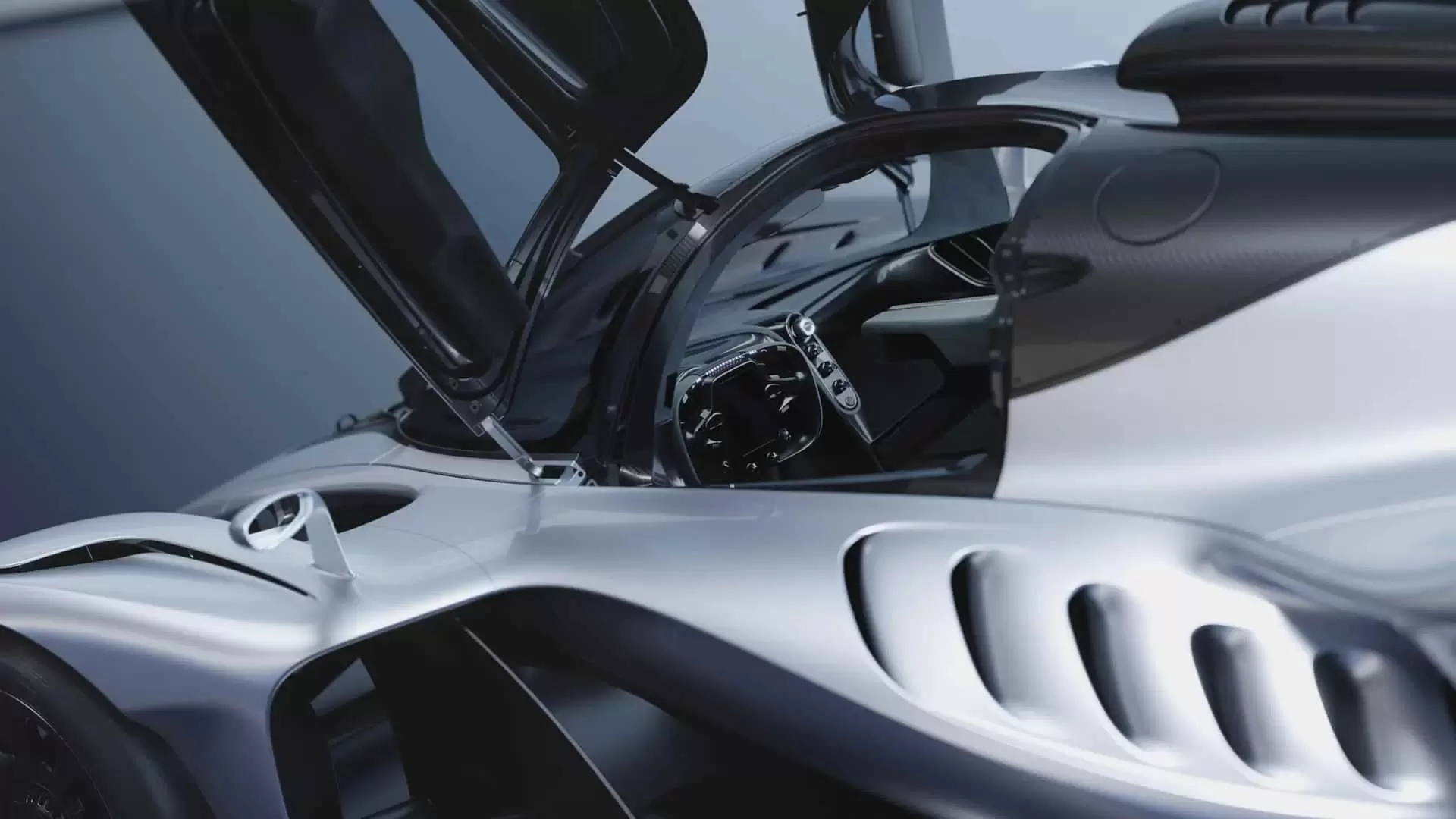
Instead, the cabin features tactile physical knobs and a rectangular steering wheel with a built-in display, much like the one Max Verstappen uses on a Sunday. The seating position is proper F1-style too, with your feet raised high, mimicking the lay-down posture of a single-seater driver.
Newey’s Legacy
The RB17 is poignant because it marks the end of an era. Adrian Newey has officially left Red Bull for Aston Martin, but he remained available as a consultant to see this project across the line. The RB17 is basically his "greatest hits" album.
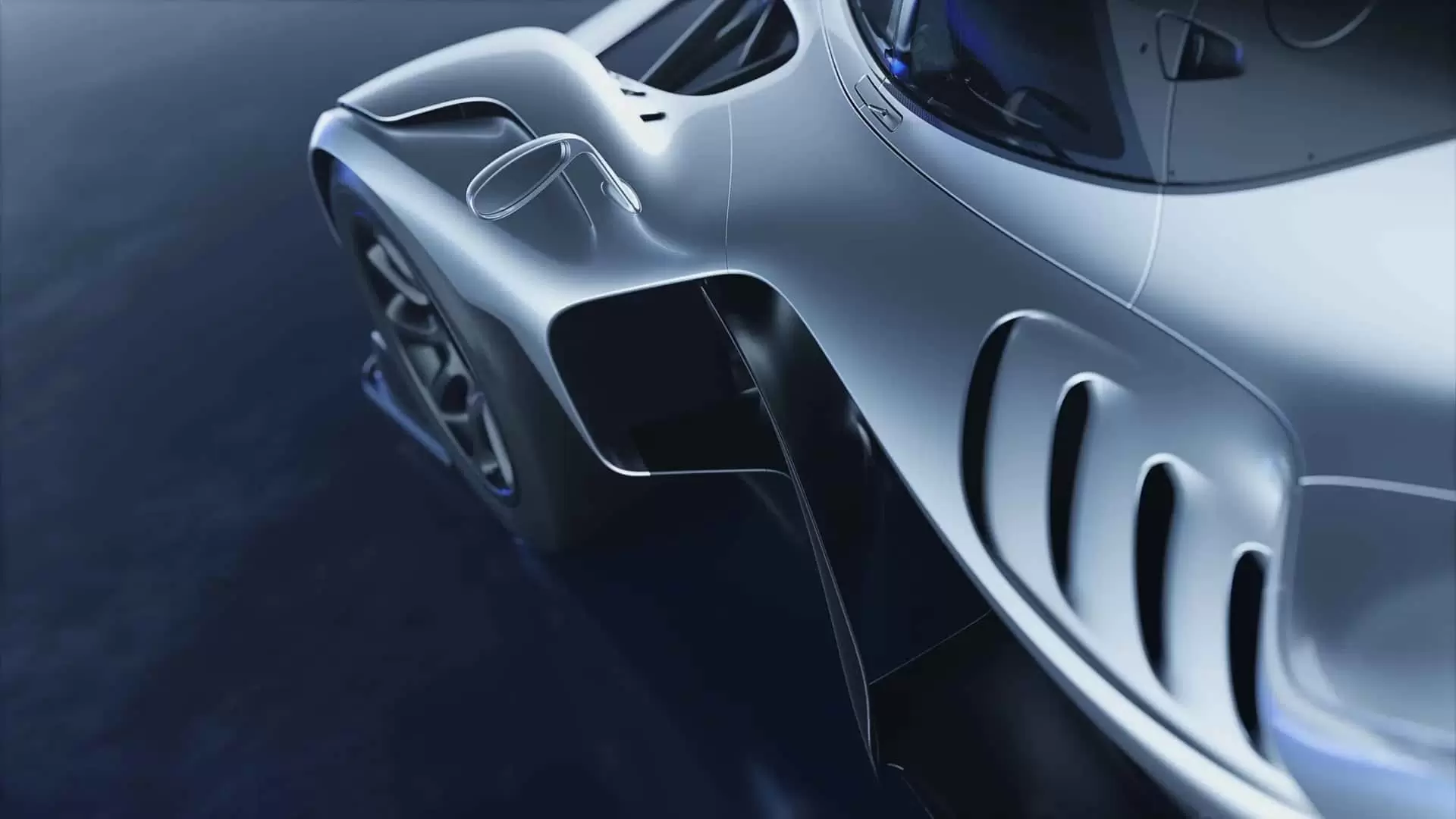
Only 50 units will be built, each one costs around £5 million and, surprise surprise, all have been allocated.
Here is the final spec sheet for the RB17:
|
Specification |
Details |
|
Engine |
4.5-Litre Naturally Aspirated V10 |
|
Rev Limit |
15,000 rpm |
|
Total Power |
1,200 bhp (1,000 ICE + 200 EV) |
|
Weight |
< 900 kg |
|
Production Run |
50 Units |
|
Price |
~£5 Million |
|
Top Speed |
> 217 mph (350 kph) |
FAQs
Is the Red Bull RB17 road legal?
No. The RB17 is a track-only hypercar. It does not meet the safety or emissions regulations required for road use, which allowed the designers to push the aerodynamics to the absolute limit.
Who designed the RB17?
The car is the creation of Adrian Newey, Red Bull’s legendary Chief Technical Officer. Although he has since moved to Aston Martin, he oversaw the project from concept to the final design phase.
What engine does it use?
It uses a 4.5-litre naturally aspirated V10 engine built by Cosworth. It is widely regarded as one of the most extreme combustion engines ever put into a production car, capable of 15,000 rpm.
How many will be made?
Production is strictly limited to 50 units. Every single one has already been sold to selected customers.
When will customers get their cars?
Production is expected to begin in 2026, with deliveries following shortly after. Owners will also get access to simulator training and track days to learn how to handle the car’s immense performance.