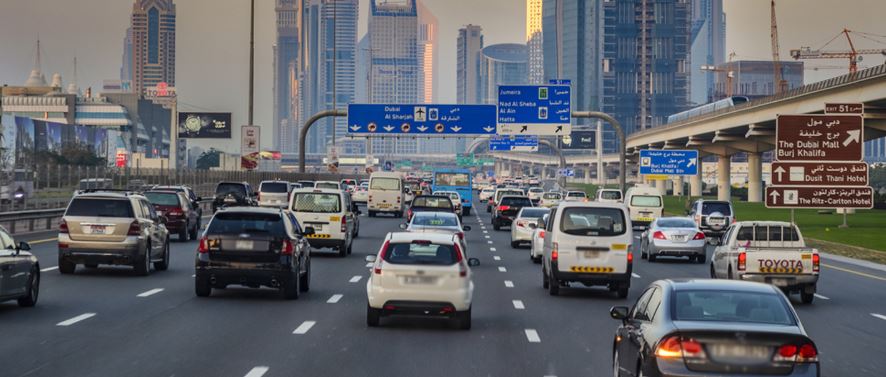
The GCC countries constitute a haven for motoring enthusiasts with a network consisting well-paved and high quality roads. Moreover, these nations also feature some of the most surreal vehicles in the world. Such an environment makes it plausible for motorists to drive at illicitly high speeds that can endanger their and other road users’ lives. This paved the way for Governments of GCC nations to chart out an elaborate framework of speed limit regulations that have revised from time to time to instil and embolden a sense of safety in everyone. Here is a country-wise update on speed limit regulations across the GCC.
UNITED ARAB EMIRATES
The UAE is a country with a vast freeway network that is designed to connect all major roads across the Emirates in the least time possible. Every Emirate has its own rules with regards to the maximum and minimum speed limits, where applicable. Moreover, the speed limit also varies with the type of vehicle. Heavy vehicles need to abide by lower speed limit than light vehicles visualizing the element of risk.
The highest speed limit bandwidth for light vehicles is 60 Km/h to 120 Km/h, based on whether the road is within city precincts or freeway. Barring Abu Dhabi, every Emirate has a buffer of 20 Km/h above the speed limit. Crossing the buffer will lead to penalties and fines.
Heavy vehicles can traverse at speeds between 60 Km/h and 80 Km/h depending on the type of road. Certain commercial vehicles are not permitted on the freeway during specific time. To make movement of all road users easier, a bevy of freeways have certain lanes dedicated to heavy vehicles such as trucks and lorries.
An advantage for UAE road users is that destinations, signs and speed limits are well marked on every road. This goes a long way to drive safely and avoid heavy fines and punishments.
BAHRAIN
The country of Bahrain has imposed a speed limit of 100-120 Km/h for freeways while that for urban roads is prescribed at 50-80 Km/h, basis the type of road, surface, number of lanes, proximity to risk-prone areas such as mountains and so on. Generally, driving within city boundaries should happen at 60 Km/h, outside cities shouldn’t exceed 100 Km/h and the motorway limit is affixed at 120 Km/h.

KUWAIT
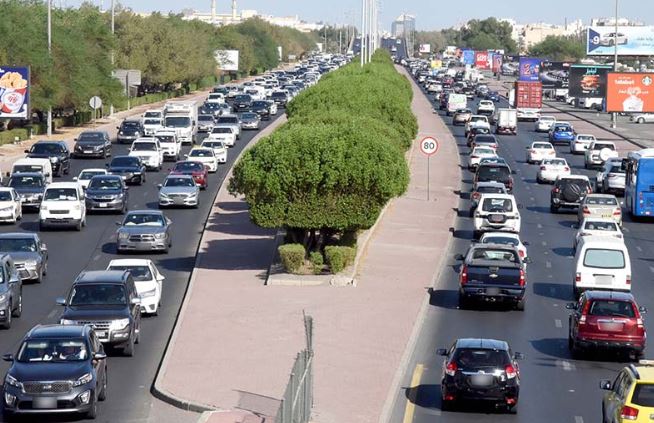
The Right Hand Drive (RHD) country of Kuwait has elicited speed limits not just based on the type of road, but also area. Driving here will require a 1968 International Driving Permit and one’s own driving license to drive at speeds not exceeding 120 Km/h on highways, 50-80 Km/h on rural roads and 45 Km/h in urban areas. Driving at moderate speeds is possible in Kuwait as from the 6500 Km road network, 4900 Km is paved. There is a profusion of multi-lane highways.
OMAN
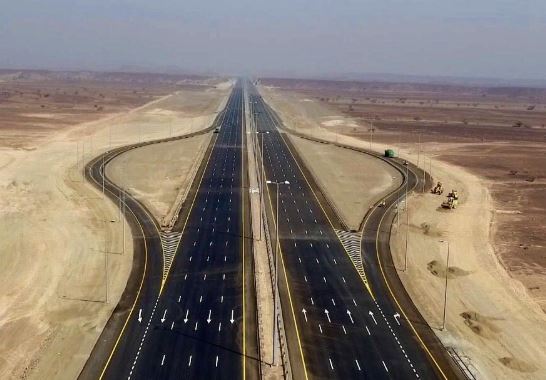
Oman is a country featuring diverse landscapes and relief features. The authorities have prescribed a speed limit of 40-60 Km/h in urban areas, 100-120 Km/h in rural areas and 120-140 Km/h along freeways. It should be noted that the earlier imposed globally recognized grace limit of 15 Km/h has been done away with and no longer applies. Hence, it is essential to strictly adhere to the speed limit. Like UAE, light vehicles can go upto 120 Km/h in Oman but trucks couldn’t exceed 100 Km/h on some roads.
QATAR
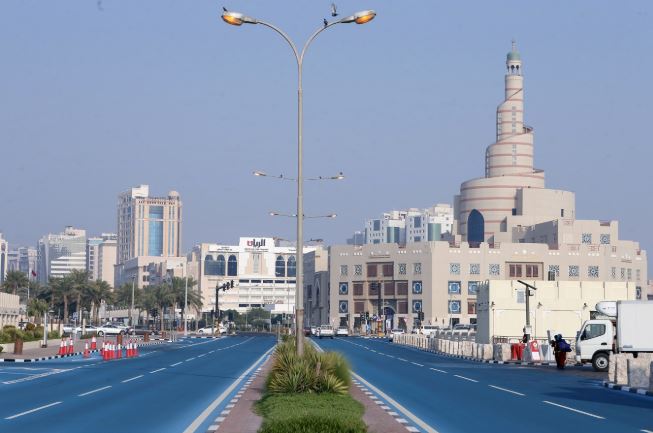
In tandem with speed limits in other GCC countries, Qatar has also ruled a speed limit of 60-100 Km/h on city roads and maximum 120 Km/h on freeways. Light cars and motor cycles in cities, villages and populated areas can not go beyond 100 Km/h. Heavy vehicles in cities, villages and populated places cannot go beyond 50 Km/h and 80 Km/h on outer roads.
KINGDOM OF SAUDI ARABIA
In Saudi Arabia, injunction by the Government states that the maximum permissible speed limit for cars stands at 140 Km/h, 100 Km/h for buses and 80 Km/h for trucks on the four major highways in the country. However, authorities have informed drivers that the higher speed limits were for a fraction of the highway and they are required to obey the limit as mentioned on the board.