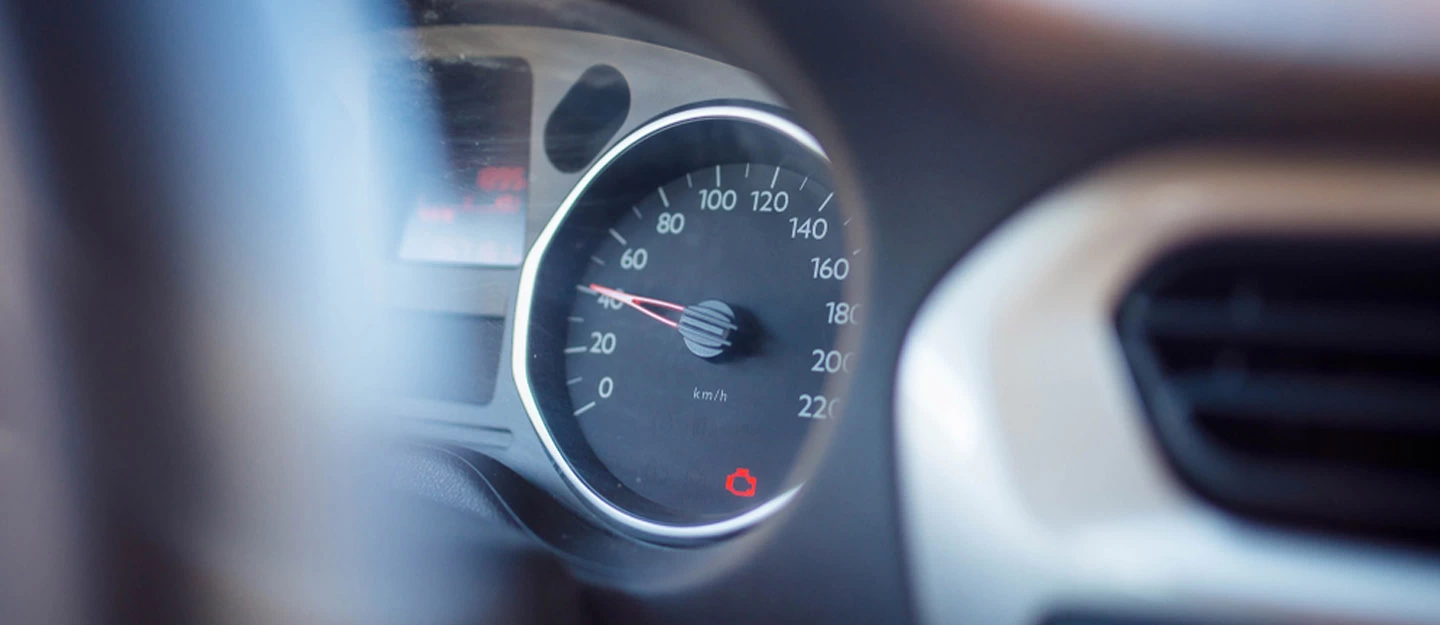
Warning lights in vehicles serve as early diagnostic tools for detecting faults. The technological advancements in car manufacturing have greatly enhanced this feature, alerting drivers to electrical or mechanical issues within various systems of the car. One of the most significant and common warning lights is the Check Engine light, which indicates a problem with the engine. The appearance of this light often causes concern among drivers, as no one wants to deal with engine troubles. In this article, we will discuss the reasons behind the Check Engine light and how to resolve the issue in some cases.
What Causes the Check Engine Light to Illuminate?
If the Check Engine light appears on your vehicle's dashboard, it's crucial not to ignore it under any circumstances. The cause of this warning light may range from a simple issue to a more complex problem with the engine. Let’s explore the most common reasons for the Check Engine light activation and how to turn it off in some instances.
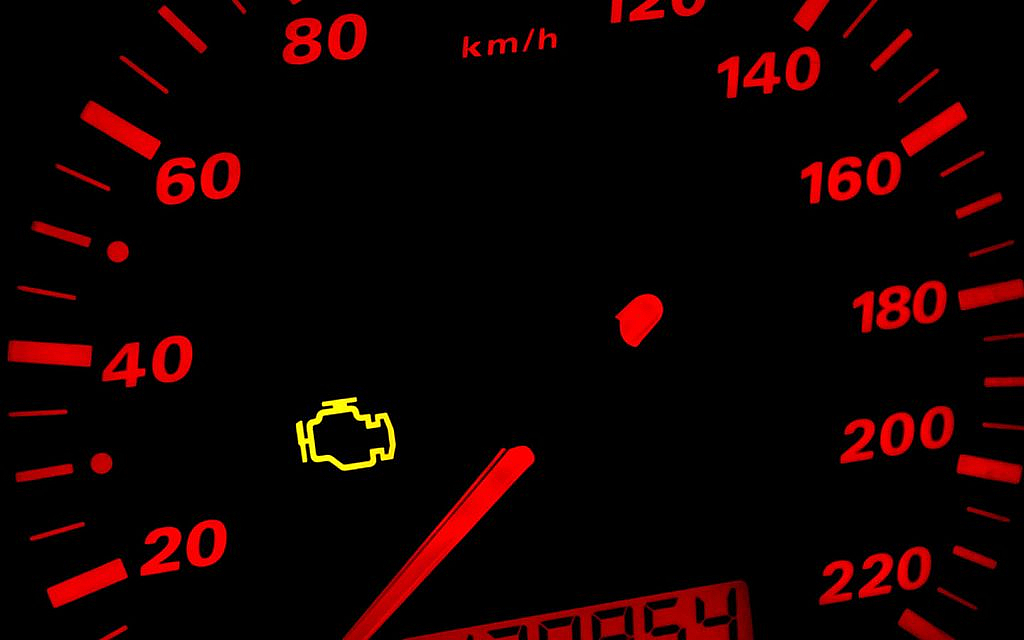
Common Causes of the Check Engine Light
As mentioned earlier, the Check Engine light can illuminate due to a problem in the engine or its related systems, making it somewhat challenging to identify the root cause. However, we will narrow down the most common reasons for the Check Engine light in vehicles:
- Oxygen Sensor Issue: This sensor measures the oxygen level in the exhaust system. A malfunction typically leads to reduced engine performance and increased fuel consumption.
- Air Sensor Failure: This sensor measures the amount of air in the combustion chamber to determine the necessary fuel amount for the combustion process.
- Fuel Cap Malfunction: An improperly sealed fuel cap can lead to pressure issues within the fuel system.
- Filter Problems: Issues with any of the filters (air, fuel, or oil) can impact the engine's combustion system, triggering the Check Engine light on the dashboard.
- Ignition Coil or Spark Plug Issues: Problems in the ignition system can result in slow engine start and illumination of the Check Engine light.
How to Resolve the Check Engine Light Issue
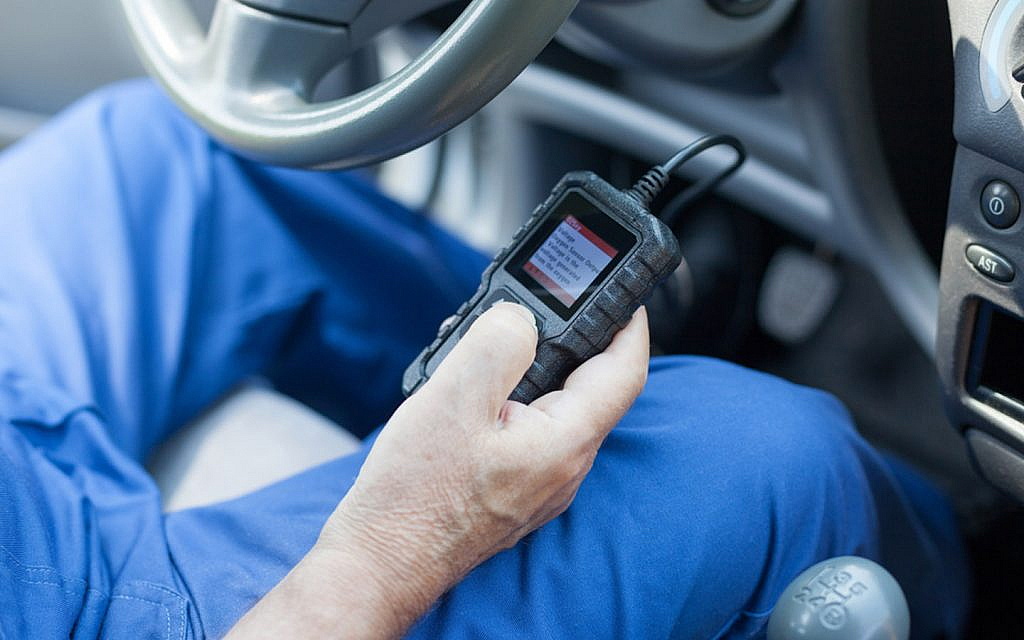
As previously mentioned, the Check Engine light can indicate various issues with the engine or its systems, making it difficult to pinpoint the exact cause. Here are some steps that may help turn off the Check Engine light:
- Secure the Fuel Cap: Make sure the fuel cap is tightly closed and wait a moment to avoid any pressure issues.
- Reduce Engine Strain: Decrease speed and offload any excess weight while driving.
- Disconnect the Battery: Remove one battery terminal for at least half an hour, then drive normally, as the Check Engine light may illuminate due to a computer error.
- Use a Diagnostic Scanner: A scanner can read the fault codes in the vehicle.
When to Visit a Service Center?
If the above methods do not turn off the Check Engine light, it is advisable to visit a reputable service center with experienced professionals who can properly address the engine issues. Some faults may be simple and easily resolved, while others might require professional intervention to prevent escalation of the problem.
Tips to Prevent Check Engine Light Issues
To avoid the Check Engine light coming on in the future, consider following these preventive tips:
- Conduct regular inspections of your vehicle at authorized service centers.
- Use original parts when replacing any components in the car.
- Ensure timely replacement of filters (air, fuel, oil).
- Be attentive to any changes in engine performance or increased fuel consumption.
Frequently Asked Questions (FAQ)
1. How many warning lights are on a car's dashboard?
The number of warning lights on a vehicle's dashboard varies by model and brand. Generally, the dashboard includes several warning lights such as the Check Engine light, battery light, oil light, and others. The total can range from 10 to 20 warning lights.
2. What are the most common car warning lights?
The most common warning lights in vehicles include:
- Check Engine Light
- Battery Light
- Oil Light
- Brake Light
- Fuel Light
3. What causes the Check Engine light to appear in a vehicle?
Common causes for the Check Engine light include oxygen sensor issues, air sensor failure, fuel cap malfunctions, or ignition coil problems.
4. How can I turn off the Check Engine light?
You can turn off the Check Engine light by securely closing the fuel cap, disconnecting the battery temporarily, or using a diagnostic scanner.
5. What does it mean when the battery light appears in red?
The appearance of the battery light in red indicates a problem with the charging system or the battery itself. The system should be inspected immediately to avoid vehicle breakdown.
Conclusion
In conclusion, we’ve explored the main causes for the Check Engine light and how to address the issue. While some solutions may be straightforward, if you prefer not to handle the problem yourself, it is recommended to visit a reliable service center for assistance. We wish you safe driving without any future issues.
Are you looking for a used car for sale in Dubai or a new car for sale in Dubai?