
Understanding Car Batteries: Types, Maintenance, and Lifespan
Tags:
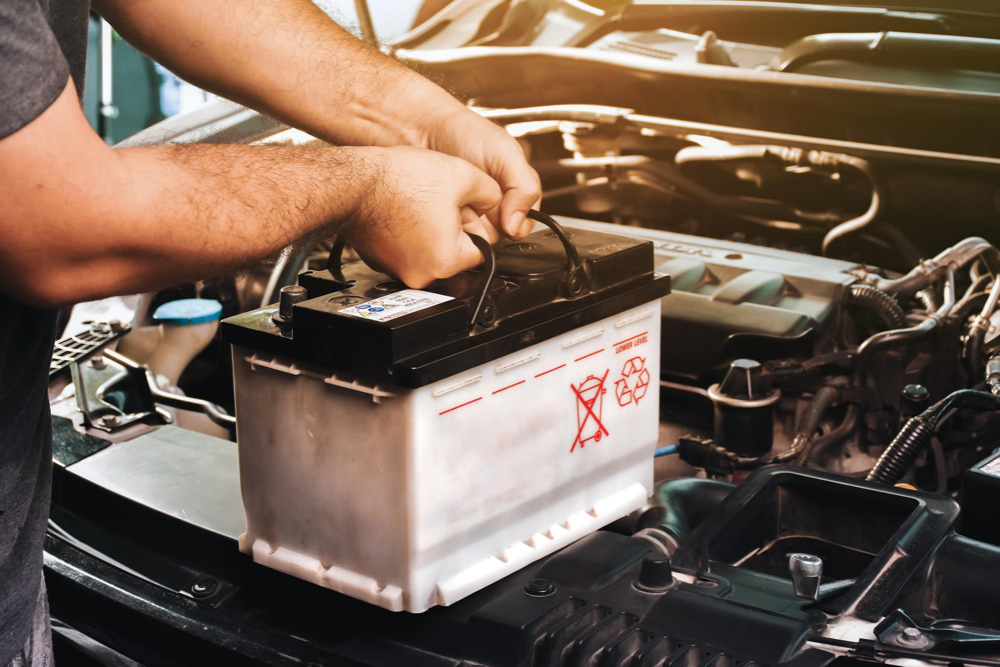
A car battery is the heart of its electrical system, responsible for starting the engine, powering the lights, and running electronic accessories. Without it, your car will come to a halt, and you won't be able to drive. In this article, we will cover everything you need to know about car batteries, including their types, causes of failure, maintenance tips, and how to extend their lifespan.
What is a Car Battery and How Does It Work?
A car battery is not just a "black box" next to the engine; it's a crucial component that powers your vehicle. The battery converts chemical energy into electrical energy, supplying the necessary power to the engine and electrical systems. It consists of multiple cells containing lead plates submerged in sulfuric acid, generating electricity through a chemical reaction between these elements.
Types of Car Batteries
When purchasing a new battery, you'll find several different types, each with its advantages and disadvantages. Here are the most common types of car batteries:
1. Lead Acid Batteries
- Most commonly used in traditional vehicles.
- Cost-effective but heavy and requires regular maintenance.
- Contains lead plates and lead oxide submerged in sulfuric acid.
2. Lithium-Ion Batteries
- Lightweight with a longer lifespan.
- No maintenance required, but they are more expensive.
- Often used in electric and hybrid vehicles.
3. Absorbent Glass Mat (AGM) Batteries
- Provides high performance and withstands vibrations and heat.
- Suitable for vehicles with many electronic systems.
- Lasts longer than traditional batteries but is relatively more expensive.
4. Gel Batteries
- Maintenance-free and suitable for hot environments.
- Uses a gel electrolyte instead of liquid, reducing the risk of leakage.
Causes of Car Battery Damage
Several factors can lead to car battery damage before its expected lifespan ends, including:
- Overcharging – This leads to gradual corrosion and damage to the battery plates.
- Continuous Discharge – Leaving lights or the radio on while the engine is off drains the battery.
- High Temperatures – Excessive heat accelerates the evaporation of fluids inside the battery, reducing its lifespan.
- Poor Electrical Connections – Any short circuit or damage to connections can negatively affect battery performance.
- Not Using the Vehicle for Extended Periods – Leaving the car unused for long periods can gradually deplete the charge.
How to Maintain Your Car Battery and Extend Its Lifespan
To keep your battery lasting as long as possible, follow these tips:
Regularly check the charge level using a voltage meter.
Clean the battery terminals of any corrosion and rust with a mixture of water and baking soda.
Ensure that electrical cable connections are secure to prevent power loss.
Avoid frequent short trips, as running the engine for short periods does not allow the battery to recharge fully.
Use an external battery charger if you won't be using the vehicle for a long time.
Frequently Asked Questions About Car Batteries
What is the average lifespan of a car battery?
The average lifespan of a car battery ranges from 3 to 5 years, but it depends on usage and maintenance.
How do I know if my battery is starting to fail?
- Delayed engine start.
- Dim headlights.
- Battery warning light on the dashboard.
Can the battery be recharged if it runs out?
Yes, the battery can be recharged using an external charger, but if the battery is old or severely damaged, it's best to replace it.
What are the most popular brands of car batteries?
Some well-known brands include:
- AC Delco
- DieHard
- Odyssey
- Exide
- Optima
A car battery is an essential component that cannot be overlooked. Understanding how it works and how to maintain it helps prevent unexpected breakdowns. If you notice any signs of weakness in your battery, don’t hesitate to have it checked or replaced to keep your vehicle performing at its best.
Read also:

