
Understanding Tire Pressure Monitoring Systems (TPMS): Importance of Air Pressure Maintenance
Tags:
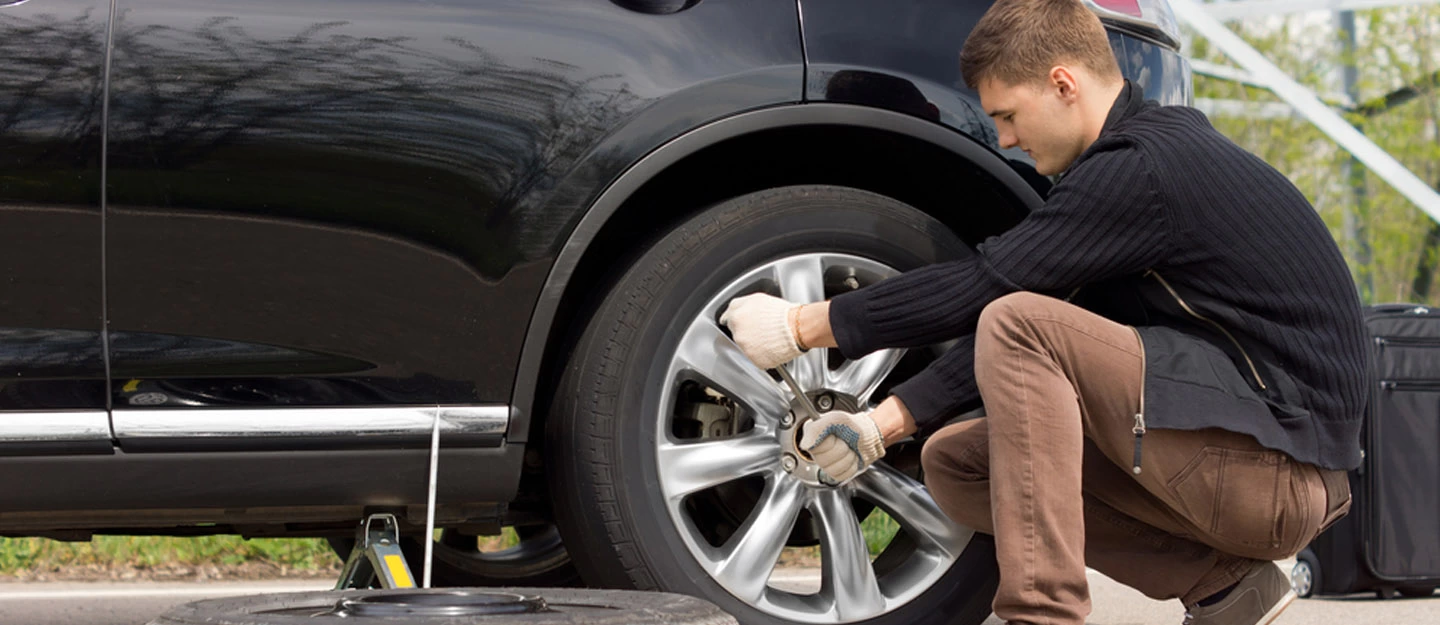
Tire pressure issues are among the most common problems faced by drivers, especially with the fluctuating weather in the UAE. In this article, we will explore how the Tire Pressure Monitoring System (TPMS) works, its types, and tips for maintaining optimal air pressure for your vehicle's tires.
What is the Tire Pressure Monitoring System (TPMS)?
The Tire Pressure Monitoring System (TPMS) is a technology designed to monitor the air pressure in your vehicle's tires individually. When the pressure drops below the manufacturer's recommended level, the system sends an alert to the dashboard.

How the TPMS Works
- The pressure of each of the four tires is measured through sensors installed in the wheels.
- Pressure data is sent to the vehicle's computer.
- A warning is displayed on the dashboard when the pressure deviates from the normal range.
Types of Tire Pressure Monitoring Systems
1. Direct TPMS
This system relies on sensors installed inside each tire to accurately monitor pressure. When the pressure drops below 25 PSI, a warning is displayed for the driver.
| Disadvantages | Advantages |
|---|---|
|
Higher maintenance costs Greater electronic complexity |
Accurate air pressure readings Individual monitoring for each tire |
2. Indirect TPMS
This system operates through the Anti-lock Braking System (ABS) sensors, monitoring wheel rotation speed to determine air pressure.
| Disadvantages | Advantages |
|---|---|
|
Lower maintenance costs No additional sensors required |
Lower maintenance costs No additional sensors required |
Optimal Tire Air Pressure
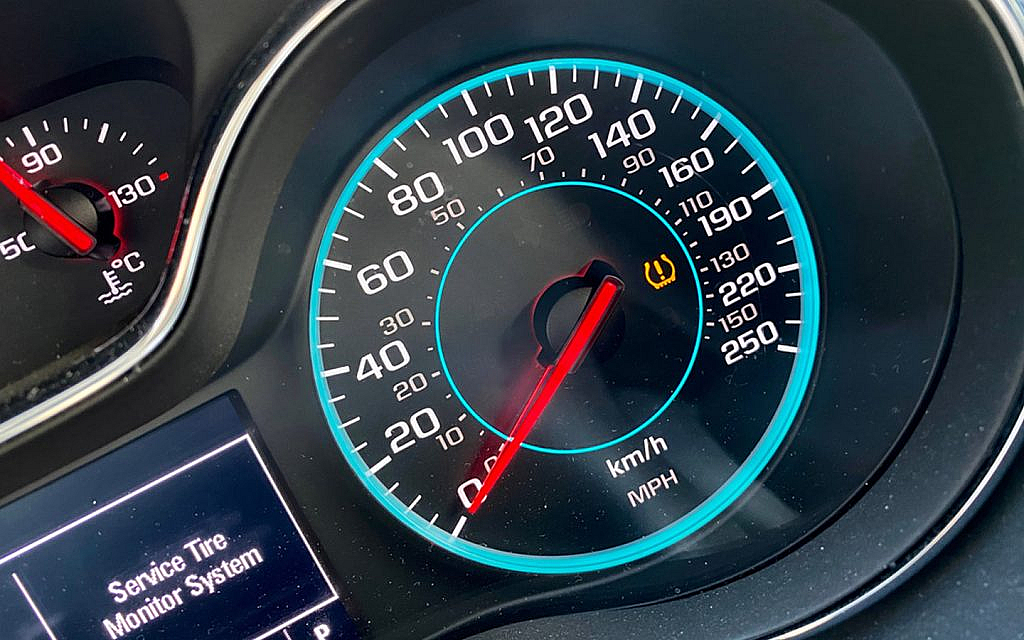
The ideal tire pressure ranges between 30 and 35 PSI. You can find the recommended pressure for your vehicle in:
- The vehicle owner's manual
- A sticker on the driver's side door
- Inquiries with an authorized dealer
Impact of Temperature on Tire Pressure
Tire Pressure in Summer
With rising temperatures in the UAE, air inside the tires expands, which may lead to:
- Increased air pressure beyond safe limits
- Accelerated rubber wear
- Higher risk of tire blowouts
Tire Pressure in Winter
Lower temperatures cause the air to contract, resulting in:
- Decreased tire pressure
- Increased fuel consumption
- Negative impact on the suspension system
Benefits of the Tire Pressure Monitoring System
1. Enhanced Road Safety
The system reduces the risk of accidents caused by tire blowouts or loss of control due to improper air pressure.
2. Improved Fuel Efficiency
Properly inflated tires reduce rolling resistance, improving fuel efficiency by up to 3%.
3. Extended Tire Lifespan
Maintaining correct pressure prevents uneven wear and can extend tire lifespan by up to 25%.
Causes of Tire Blowouts
Even with a TPMS, tires may blow out due to:
- Overloading the vehicle
- Driving at high speeds
- Bald or worn tires
- Driving on rough roads
- Ignoring TPMS warnings
Tips for Maintaining Your Vehicle's Tires
- Check tire pressure monthly and after significant weather changes
- Use a digital tire pressure gauge
- Keep a portable air pump in your vehicle
- Replace tires when tread depth reaches 1.6 mm
- Inspect inner tires in four-wheel-drive vehicles
Are you looking for used cars for sale in Dubai or new cars for sale in Dubai?
