
Do electric cars overheat like regular cars?
Electric cars can overheat, but the process and risks are different from traditional internal combustion engine (ICE) vehicles. Unlike petrol or diesel engines, EVs generate heat primarily from their batteries, motors, and power electronics.
Modern electric vehicles are equipped with advanced thermal management systems that regulate temperatures to prevent damage, making overheating a manageable condition rather than a frequent problem.
What are the main causes of electric vehicle overheating?
Although rare, electric car overheating can occur under certain situations. Understanding these causes can help owners prevent heat-related issues.
Battery Overheating
The battery pack is the most temperature-sensitive part of an electric vehicle. Heat can accumulate during:
- Rapid acceleration or sustained high-speed driving
- Fast charging, particularly in warm climates
- Extended use in hot weather conditions
If battery temperatures exceed safe limits, the Battery Management System (BMS) automatically reduces power output or slows charging to protect the battery.
Fast Charging in Hot Conditions
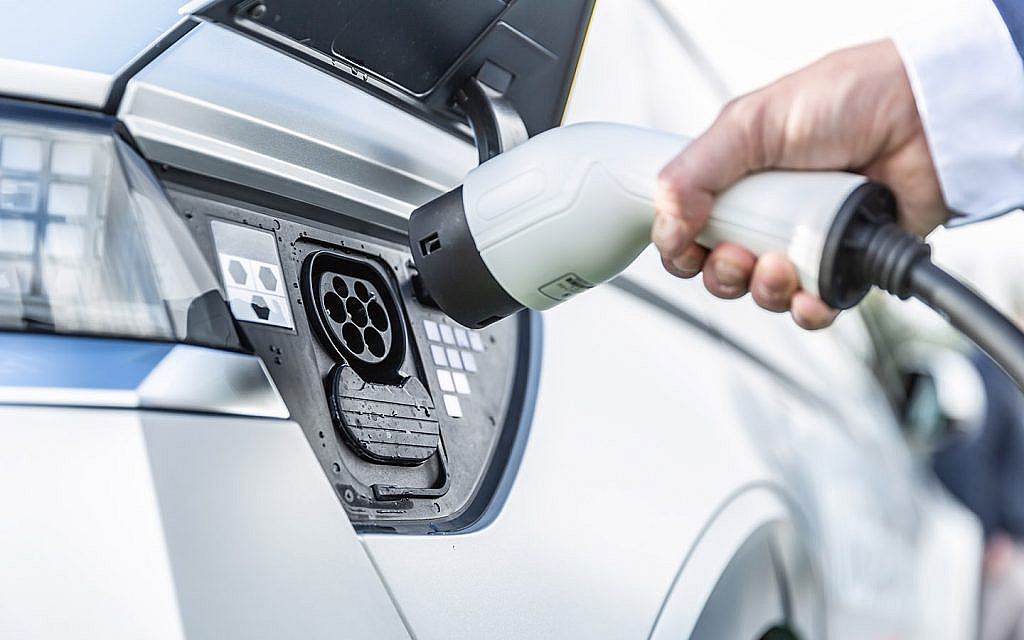
Using DC fast chargers generates significant heat due to high electrical currents. In warm climates like the UAE, this can raise battery temperatures quickly. Modern EVs respond by slowing charging rates or activating additional cooling systems to prevent overheating.
Extreme Weather Effects
Hot weather increases the baseline temperature of all vehicle components. While EVs are tested for heat tolerance, prolonged exposure to sunlight or high ambient temperatures can stress cooling systems, especially if the car is parked outdoors for long periods.
Towing and Heavy Loads
Pulling heavy loads or driving uphill puts extra strain on an EV’s motor and battery. Some vehicles are not optimised for frequent towing, which can make thermal management more challenging under heavy-load conditions.
How do electric cars manage heat?
Electric vehicles use sophisticated cooling systems to maintain safe operating temperatures. These include:
- Liquid-based cooling systems circulating coolant around the battery pack
- Air-based cooling systems that ventilate heat from motors and electronics
- Intelligent software that regulates power output and charging speed
These systems ensure that EVs maintain consistent performance even in hot climates.
Tips to reduce overheating in electric cars
Following best practices can reduce the risk of EV overheating:
- Avoid repeated fast charging during very hot weather
- Park in shaded or covered areas whenever possible
- Follow manufacturer towing recommendations
- Keep vehicle software up to date
- Allow cooling periods during long, high-speed journeys
FAQs
Can electric cars overheat in hot weather?
Yes. If the cooling system is overworked or fails, high temperatures can cause EV batteries to overheat. Modern vehicles, however, often reduce power or charging rates to prevent damage.
What causes electric vehicles to overheat?
Main causes include battery strain, high ambient temperatures, excessive towing, or cooling system malfunctions. These factors generate excess heat in key components like the battery and motor.
How do electric cars manage heat?
Electric cars regulate heat using liquid or air-based cooling systems and intelligent software. These solutions ensure consistent performance and extend battery life even under demanding conditions.
Final Thoughts
Modern EVs are designed to handle thermal stress efficiently. While electric cars can overheat under extreme conditions, intelligent cooling systems and software safeguards make overheating a manageable risk rather than a serious concern. As technology advances, thermal management is becoming increasingly reliable, ensuring safe performance in the UAE’s climate.
Explore the latest electric cars available in the UAE, featuring advanced cooling and battery technologies:
Looking for a used car for sale in Dubai or new car for sale in Dubai?