As fuel prices rise in the UAE and the availability of electric vehicles grows, deciding on the right car powertrain has never been more critical. Whether your trips are mostly city commutes, highway drives, or desert adventures, understanding the differences between petrol, hybrid, and EV options will help you save money, reduce emissions, and enjoy driving in 2026.
Which Powertrain Fits Your Daily Driving?
Your typical driving patterns should guide your choice. For mixed city and highway travel, hybrids often offer the most practical combination of fuel efficiency and convenience. They pair a petrol engine with an electric motor, automatically switching to save fuel during stop-and-go traffic.
- Hybrids do not require plugging in, as the battery charges via braking and engine power.
- EVs excel for short daily commutes if you have reliable access to charging at home or work.
- Petrol cars provide flexibility for spontaneous long drives without worrying about charging.
For instance, the Toyota Corolla Hybrid can achieve up to 28 km/l in city traffic, giving drivers over 1,000 km per tank in real UAE conditions. New 2026 models like the Omoda 7 Hybrid or the Camry Hybrid combine extended range with improved fuel economy, while pure EVs are ideal if your daily distance stays under 150–200 km.
Comparing Running Costs in the UAE
Running expenses are a major factor for UAE drivers in 2026. Petrol prices surged to AED 3.20–3.39 per litre in April 2026, making fuel efficiency a top priority when choosing a car. Here's how costs compare:
- Petrol cars: Low upfront cost but high operating costs, approximately AED 0.40–0.70/km.
- Hybrids: Reduce fuel consumption by 30–50%, translating to AED 0.20–0.30/km.
- EVs: Cheapest per km (AED 0.07–0.12) when using home or public charging stations like DEWA Green Chargers.

Additional savings may include:
- Hybrid buyers may benefit from green loans or reduced insurance premiums.
- EV owners in Dubai and Abu Dhabi often enjoy free parking, discounted registration, and Salik tag incentives.
- Petrol cars generally do not qualify for additional perks.
Upfront Price and Long-Term Value
While petrol cars remain attractive for budget-conscious buyers, hybrids and EVs are increasingly competitive:
- Petrol cars typically start from AED 70,000–80,000.
- Entry-level hybrids such as the Toyota Corolla Hybrid start around AED 90,000.
- EVs now include affordable options like the BYD Seagull or Nissan Leaf, ranging from AED 45,000–150,000.
Over 5–7 years, hybrids and EVs can be more economical if you:
- Drive at least 15,000–20,000 km per year.
- Have access to convenient charging points.
- Keep the car long enough to offset higher purchase prices with savings on fuel and maintenance.
Impact of UAE Charging and Fuel Infrastructure
The UAE’s EV infrastructure is expanding quickly. There are now over 700 public charging stations, including fast chargers in Dubai, Abu Dhabi, and along major highways. Many malls and government buildings also provide free or low-cost charging.
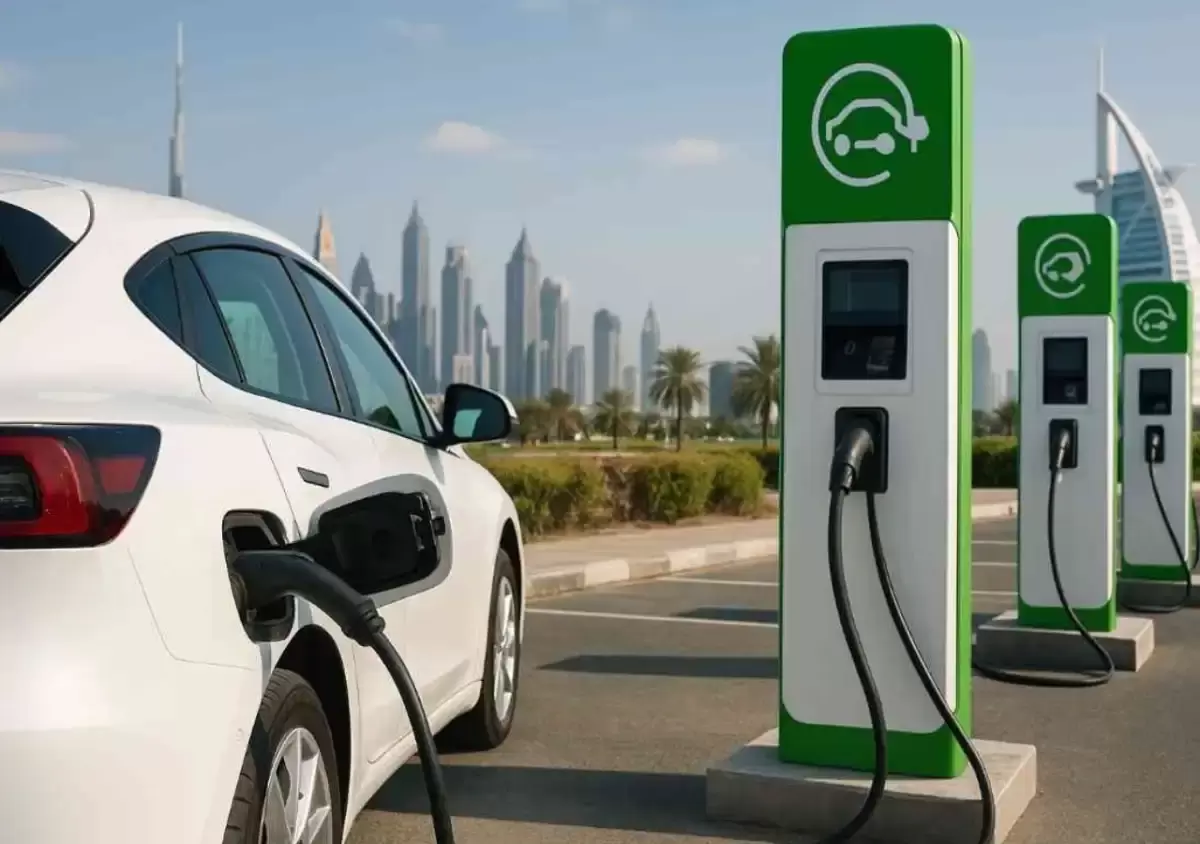
Despite this growth, petrol stations remain widely available, making traditional vehicles convenient for long desert trips or areas where EV chargers are sparse. Hybrids offer a practical compromise: fuel-efficient without requiring plugs, making them suitable for residents in apartments or areas without dedicated charging facilities.
Future-Proofing Your Choice in 2026
The UAE government promotes cleaner transport with incentives for low-emission vehicles. National policies aim to increase hybrid and EV adoption by 2030, and perks such as reduced registration fees, free parking, and toll exemptions are likely to expand.
- EVs: Best for urban drivers seeking the lowest running costs and long-term sustainability.
- Hybrids: Ideal for those who want fuel savings without adjusting their daily routine.
- Petrol: Suitable for buyers prioritizing lower purchase price and long-range flexibility.
Final Verdict
Hybrids strike the optimal balance for most UAE drivers in 2026, offering strong fuel efficiency, long range, and convenience without relying on charging infrastructure. EVs are highly cost-effective for city driving, while petrol vehicles remain a simple, budget-friendly option. By aligning your choice with your actual driving patterns, you can save money, reduce emissions, and enjoy stress-free mobility across the Emirates.
Find Your Next Car in the UAE
- Browse hybrid cars for sale in the UAE
- Browse petrol cars for sale in the UAE
- Browse electric cars for sale in the UAE
- Browse diesel cars for sale in the UAE
FAQs
Are hybrids suitable for the UAE heat?
Yes, modern hybrid systems are designed to handle high temperatures, with advanced cooling mechanisms that maintain performance in hot climates.
How long do hybrid batteries last?
Hybrid batteries typically last between 8–10 years or over 200,000 km, often backed by 5–8 year manufacturer warranties.
Which is cheaper to run: hybrid, EV or petrol?
EVs cost approximately AED 0.07–0.12 per km, hybrids AED 0.20–0.30 per km, and petrol vehicles AED 0.35–0.50 per km. EVs are the most economical for city commutes with charging access.
Do I need to plug in a hybrid car?
Standard hybrids recharge automatically while driving. Plug-in hybrids (PHEVs) offer the option of charging for extended electric range.
Is the UAE’s EV charging infrastructure sufficient?
Yes — with over 700 stations and growing, EVs can now be conveniently charged across cities, while hybrids remain independent of charging networks.