Deciding between a petrol, hybrid, or electric vehicle (EV) in the UAE has never been more important. With stable fuel prices, a growing EV charging network, and government incentives, the right choice depends on driving style, budget, and lifestyle. This guide breaks down each powertrain’s advantages, costs, and suitability for UAE drivers in 2026.
Which Powertrain Fits Your Daily Driving in the UAE?
If most of your driving is in city traffic between Dubai, Abu Dhabi, or Sharjah, a hybrid often provides the most convenience and fuel efficiency.
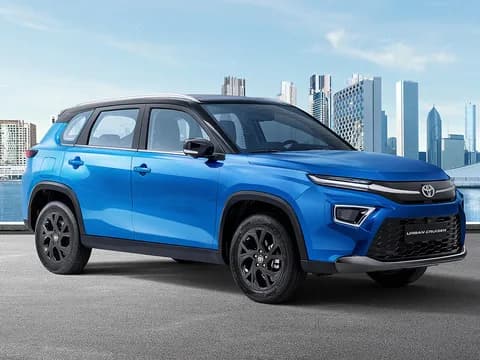
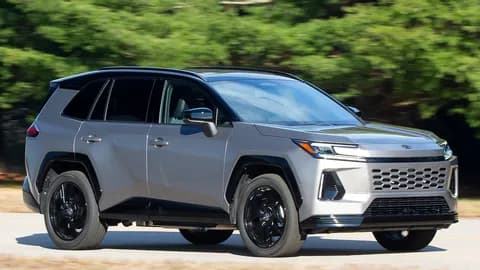
Hybrids combine a petrol engine with an electric motor, automatically switching between them to reduce fuel use in stop‑start conditions. Models like the Toyota Corolla Hybrid achieve 25–28 km/l, giving over 1,000 km on a full tank under UAE driving conditions.
- Top 2026 hybrid options include the Omoda 7 with 90 km electric range.
- The Toyota Camry Hybrid remains a reliable city and highway option.
- Hybrid vehicles suit drivers without dedicated charging infrastructure at home.
For shorter commutes with access to home or workplace charging, EVs can be more cost-effective. They are ideal for daily distances under 150–200 km. However, long desert trips or spontaneous inter-emirate drives still favour petrol or hybrid cars due to range flexibility.
Running Costs: Petrol vs Hybrid vs EV in 2026 UAE
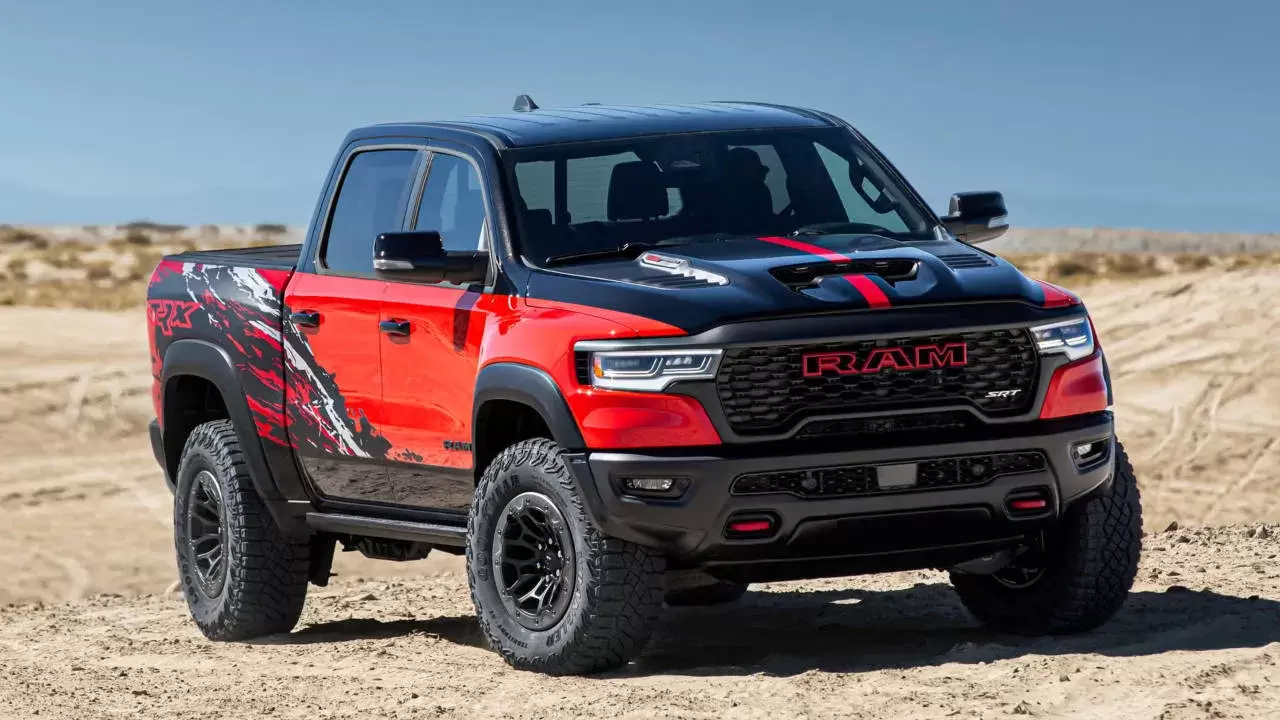
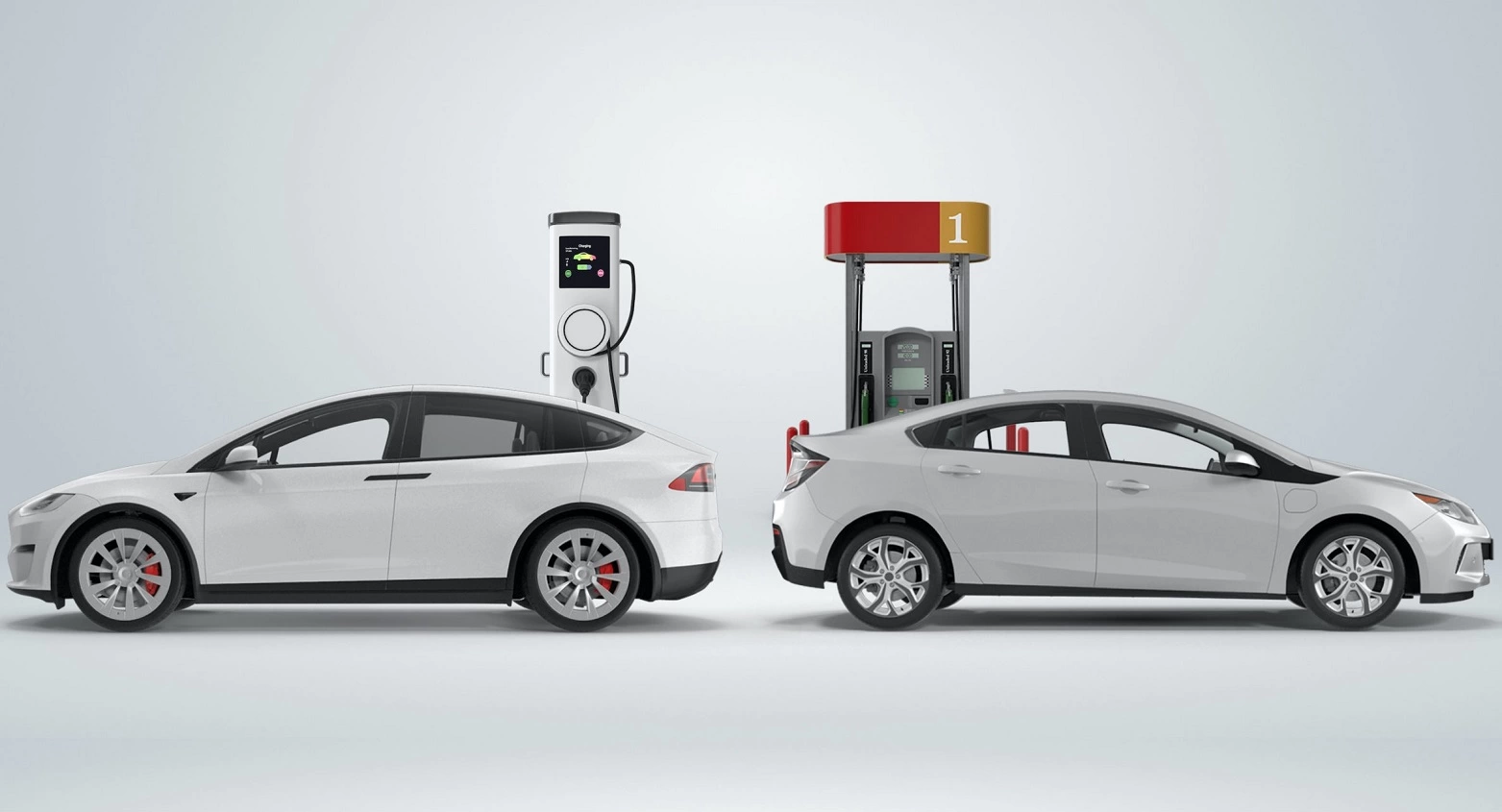
Operating costs are a key factor in choosing the right powertrain. Petrol cars are generally cheapest to purchase but most expensive to run, with fuel prices averaging Dh2.40–2.50 per litre in early 2026 (~Dh0.35–0.50 per km).
- Hybrids reduce fuel use by 30–50%, lowering running costs to around Dh0.20–0.30 per km depending on driving style.
- EVs can cost as little as Dh0.07–0.12 per km when charged at home or free public stations like DEWA Green Chargers.
- Government incentives such as reduced registration fees, free Salik tags, and discounted parking make EVs even more attractive.
Other costs to consider:
- Petrol cars: standard registration, no special incentives.
- Hybrids: potential green-car loans, slightly lower insurance with select banks.
- EVs: free or discounted charging at public stations, reduced registration, toll exemptions.
Upfront Price vs Long-Term Value
While upfront price still drives some buyers toward petrol, the gap is narrowing. Entry-level petrol cars start at Dh70,000–80,000. Hybrids like the Corolla Hybrid start around Dh90,000, offering payback through fuel savings.
EVs start from Dh120,000–150,000, though smaller models such as the BYD Seagull or Nissan Leaf are now available from Dh45,000–130,000. Over 5–7 years, hybrids and EVs can become more cost-effective if you:
- Drive 15,000–20,000 km per year
- Have access to home or free public charging
- Keep the car long enough to offset higher purchase prices with lower running and maintenance costs
How UAE Infrastructure Influences Your Choice
The UAE’s charging network is growing, but petrol retains convenience for remote travel. There are now over 600–700 public EV chargers, including fast-charging stations in Dubai, Abu Dhabi, and along major highways. Free or low-cost charging is available at malls, government buildings, and DEWA stations.
Petrol stations remain dense and easy to access, making them ideal for:
- Long-distance trips into desert areas
- Drivers who prefer spontaneous travel without planning charging stops
Hybrids offer a compromise: petrol-like range with better fuel efficiency, requiring no external charging, perfect for apartment dwellers without dedicated charging points.
Future-Proofing Your Car Choice in the UAE
The UAE government is actively promoting cleaner transport, making EVs and hybrids increasingly future-proof. National targets aim to increase EV and hybrid adoption between 2030–2050. EV-friendly incentives such as reduced fees, free parking, and toll exemptions are likely to expand.
For UAE drivers in 2026:
- Choose an EV for city driving with reliable charging access and lowest running costs.
- Choose a hybrid for significant fuel savings without lifestyle changes or charging concerns.
- Choose petrol for lower upfront cost and maximum flexibility on long trips.
Final Verdict: Petrol, Hybrid, or EV?
Hybrids emerge as the most balanced option for UAE drivers in 2026, offering fuel efficiency, long range, and no dependency on charging infrastructure. They are versatile for both city traffic and desert trips. EVs are ideal for dedicated city drivers, while petrol suits budget-conscious buyers or those seeking maximum flexibility.
Find Your Next Car in the UAE
- New cars for sale in UAE
- Used cars for sale in UAE
- Electric cars for sale in UAE
- Hybrid cars for sale in UAE
- Petrol cars for sale in UAE
FAQs
Are hybrids suitable for the UAE heat?
Yes, modern hybrids feature robust cooling systems that maintain performance in hot climates like the UAE.
How long do hybrid batteries last?
Typically 8–10 years or 200,000+ km, with 5–8 year warranties provided by manufacturers.
Which is cheaper to run: hybrid, EV, or petrol?
EVs cost Dh0.07–0.12/km, hybrids Dh0.20–0.30/km, petrol Dh0.35–0.50/km. EVs are ideal for city driving with reliable charging.
Do I need to plug in a hybrid?
No, standard hybrids self-charge through braking. Plug-in hybrids (PHEVs) offer optional charging for extra electric range.
Is the UAE charging infrastructure sufficient for EVs?
Yes, over 700 public stations exist, growing rapidly with free options in Dubai and Abu Dhabi. Hybrids avoid charging dependency altogether.
Looking for a used car for sale in Dubai or new car for sale in Dubai?