With rising fuel costs and growing environmental concerns, improving your car’s fuel efficiency is more important than ever. A fuel-efficient vehicle doesn’t just save money at the pump—it also reduces carbon emissions, making for a cleaner and more sustainable driving experience. Fortunately, small adjustments to your driving habits and vehicle maintenance routine can lead to significant savings.
Proper Vehicle Maintenance
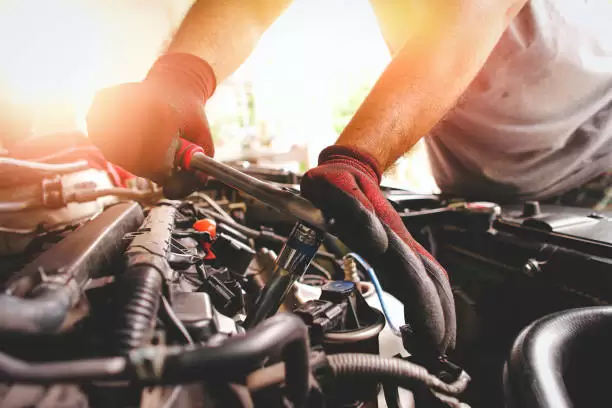
Routine maintenance is the cornerstone of fuel efficiency. A well-maintained engine operates at peak performance, consuming fuel more effectively.
- Regular oil changes ensure that the engine remains well-lubricated, reducing internal friction and improving fuel economy. Using the manufacturer-recommended oil viscosity is crucial, as thicker oil creates more resistance.
- A clean air filter allows for an optimal air-fuel mixture, which ensures complete combustion and prevents unnecessary fuel wastage. A clogged filter forces the engine to work harder, decreasing efficiency.
- Worn-out spark plugs can cause misfires, leading to inefficient fuel combustion. Replacing them at recommended intervals enhances engine responsiveness and fuel economy.
Tire Care and Aerodynamics

Your tires directly impact rolling resistance, which affects how much energy is required to move your vehicle forward.
- Proper inflation is crucial. Under-inflated tires increase friction with the road, forcing the engine to burn more fuel. Checking tire pressure monthly helps maintain efficiency.
- Low rolling resistance tires are designed to reduce energy loss, providing better fuel economy without sacrificing traction.
- Reducing drag also plays a role. Driving with open windows at high speeds disrupts aerodynamics, increasing fuel consumption. Instead, use air vents or climate control for ventilation when driving on highways.
Smart Driving Habits
Your driving style significantly influences fuel efficiency. Harsh acceleration and braking waste energy and increase wear on your vehicle.
- Avoiding aggressive driving helps maintain a smooth, fuel-efficient journey. Gradual acceleration and gentle braking optimize fuel use.
- Cruise control on highways ensures a steady pace, preventing unnecessary fuel burn due to speed fluctuations.
- Reducing idling is another simple yet effective measure. Idling burns fuel without movement, making it a silent drain on efficiency. If stopped for extended periods, turning off the engine saves fuel.
Fuel Quality and Additives
The type of fuel you use has a direct effect on efficiency and engine longevity.
- Using the correct octane rating prevents engine knocking and ensures smooth performance. Some high-performance engines require premium fuel for optimal efficiency.
- Fuel additives can clean fuel injectors and remove carbon deposits, helping the engine run smoothly. However, not all additives offer tangible benefits, so choosing reputable products is key.
- Ethanol-blended fuels, while common, have lower energy content than pure gasoline, leading to slightly reduced mileage. Understanding your vehicle’s fuel compatibility can help you make informed decisions.
Reducing Vehicle Load and Excessive Energy Use
Carrying extra weight forces the engine to exert more effort, consuming additional fuel.
- Removing unnecessary cargo from your trunk and cabin lightens the vehicle, leading to better mileage. Even a 50-kilogram reduction can make a difference.
- Avoiding roof racks and cargo carriers unless necessary helps improve aerodynamics. These accessories create wind resistance, increasing fuel consumption at highway speeds.
- Limiting air conditioning and electrical loads conserves fuel. Running the AC excessively can lower fuel efficiency, especially in stop-and-go traffic. Using ventilation or eco-mode climate settings can help balance comfort and economy.
Route Planning and Traffic Awareness
Efficient route planning minimizes unnecessary fuel consumption.
- Avoiding congested routes helps reduce idling and stop-and-go driving, both of which waste fuel. Traffic navigation apps can provide real-time data for choosing optimal routes.
- Carpooling and ridesharing not only reduce individual fuel costs but also contribute to lowering overall traffic congestion and emissions.
Considering Fuel-Efficient Vehicle Upgrades
For those looking to maximize fuel savings, modern vehicle technologies offer compelling solutions.
- Hybrid and electric vehicles provide superior fuel efficiency by utilizing battery power in conjunction with combustion engines.
- Advanced engine technologies, such as direct fuel injection and cylinder deactivation, enhance combustion efficiency, leading to better mileage.
- Regenerative braking systems in hybrid and electric vehicles capture energy during deceleration, storing it for later use rather than wasting it as heat.
Conclusion
Improving fuel efficiency isn’t just about saving money—it’s about adopting a smarter, more sustainable driving approach. By maintaining your vehicle, refining your driving habits, and considering technological advancements, you can extend the life of your car while reducing your fuel expenses. Small, consistent changes add up, making a tangible difference in both your budget and the environment.
Looking for a used car for sale in Dubai or a new car for sale in Dubai? Explore your options on YallaMotor!