
Say Hello to Mazda’s Skyactiv-Z engine
Tags:
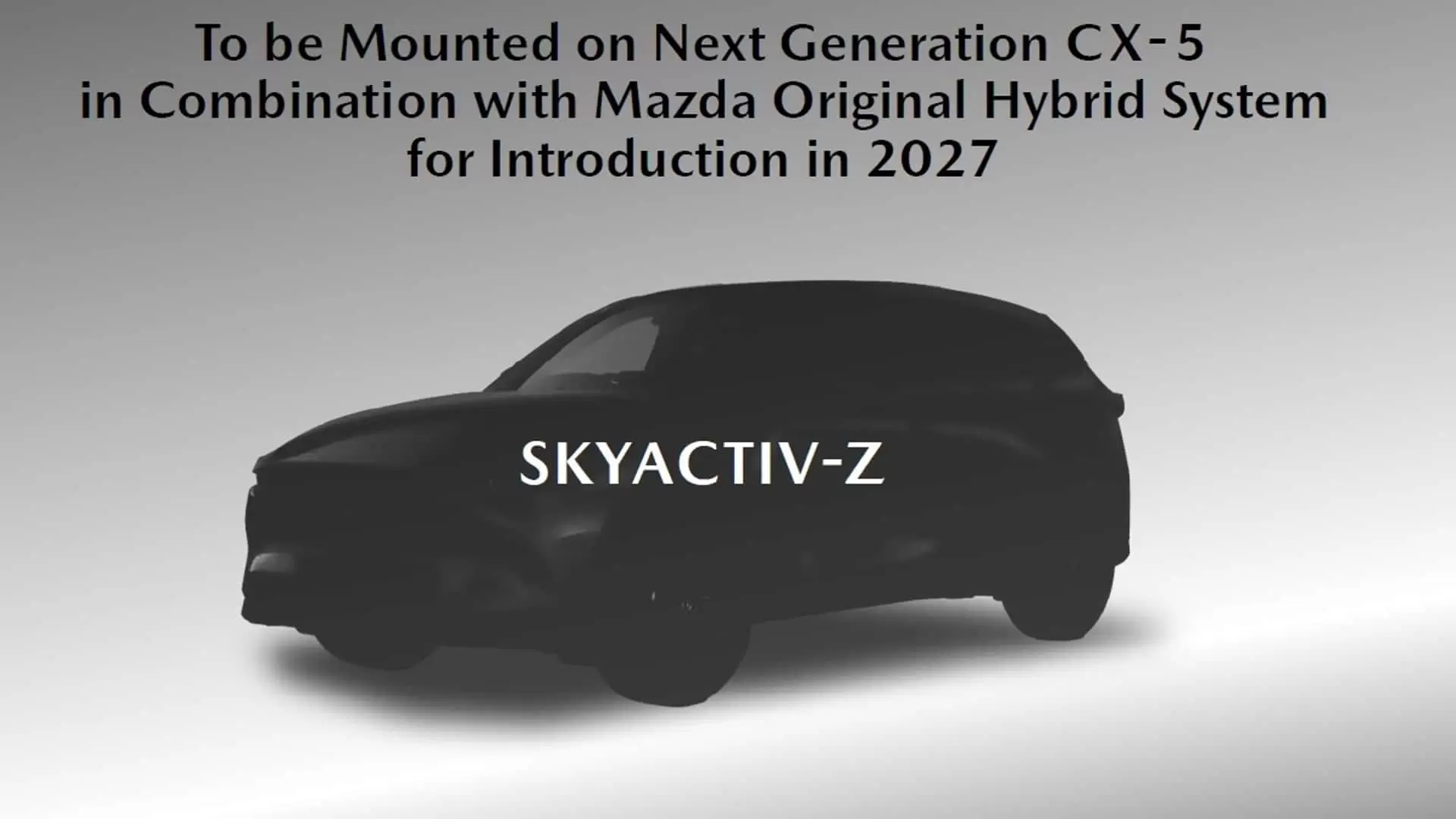
Mazda has unveiled the Skyactiv-Z - a next-generation four-cylinder engine that will power the next-generation CX-5 SUV towards the end of 2027. The new engine is poised to create new benchmarks for performance and efficiency, in keeping with stringent future emissions regulations.
Skyactiv-Z: The Technology of the Future Engine
The Skyactiv-Z engine will supplant Mazda's current Skyactiv-X and Skyactiv-G engines. It has better thermal efficiency and a wider operating range. Perhaps the most thrilling aspect of this engine is the expanded Spark Controlled Compression Ignition (SPCCI) technology that allows for seamless transition between conventional spark ignition and compression ignition modes.
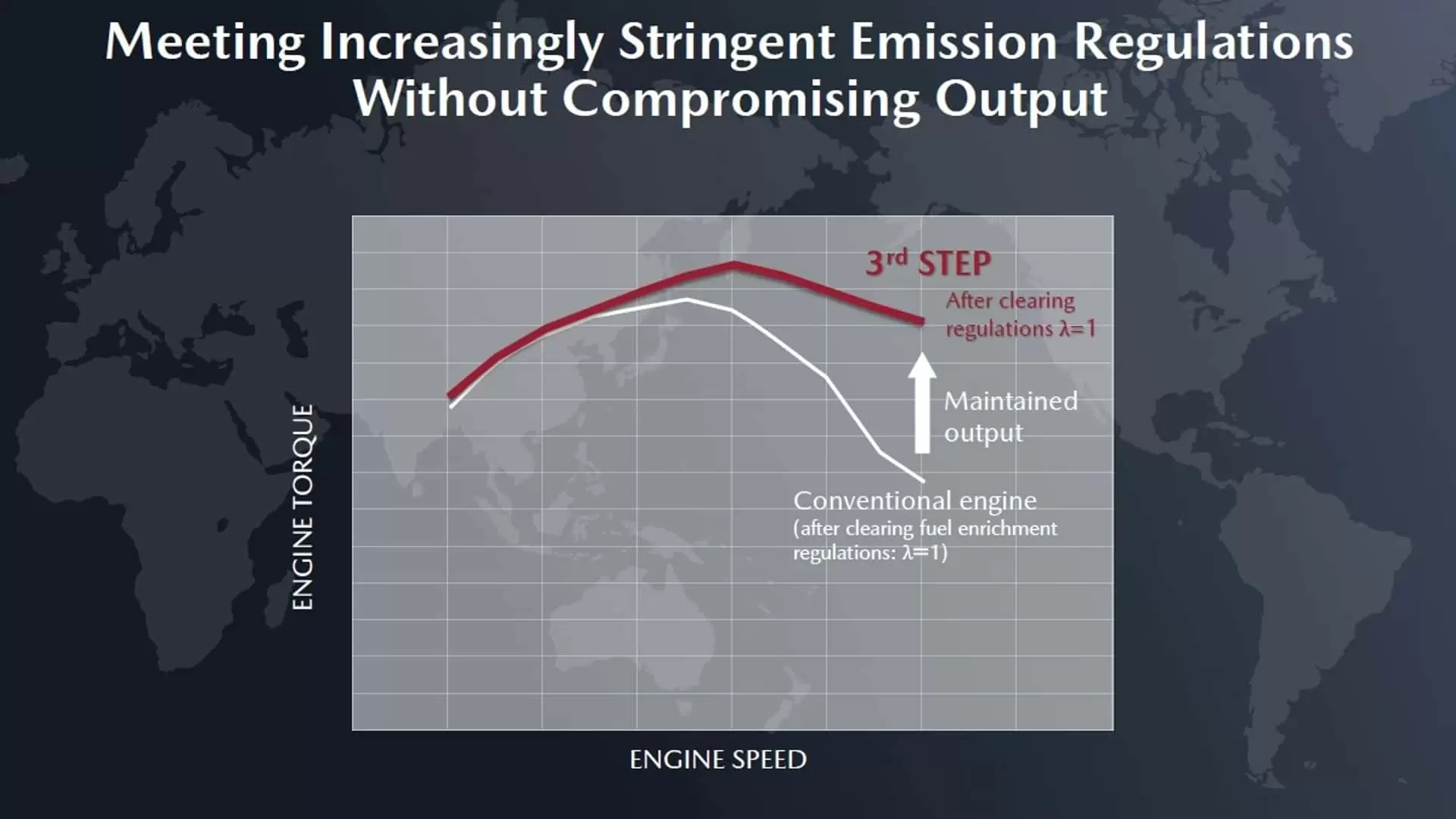
This technology is designed to deliver diesel-like fuel economy and torque with the high-revving character and cleaner emissions of gasoline engines.
Future regulation of emissions implementation
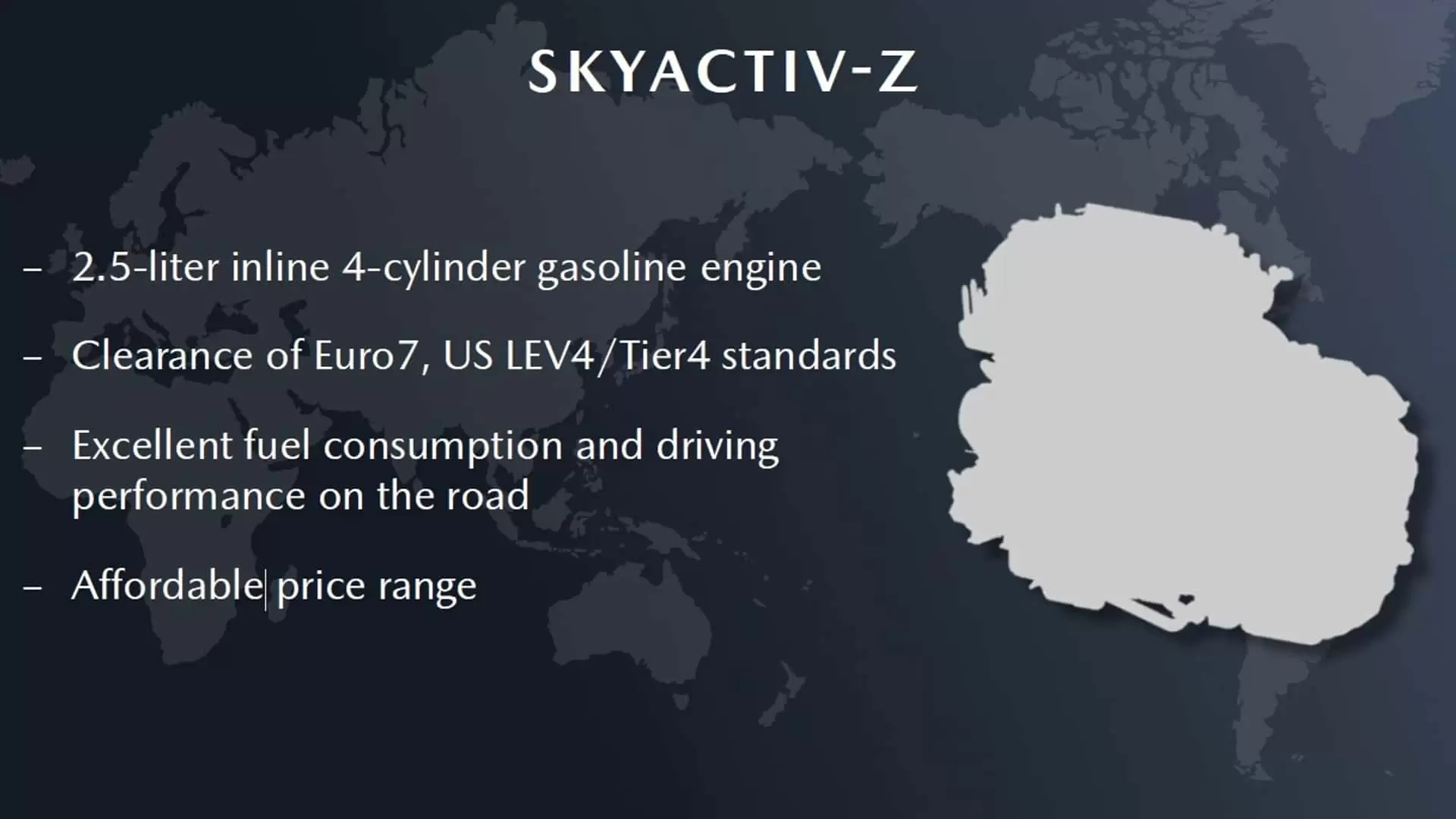
Mazda is engineering the Skyactiv-Z to meet future Euro 7 regulations in Europe and North America's LEV IV and Tier 4 emissions regulations. By optimizing the combustion process and employing the latest heat shielding technologies, Mazda is working to achieve the ideal air-fuel mixture, with maximum efficiency and minimal emissions.
Use Across Engine Platforms
The technology innovations accompanying the Skyactiv-Z are not limited to four-cylinder engines. Mazda will implement the advancements in combustion technology to its larger six-cylinder engines as well and is in the process of upgrading its rotary engines.

The cross-platform implementation is a reflection of the Japanese brand's integrated strategy towards powertrain development, where the benefits are being spread across a wide range of vehicle models.
Strategic Emphasis on Internal Combustion
Despite the growing emphasis of the automotive industry on electrification, Mazda is dedicated to refining internal combustion engines. The Skyactiv-Z initiative reflects the company's belief that there remains tremendous potential to maximize traditional engine technologies, providing customers with efficient and enjoyable driving experiences and satisfying environmental standards.
