
In an era where automotive safety technologies are rapidly advancing, the Traction Control System (TCS) stands out as one of the essential systems that ensures vehicle stability under various conditions. This extensive article will discuss the system from all technical and practical perspectives.
Understanding the Basics of the Traction Control System
Historical Development of the System
The Traction Control System first emerged in the 1980s as an advancement of the Anti-lock Braking System (ABS), with manufacturers like Mercedes and BMW developing it to address slippery road traction issues.
Key Components of the System
- Speed Sensors: Typically located at each wheel to monitor rotational speed.
- Electronic Control Unit (ECU): The brain of the system that analyzes data and makes decisions.
- Braking System: Executes the system's commands by applying selective brakes.
- Engine Management System: Reduces engine power when necessary.
How the Traction Control System Works in Detail
Step-by-Step Mechanism
- Continuous monitoring of each wheel's speed through sensors.
- Comparison of wheel speeds with each other and with expected speed.
- Detection of any wheel spinning at an abnormal speed (slipping).
- Selective braking applied to the slipping wheel.
- Reduction of engine torque if necessary.
- Restoration of traction and vehicle control.
Differences in System Functionality Across Vehicles
| System Operation Method | Vehicle Type |
|---|---|
| Focuses on front wheels | Front-wheel drive |
| More concerned with rear wheels | Rear-wheel drive |
| Controls all wheels comprehensively | All-wheel drive |
When Should You Disable the Traction Control System?
Practical Scenarios Requiring System Deactivation
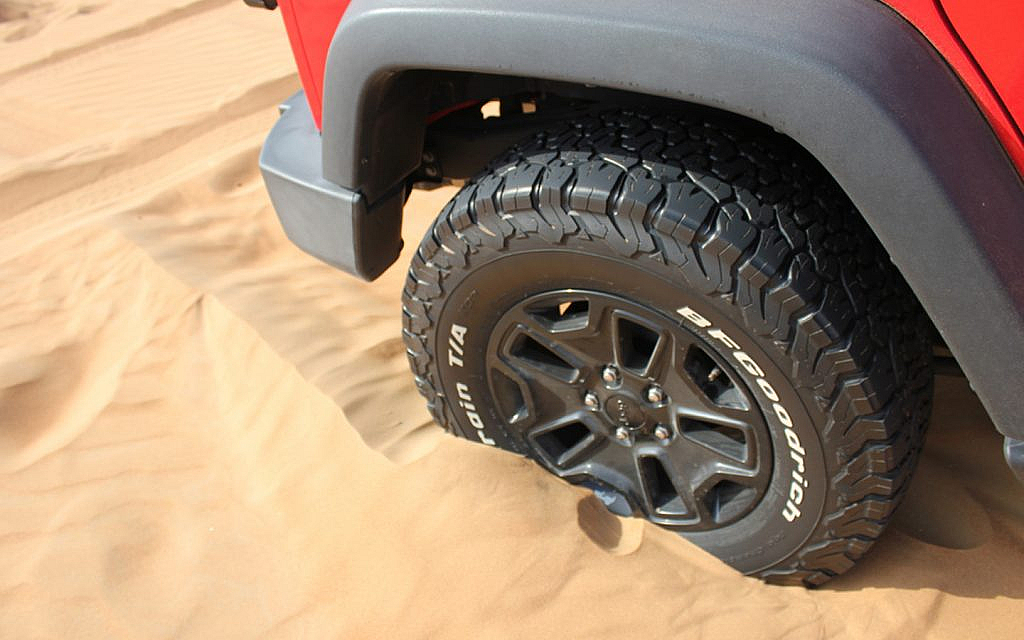
- Exiting sand or mud: Where wheels need to slip slightly to gain traction.
- Driving on thick ice: Sometimes controlled slipping can be beneficial.
- Using snow chains: The system may interfere with the chains' operation.
- In car racing: Professional drivers prefer to disable the system for full control.
How to Disable the System in Different Brands
The method for disabling varies by brand:
Toyota: Button next to the steering wheel
Ford: Through the information screen
Audi: Within driving settings
Causes of Warning Light Activation and Troubleshooting
Detailed Diagnostics of Issues
- Inspecting fuses: The cause might be as simple as a blown fuse.
- Testing sensors: Measuring resistance of speed sensors.
- Clearing codes: Using an OBD2 reader to identify the precise fault code.
- Checking wiring: Ensuring there are no damaged or poorly connected wires.
Expected Repair Costs
| Approximate Cost (AED) | Issue |
|---|---|
| 300-500 | Replacing speed sensor |
| 1000-2000 | Repairing control unit |
| 150-300 | Cleaning sensors |
Difference Between Traction Control System and Other Safety Systems
Comprehensive Comparison Between TCS, ABS, and ESC
| When it Operates | Function | System |
|---|---|---|
| During acceleration | Prevents wheel slipping | TCS (Traction Control System) |
| During hard braking | Prevents vehicle slipping | ABS (Anti-lock Braking System) |
| During turns | Prevents deviation from the lane | ESC (Electronic Stability Control) |
Preventive Maintenance Tips for the System
How to Maintain the Efficiency of the Traction Control System?
- Regularly inspect sensors and clean them from dirt.
- Use suitable and matching tires on all wheels.
- Avoid aggressive driving on rough roads.
- Periodical checks of wiring and electrical connections.
- Do not ignore any warning signs appearing on the dashboard.
Frequently Asked Questions About the Traction Control System
Can the system be installed on older cars?
Yes, but it requires the installation of a specialized electronic control unit and modifications to the braking system, with costs ranging from AED 2000 to AED 5000 depending on the vehicle type.
Which cars feature advanced traction control systems?
Brands like Mercedes, Volvo, and Subaru are known for their advanced traction control systems, especially in their all-wheel-drive models.
Does the system affect fuel consumption?
Practically, the system has a minimal impact on consumption (less than 2%), but its security benefits far outweigh this slight percentage.
Future Innovations in Traction Control Systems
Companies are currently working on developing systems that rely on artificial intelligence to predict loss of traction before it occurs, utilizing cameras and smart road maps, especially in Tesla electric vehicles.
Are you looking for a used car for sale in Dubai or a new car for sale in Dubai?