
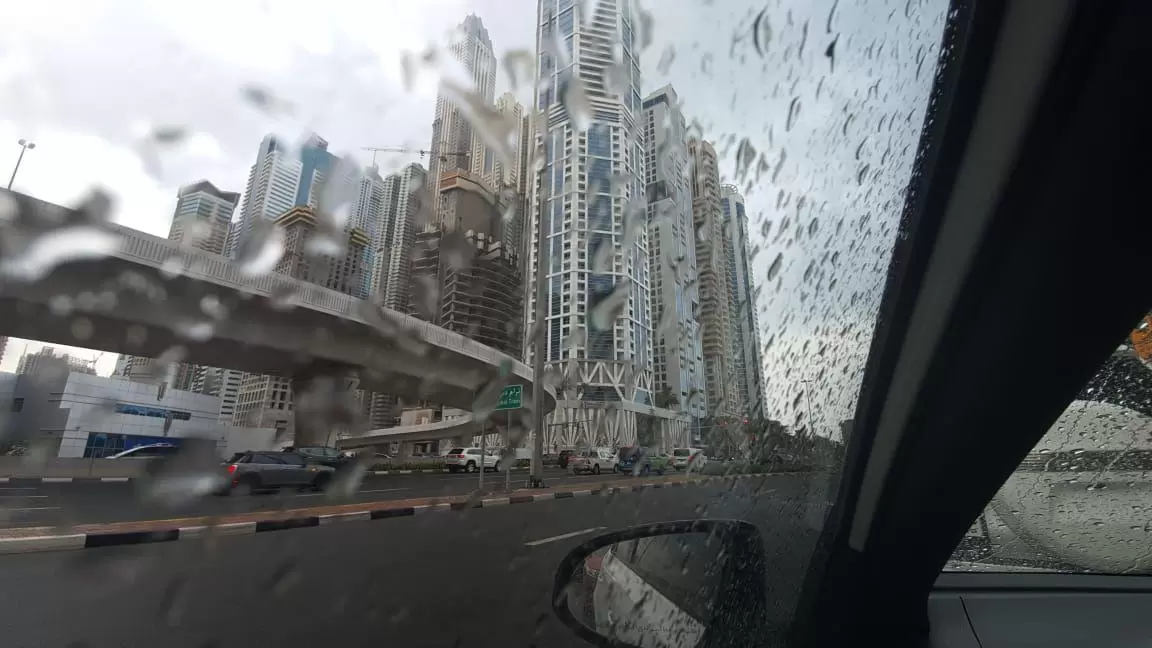
Is Driving in the UAE Rain Dangerous?
Driving in the UAE rain can be risky due to slippery roads, low visibility, and infrastructure not designed for frequent downpours. Since rain is uncommon, drivers may be unprepared, making cautious driving and vehicle readiness essential during monsoon-like conditions.
While rain can be enjoyable for seasoned drivers, sudden showers often lead to waterlogging, oil-slick roads, and reduced traction. Understanding how to prepare your car and adjust your driving style can significantly reduce risks and improve safety.
How Should You Prepare Your Car for Rainy Weather in the UAE?
Preparing your car for UAE rainy weather involves checking tyres, wipers, seals, and electrical components. Proper preparation ensures better grip, visibility, and protection against water-related mechanical or electrical issues.
Keeping an eye on the weather forecast is the first step. When rain is predicted, a quick inspection can make all the difference between a safe drive and a stressful one.
- Check tyre tread depth and condition
- Inspect windscreen wipers for wear
- Ensure door and window seals are intact
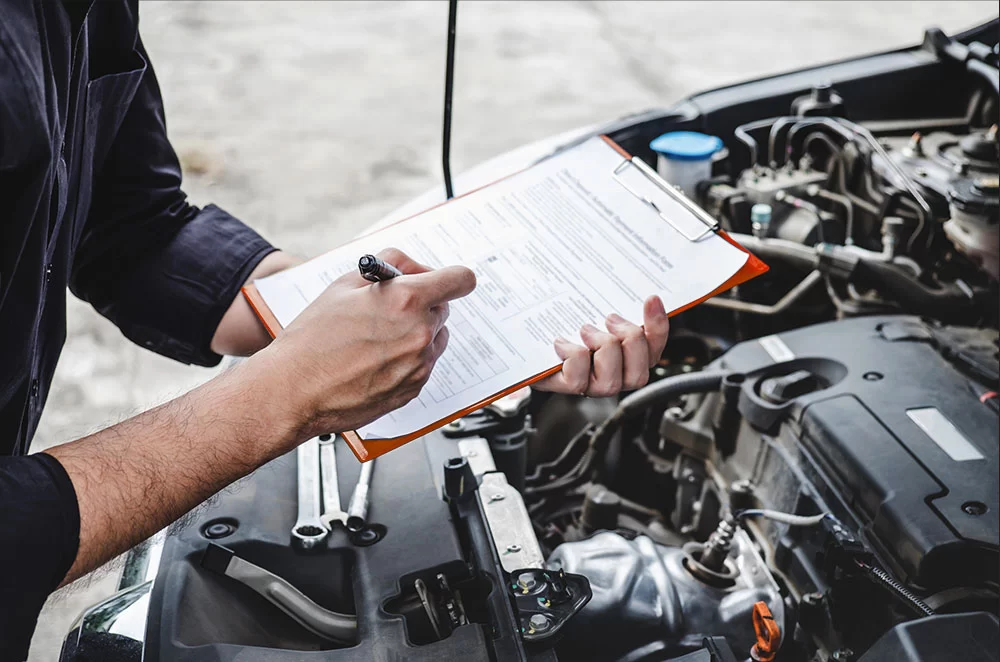
Why Is Tyre Care Critical When Driving in the UAE Rain?
Tyres are the only contact point between your car and the road, making them crucial for wet-weather safety. Adequate tread depth allows water to disperse, improving grip and reducing aquaplaning risk.
Although UAE law specifies a minimum tread depth, having deeper treads provides better traction. Older tyres may have hardened rubber, which significantly reduces grip on cold, wet surfaces.
Well-maintained tyres dramatically improve braking and steering control during rain.
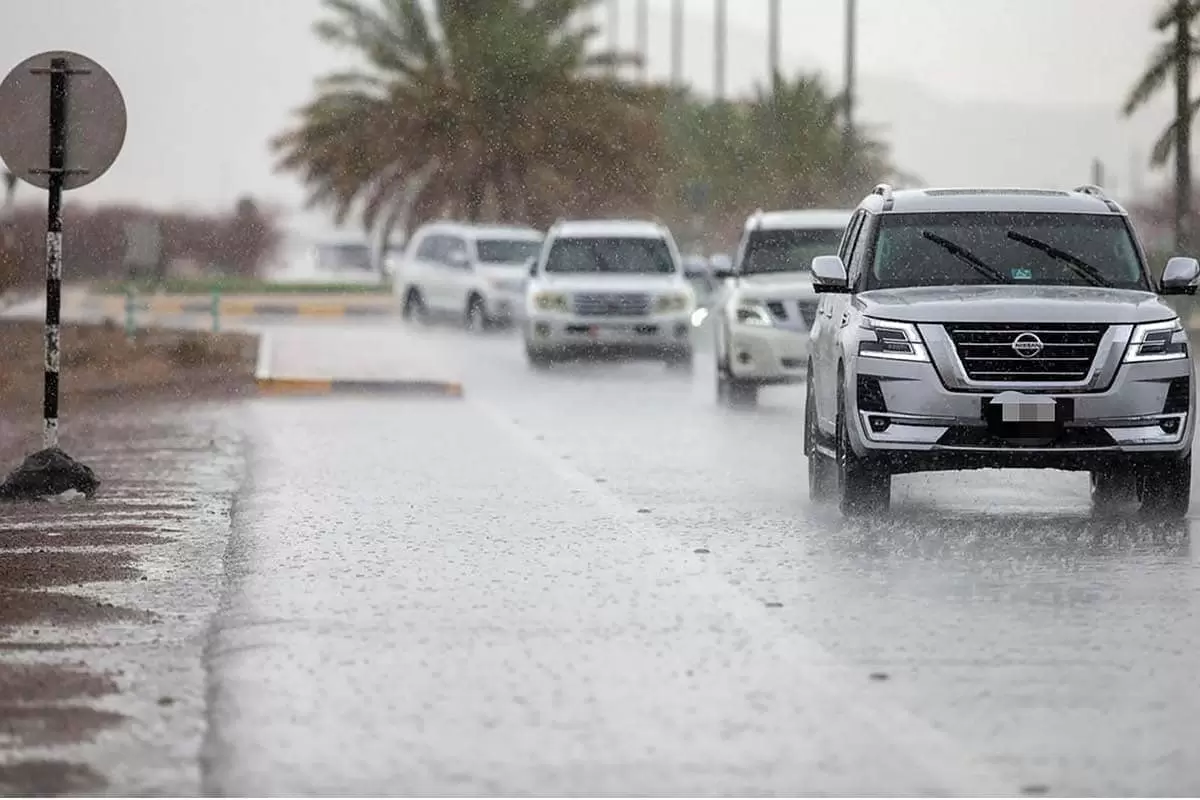
Is Your Car Waterproof Enough for UAE Rain?
Cars are designed to be water-resistant, not waterproof. Rubber seals around doors and windows prevent water from entering the cabin, but worn or cracked seals can allow leaks during heavy rain.
Electrical components are also designed to resist moisture. Exposed wiring or poorly covered fuse boxes can lead to short circuits if water enters sensitive areas.
Don’t Forget the Windscreen Wipers
Wiper motors usually last the life of the car, but the rubber blades degrade due to heat and cold exposure. Hardened wipers reduce visibility and should be replaced immediately if they smear water instead of clearing it.
What Driving Techniques Should You Use During UAE Rain?
Safe driving in UAE rain requires reduced speed, smooth inputs, and increased awareness. Wet roads increase braking distances, making aggressive manoeuvres extremely dangerous.
Even cars equipped with advanced ABS and stability systems cannot overcome the laws of physics when traction is limited.
- Reduce speed well below dry-road limits
- Avoid sudden braking or sharp steering
- Maintain a longer following distance

Does Car Size Matter on Waterlogged UAE Roads?
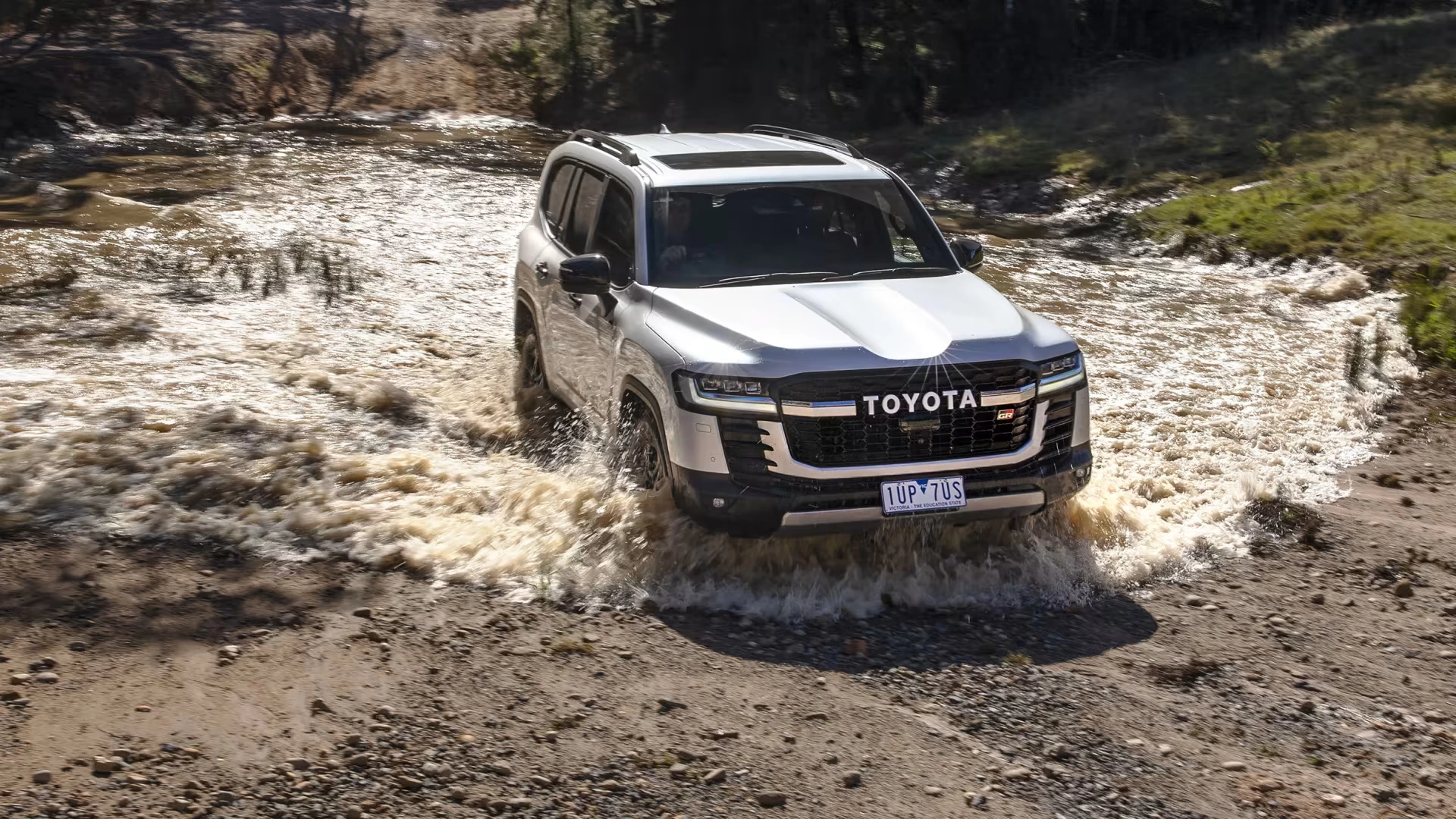
Yes, vehicle size and ground clearance play a major role when driving through waterlogged roads in the UAE. Low-slung sports cars are far more vulnerable to water ingress than SUVs or pickup trucks.
The UAE has excellent road infrastructure, but heavy rainfall can overwhelm drainage systems, causing localized flooding.
For example, while a supercar with very low ground clearance may struggle in shallow water, SUVs like the Toyota Land Cruiser are engineered to handle deeper water crossings safely.
If water looks too deep, it’s always safer to turn around than risk engine damage.
Why Is Road Awareness More Important During Rain?
Wet metal surfaces such as drain covers become extremely slippery during rain. Corners, roundabouts, and kerbs may also be hidden under pooled water, increasing accident risk.
Drivers should also watch for rainbow-colored patches on the road, which indicate oil mixed with rainwater. These patches are highly slippery, and braking on them should be avoided.
What Happens After Driving Through Deep Water?
Driving through standing water can temporarily reduce braking performance as water coats the brake rotors. Lightly pumping the brakes after exiting water helps restore normal braking efficiency.
Additionally, splashing water onto pedestrians can be dangerous and inconsiderate, so slowing down near sidewalks is both safer and more courteous.

What Is Aquaplaning and How Can You Avoid It?
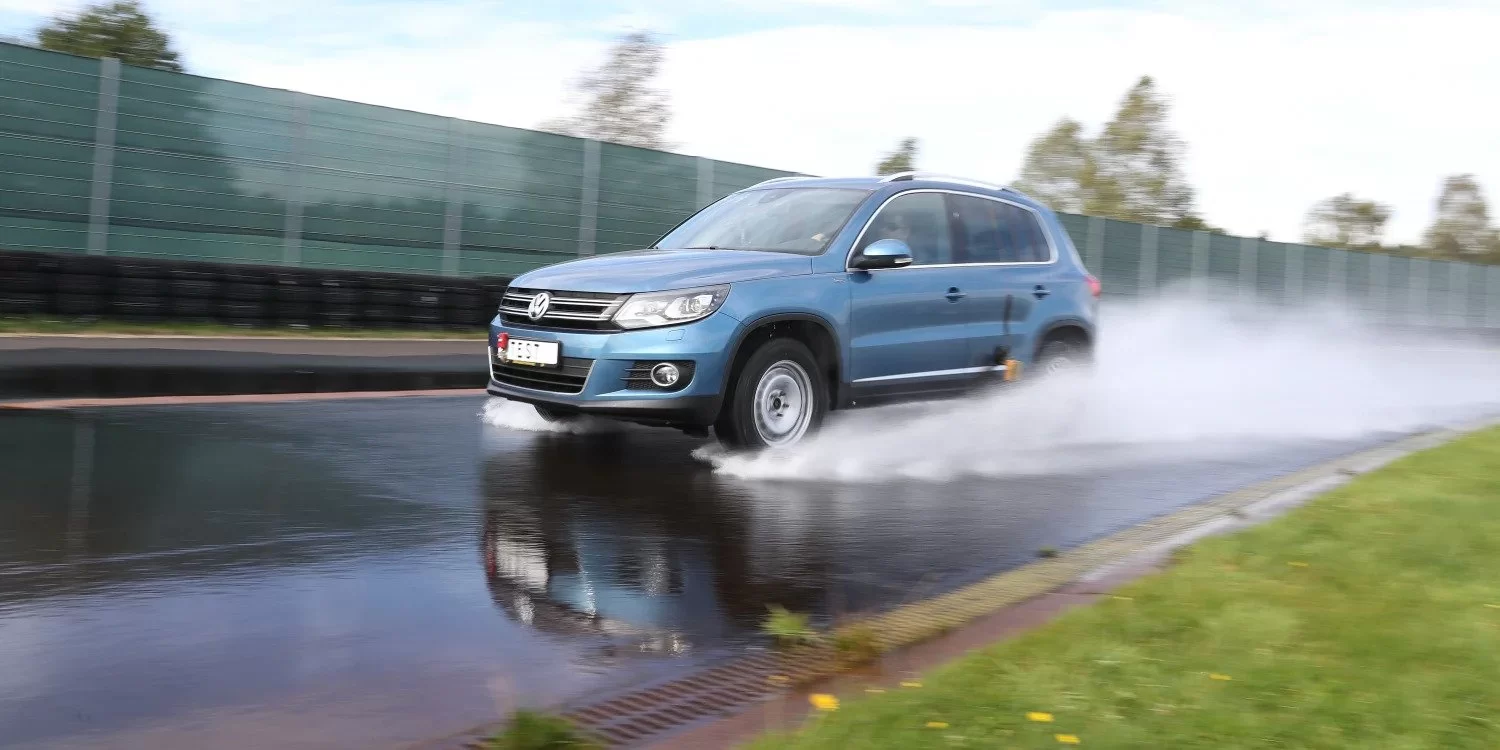
Aquaplaning occurs when a layer of water builds between tyres and the road, causing a total loss of traction. This makes steering, braking, and acceleration ineffective.
If unavoidable water patches lie ahead, slow down gradually before entering. While crossing, avoid steering, braking, or accelerating until the tyres regain contact with the road.
- Slow down before entering standing water
- Keep steering straight and steady
- Do not panic or slam the brakes
Final Thoughts on Driving in the UAE Rain
Driving in the UAE rain doesn’t have to be stressful if you are prepared and cautious. Proper vehicle maintenance, reduced speeds, and heightened awareness can turn a risky situation into a manageable one.
With unpredictable weather becoming more common, understanding monsoon driving techniques is now an essential skill for UAE motorists.
Looking for a used car for sale in Dubai or new car for sale in Dubai?