

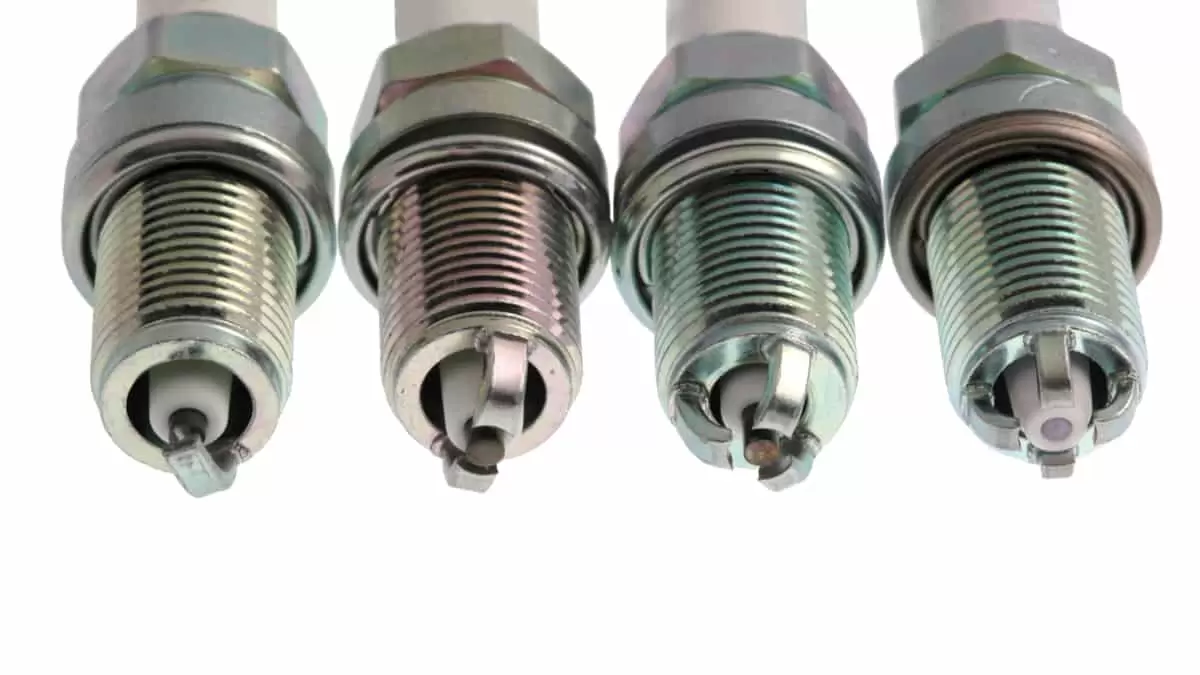
Choosing the right spark plugs for your car is more important than most drivers realize. The right set can improve performance, boost fuel efficiency, and extend engine life. On the other hand, the wrong plugs—or worn-out ones—can cause misfires, poor acceleration, and even engine damage. This guide answers the most common questions drivers have about spark plugs so you can make the best decision for your vehicle.
Quick answer: The best spark plugs for your car depend on your engine and driving style: copper for older cars, platinum for balanced performance and affordability, and iridium for modern engines and long-lasting performance. Always confirm with your owner’s manual.
Why Do Spark Plugs Matter for Your Car?
Spark plugs are the small but mighty components that ignite the air-fuel mixture inside your engine’s cylinders. Without them, your engine wouldn’t start or run. When spark plugs wear out, you may notice poor performance, increased fuel consumption, or a rough idle. In severe cases, bad plugs can even trigger the dreaded "check engine" light.
- Ignite the air-fuel mixture for combustion
- Directly impact power delivery and fuel economy
- Essential for smooth starting and idle
What Are the Signs You Need New Spark Plugs?
Wondering if it’s time to replace your spark plugs? Here are the most common warning signs:
- Poor acceleration or sluggish engine response
- Engine misfires and rough idling
- Decreased fuel economy—more trips to the gas station
- Hard starting or difficulty turning the engine over
- Check engine light flashing due to misfires
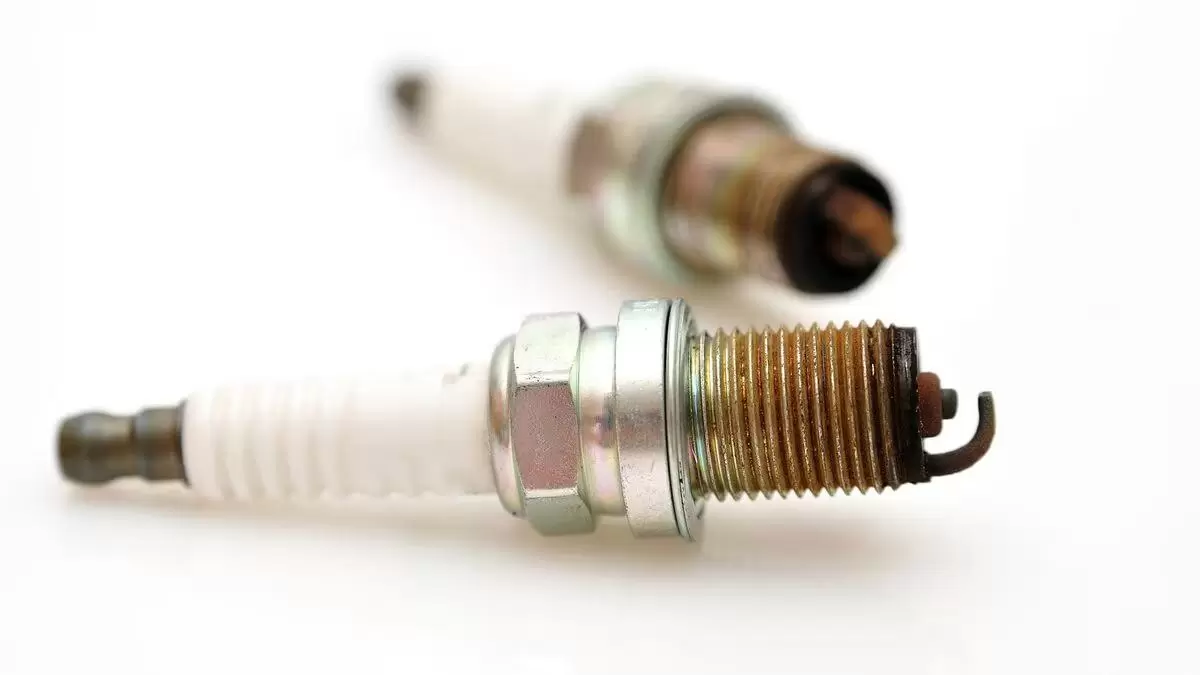
If you notice any of these symptoms, it’s worth inspecting your spark plugs or replacing them according to your vehicle’s maintenance schedule.
What Types of Spark Plugs Are Available?
The biggest choice comes down to the material of the spark plug. The three main types are copper, platinum, and iridium. Each has unique benefits and costs, so your choice depends on your car type and driving needs.
Copper Spark Plugs
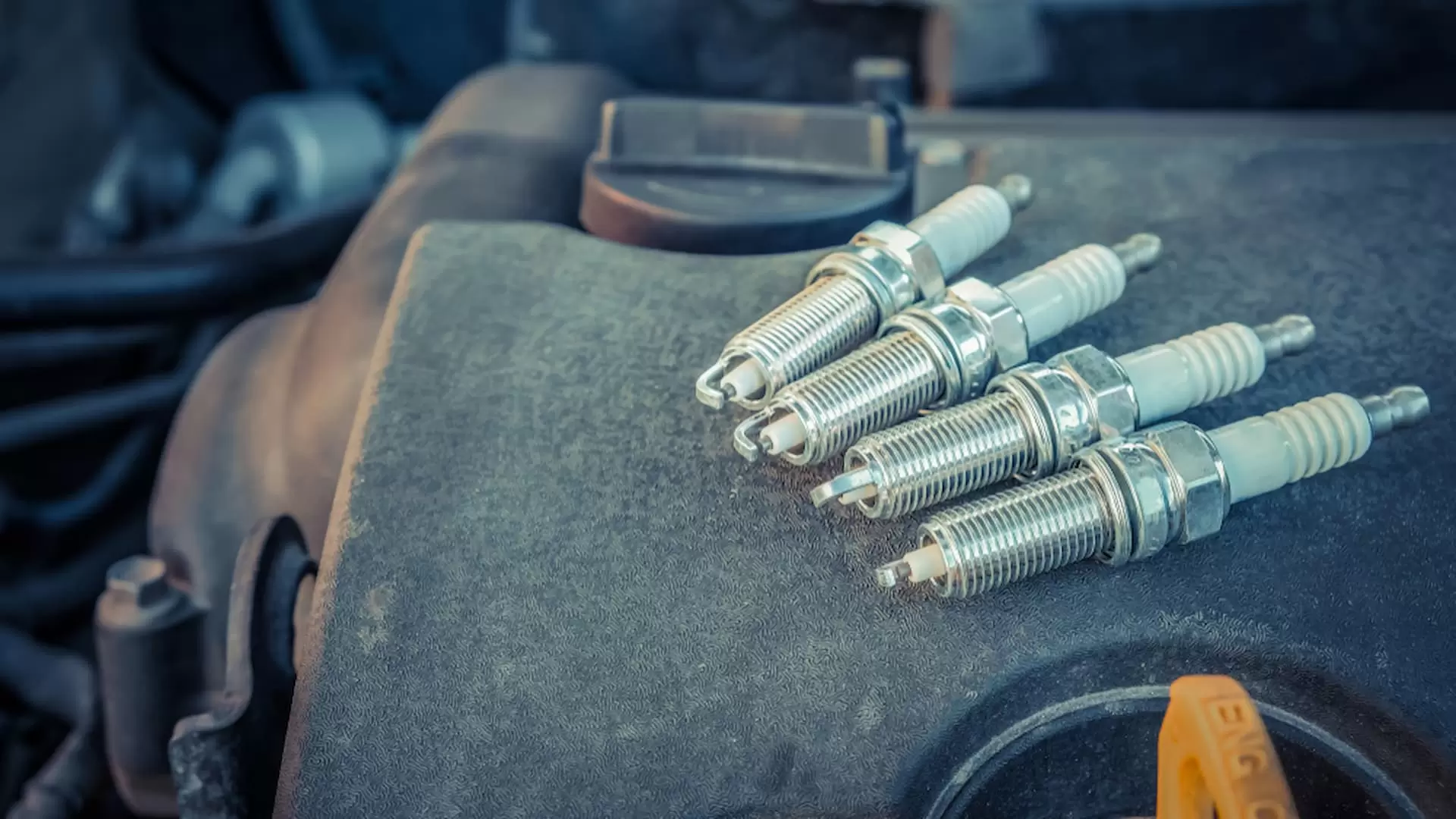
Copper spark plugs are the most traditional type, featuring a copper core and nickel alloy electrode. They offer excellent conductivity but wear out faster than modern alternatives.
- Pros: Very affordable, excellent conductivity
- Cons: Short lifespan (~20,000 miles), less suitable for modern engines
- Best for: Older vehicles (pre-1980s) and some high-performance engines
Platinum Spark Plugs
Platinum spark plugs are designed for modern engines and longer service intervals. They can last up to 60,000 miles and help improve fuel efficiency.
- Pros: Longer lifespan than copper, resist fouling, good for fuel economy
- Cons: Not as conductive as copper
- Best for: Modern cars with distributor-based ignition systems
There are also Double Platinum plugs, with platinum on both electrodes, making them ideal for “wasted spark” ignition systems.
Iridium Spark Plugs
Iridium spark plugs are the premium choice. With a fine-tipped iridium electrode, they deliver the strongest spark, longest lifespan (often over 100,000 miles), and superior performance under tough conditions.
- Pros: Longest lifespan, efficient spark, excellent durability
- Cons: Higher cost
- Best for: Modern engines with coil-on-plug ignition, performance driving, long-term ownership
For even more durability, Double Iridium spark plugs use iridium on both electrodes.
Which Spark Plug Type Should You Choose?
Here’s a quick comparison to make your choice easier:
| Material | Lifespan | Performance | Cost | Best For |
|---|---|---|---|---|
| Copper | ~20,000 miles | Excellent conductivity | Low | Older vehicles, some performance engines |
| Platinum | ~60,000 miles | Good | Medium | Modern distributor-based ignition systems |
| Iridium | 100,000+ miles | Excellent | High | Modern coil-on-plug ignition systems |
What Other Factors Should You Consider?
Beyond material type, two other important factors determine whether a spark plug is right for your engine: heat range and gap size.
Heat Range
The heat range indicates how quickly a spark plug can dissipate heat. Using the wrong heat range can lead to pre-ignition or fouling. Always follow your vehicle manufacturer’s recommendation.
Gap Size
The spark plug gap—the distance between the center and ground electrodes—must match your engine’s specification. While many spark plugs come pre-gapped, it’s smart to check with a feeler gauge and adjust if necessary.
Why Should You Consult Your Owner’s Manual?
Your owner’s manual is the ultimate guide when choosing spark plugs. It lists the exact specifications your engine needs. You can sometimes upgrade (e.g., platinum to iridium) for better performance, but never downgrade (e.g., iridium to copper), as this could reduce performance or damage your engine.
What Are the Best Spark Plug Brands?
Several trusted brands manufacture reliable spark plugs. Among the most recommended:
- NGK: Widely used in Asian and domestic vehicles, a favorite among enthusiasts.
- Denso: Leading OEM supplier for brands like Toyota.
- Bosch: German brand known for innovation and high quality.
- Champion: Classic American brand, great for older cars and performance engines.
- ACDelco: Official OEM for General Motors (GM).
- Motorcraft: Official OEM for Ford vehicles.
The Bottom Line: How Do You Choose the Right Spark Plugs?
Choosing spark plugs doesn’t have to be confusing. By understanding the differences between copper, platinum, and iridium, checking your car’s heat range and gap requirements, and sticking to reputable brands, you’ll ensure your engine runs at its best. Think of spark plugs as a small investment that pays off in smoother starts, better fuel economy, and a longer-lasting engine.
Looking for a used car in Dubai or new car deals? Explore YallaMotor’s verified listings today.