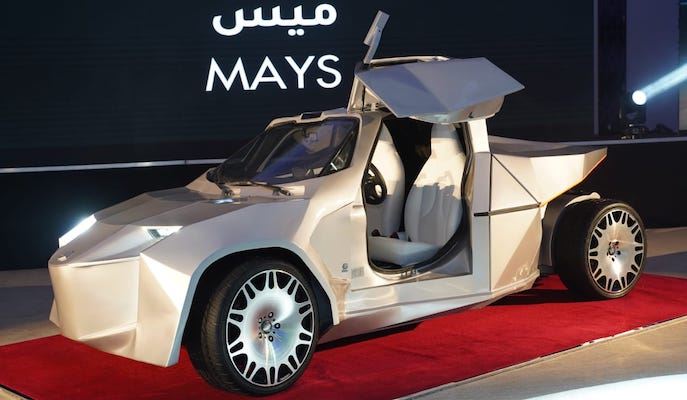
As the world embraces large-scale electric mobility in all its glory, several nations have rolled out their respective charters that elucidate yardsticks for adoption of EVs. The Sultanate of Oman plans to eradicate gasoline vehicles by 2050, as laid down in a new strategy that sheds light on the transition to renewable energy.
STAKEHOLDERS INVOLVED
This strategy has been jointly curated by the Ministry of Energy & Minerals and government and private entities. It has been crafted on the foundation of Oman Vision 2040 economic diversification. The country claims to make itself carbon-zero by half the completion of this century.
PILLARS OF THE STRATEGY
Amongst several pillars of the strategy such as energy efficiency, renewable energy, hydrogen economy and storage, transport has also been incorporated as a pivotal sub-head as it will play an instrumental role in shaping the future of Oman. It looks at a gradual revolution process where the systems will drastically reduce the quantum of carbon emanated and increase the use of contemporary processes that will preserve the environment.
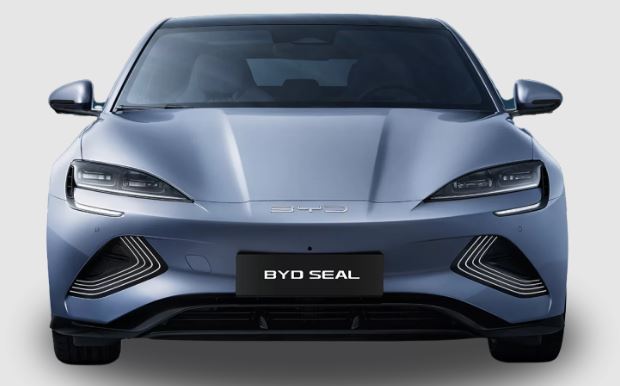
The Government is consistent in making investments in the eco-friendly transport sector to create new economic opportunities for people thereby, augmenting the country’s progress.
ROLE OF OUR NEXT ENERGY (ONE)
To catapult the push towards full-bore battery-assisted locomotion, Oman Investment Authority became the patron for US-based electric vehicle battery start-up Our Next Energy (ONE) by investing in it. It is likely to have learnt a lot for heralding electric vehicles and infrastructure in Oman. Certain areas were elucidated for mutual cooperation in energy and battery storage in the nation.
EXISTING INFRASTRUCTURE
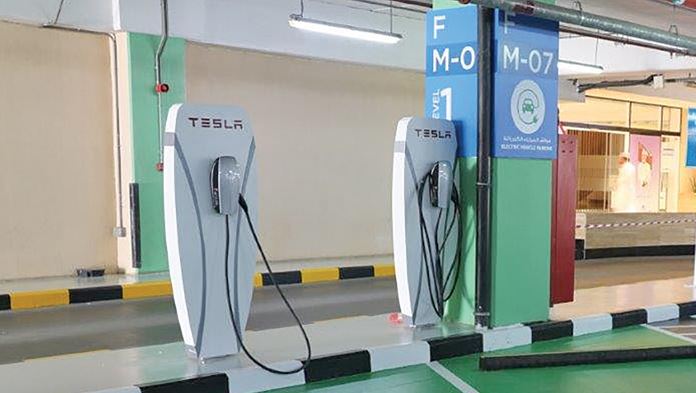
Exhilaration towards owning electric vehicles is already surging in Oman as the number of electric vehicles rose to 1500 in 2024 from 550 in 2023. Installation of over 120 charging points last year worked as a catalyst to bolster the policy framework and confidence in people to switch to EVs. As work is under progress to erect more such charging points, the Ministry expects the number to surpass 200 by the end of 2024 and cross 350 by 2027.
THE GREEN CORRIDORS PROJECT
Giving a fillip to green logistics, a Green Corridors project has been initiated by the Government for low and high commercial vehicles that harness the power loaned by green hydrogen energy. Similarly, the food delivery business is on a rise. Ascertaining this, the senate have launched an experimental project where electric bicycles will play a key role in delivering food.
GREEN HYDROGEN PRODUCTION
Simultaneously, Oman’s Ministry of Energy and Minerals has laid down guidelines for manufacturing of green hydrogen which aims to escalate to 1-million tons per year by 2030. This will further soar to 3.5-million tons by 2040 and 8-million tons by 2050. This is not all, Oman is also positioning itself as a global centre for overseas sale of green hydrogen; to preserve the exhaustible resources and increase consumption of such environment-friendly alternatives.
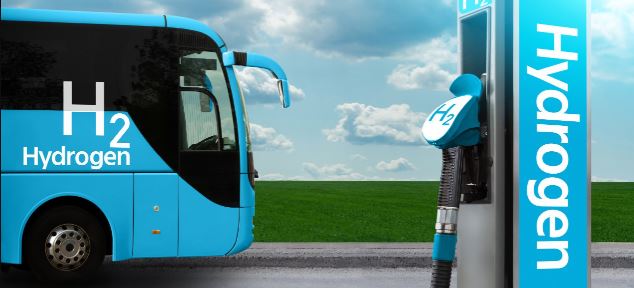
Going by Oman’s devotion towards sustainability, vehicles that run on new energy and increasing drive to use hydrogen for a multitude of processes, the International Energy Agency prognosts the GCC nation to become the sixth largest exporter of hydrogen globally and the largest in the Middle-East by 2030.
In the past few years, several Middle-East nations have witnessed the influx of electric vehicle manufacturers such as Tesla, ZEEKR, BYD, NIO, Polestar, etc. Several established gasoline automakers have already introduced some electric vehicles making them future-ready and competent enough to strike a dagger against the likes. Investments made by the country in electric mobility and related avenues shows its penchant towards a future with carbon-zero transport ation. Accurate Government policies in this regard will make the shift smoother and more conducive to an eco-friendly milieu.
Looking to buy a used car in Oman or to buy a new car in Oman