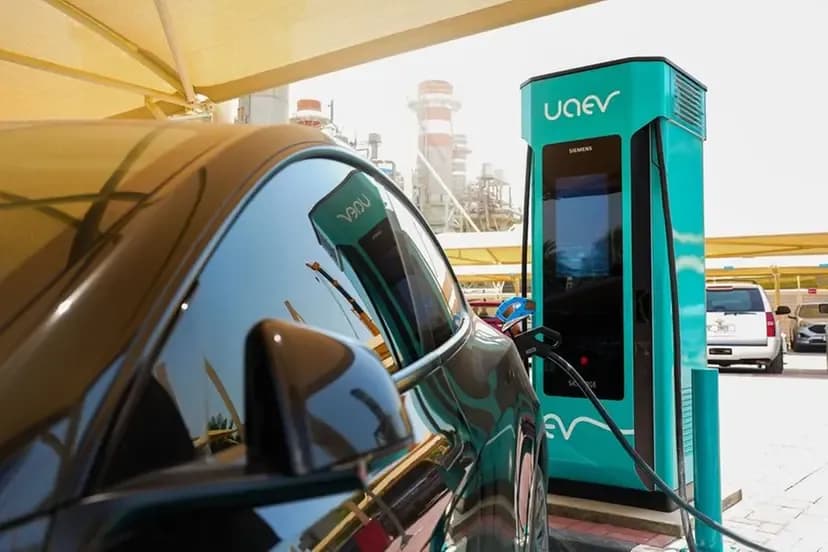
The UAE, a global leader in sustainable energy and electric vehicle (EV) adoption, has announced its tariffs for EV charging stations for the year 2025. This move aligns with the country’s ambitious goals to reduce carbon emissions and transition towards a green economy. Here's everything you need to know about the new tariffs and their impact.
What Are the New Tariffs for EV Charging Stations in the UAE?
Starting in 2025, EV owners across the UAE will be subject to a revised tariff system for charging their vehicles at public stations. The new pricing strategy aims to balance affordability for consumers with the operational costs of maintaining a growing network of charging stations.
- Flat Charging Rate: A uniform tariff for all public charging stations has been introduced, with slight variations for fast chargers.
- Time-Based Charging: Premium rates will apply during peak hours to encourage off-peak usage and optimize energy consumption.
- Home vs. Public Charging Costs: Home charging remains the most economical option, while public charging is priced higher to account for infrastructure costs.
Why Are These Tariffs Important?
The introduction of EV charging tariffs plays a critical role in achieving sustainable energy goals. The UAE is committed to the following objectives:
- Encouraging EV Adoption: By providing clear pricing structures, the government aims to eliminate uncertainties for prospective EV buyers.
- Supporting Green Infrastructure: The tariffs will fund the expansion and maintenance of charging stations across the country.
- Promoting Responsible Energy Use: Dynamic pricing incentivizes consumers to charge their vehicles during non-peak hours, balancing grid demand.
How Will the Tariffs Affect EV Owners in the UAE?
Pros for EV Owners:
- Transparent Costs: The new tariff system provides clarity on the cost of EV ownership.
- Wider Charging Network: With the additional revenue, the UAE will further expand its network of charging stations.
- Incentives for Early Adopters: Special discounts and incentives may be available to those switching to EVs in 2025.
Challenges for EV Owners:
- Increased Operational Costs: Public charging could become more expensive, encouraging EV users to invest in home charging solutions.
- Peak Hour Surcharges: Tariffs during peak hours may discourage convenient charging for some users.
Impact on the UAE’s EV Market
The EV market in the UAE is already growing rapidly, thanks to government incentives and increasing consumer awareness. Here’s how the new tariffs could influence the market:
- Boost to EV Sales: Clear tariffs provide prospective buyers with a better understanding of the total cost of ownership.
- Expansion of Charging Infrastructure: More stations in residential areas, commercial centers, and highways will cater to the growing number of EVs.
- Technological Advancements: The introduction of smart chargers and mobile apps to manage charging schedules will likely accelerate.
Preparing for the EV Transition
The announcement of 2025 tariffs serves as a reminder for individuals and businesses to prepare for the inevitable transition to EVs. Here are some tips for EV owners:
- Invest in Home Charging: Home charging units provide convenience and cost savings compared to public stations.
- Plan Charging Schedules: Take advantage of off-peak rates to minimize costs.
- Stay Informed: Keep up-to-date with government incentives and discounts to maximize benefits.
The UAE's move to announce EV charging tariffs for 2025 underscores its commitment to sustainability and green energy. While these tariffs mark a significant shift for EV owners, they also pave the way for a more robust and accessible EV infrastructure. For residents, now is the time to embrace the future of mobility and take full advantage of the opportunities that EVs bring.
Whether you're an existing EV owner or considering making the switch, platforms like YallaMotor can provide comprehensive resources to explore and compare electric vehicles tailored to the UAE market.