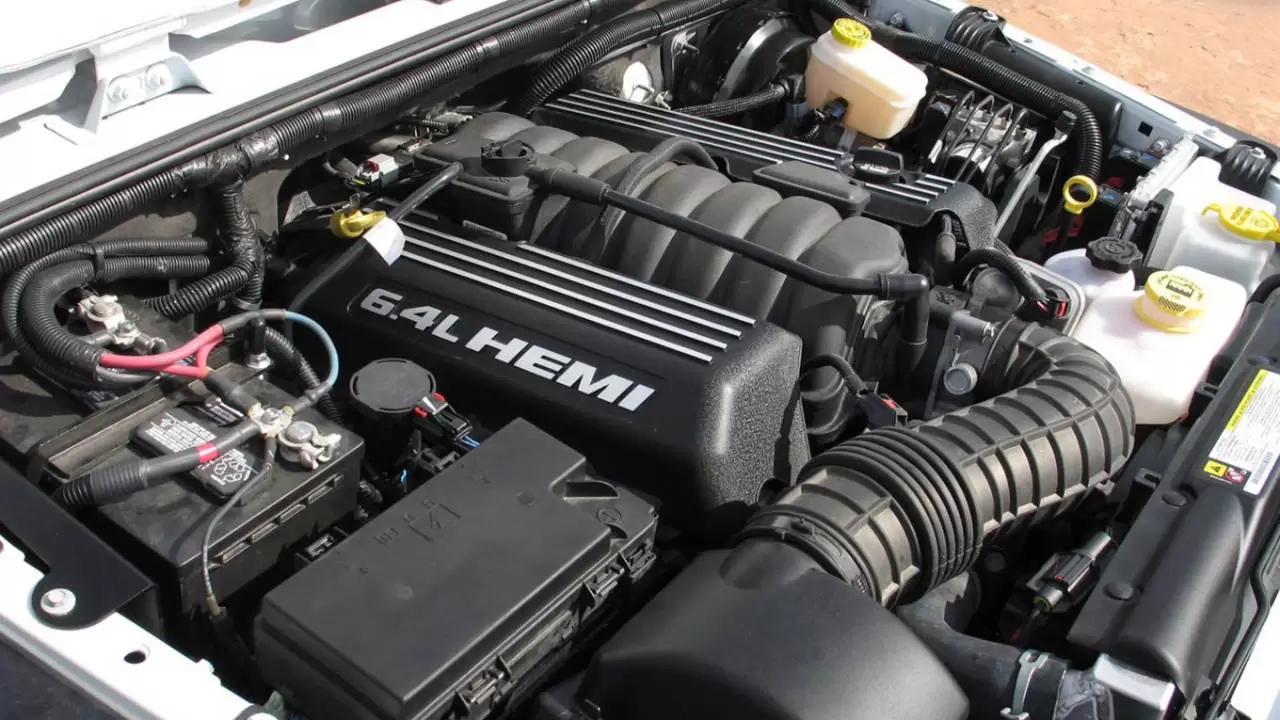
What Is a V8 Engine and Why Does It Matter?
A V8 engine features eight cylinders arranged in two banks of four, positioned at a 90-degree angle to form a distinctive "V" configuration. This design delivers exceptional power and torque output, making it the preferred choice for luxury vehicles, sports cars, and performance SUVs in the UAE market.
Despite the automotive industry's shift toward electric and hybrid powertrains, V8 engines remain highly sought after in 2025. UAE drivers continue choosing V8-powered vehicles for their unmatched performance capabilities, distinctive engine sound, and proven long-term reliability. The V8's balanced design and robust construction make it ideal for demanding driving conditions common in the Middle East.
- Eight cylinders in V-shaped configuration for maximum power output
- Balanced design reduces vibrations and enhances smoothness
- Proven reliability record in harsh climate conditions
- Distinctive engine sound preferred by enthusiasts
- Superior towing capacity for recreational and commercial use
When Was the V8 Engine First Introduced in Automotive History?
The V8 engine originated in the 19th century for marine and aviation applications before transitioning to automotive use. Renault pioneered automotive V8 technology in 1904, followed by Rolls-Royce in 1905 with their groundbreaking 3.5-liter V8-powered street car.
This early adoption established the V8 as a symbol of automotive prestige and engineering excellence. The configuration quickly gained popularity among luxury manufacturers due to its superior power delivery and refined operation compared to contemporary engine designs. Today's V8 engines trace their lineage directly to these pioneering early designs.
Evolution of V8 Technology
Modern V8 engines incorporate advanced technologies including variable valve timing, direct injection, and turbocharging. These innovations have dramatically improved fuel efficiency and emissions performance while maintaining the power characteristics that made V8 engines legendary.
How Is a V8 Engine Constructed and Designed?
V8 engine construction centers on two cylinder banks, each containing four cylinders, positioned at a precise 90-degree angle. This arrangement creates the characteristic "V" shape while enabling optimal balance through opposing piston movements. When one piston reaches top dead center, its corresponding piston on the opposite bank moves to bottom dead center.
This balanced design minimizes primary vibrations naturally, requiring fewer counterbalance mechanisms than other engine configurations. The 90-degree angle is mathematically optimal for eight-cylinder engines, providing inherent smoothness that contributes to the V8's reputation for refined operation.
- Two banks of four cylinders each at 90-degree separation
- Opposing piston movements create natural balance
- Shared crankcase reduces overall engine weight
- Compact design fits efficiently in engine compartments
- Integrated cooling and lubrication systems
Advanced Engineering Features
Modern V8 engines utilize sophisticated engineering solutions including friction dampers, advanced engine mounts, and precision-balanced rotating assemblies. These components work together to minimize secondary vibrations and ensure smooth operation across all engine speeds.
How Does a V8 Engine Operating Cycle Work?
V8 engines operate on the standard four-stroke cycle, but with eight cylinders firing in a precisely timed sequence. The air-fuel mixture enters each cylinder through intake valves, gets compressed by the piston, ignites via spark plug, and expands to create power before exhaust gases are expelled.
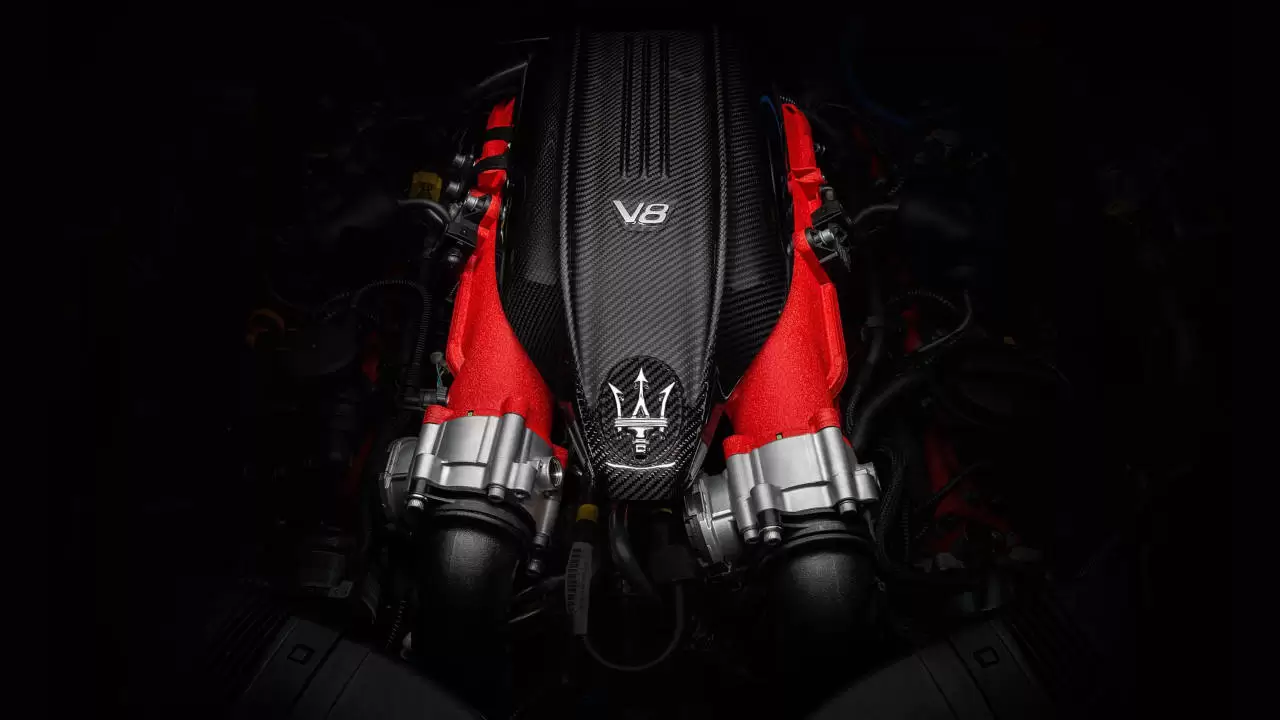
The firing order typically follows the pattern 1-8-7-2-6-5-4-3, though this varies by manufacturer. This sequence ensures even power delivery and minimizes vibrations throughout the engine's operating range. Modern V8s incorporate sophisticated engine management systems to optimize this process for maximum efficiency and performance.
Four-Stroke Cycle in V8 Engines:
- Intake: Air-fuel mixture enters through valvetrain system
- Compression: Piston compresses mixture for optimal combustion
- Power: Spark plug ignites mixture, driving piston downward
- Exhaust: Burned gases expelled through exhaust valves
Valve Control Systems
V8 engines utilize two primary valve control methods: overhead camshaft systems with chain or belt drive, and traditional pushrod configurations with rocker arms. Each system offers distinct advantages in terms of performance, maintenance requirements, and manufacturing costs.
What Are the Key Differences Between V6, V8, and V12 Engines?
Understanding engine configurations helps buyers make informed decisions based on their performance needs and budget considerations. V6, V8, and V12 engines each offer distinct characteristics suitable for different vehicle types and driving requirements in the UAE market.
| Feature | V6 Engine | V8 Engine | V12 Engine |
|---|---|---|---|
| Power Output | Moderate | High | Very High |
| Fuel Consumption | Moderate | High | Very High |
| Purchase Cost | Lower | Medium | High |
| Maintenance Complexity | Easier | Moderate | Complex |
| Common Applications | Family Cars | Sports/Luxury Cars | Exotic Supercars |
V8 engines strike an optimal balance between performance and practicality, making them ideal for luxury sedans, sports cars, and premium SUVs popular in the UAE market. They provide significantly more power than V6 engines while remaining more accessible than V12 configurations.
Why Do UAE Drivers Still Choose V8 Engines in 2025?
Despite increasing environmental regulations and alternative powertrains, V8 engines remain highly desirable among UAE drivers for several compelling reasons. The combination of performance, reliability, and emotional appeal continues to drive demand in the luxury and sports car segments.
The UAE's unique driving environment, with extensive highway networks and challenging desert conditions, particularly suits V8 engine characteristics. These engines provide the power reserves necessary for highway cruising, air conditioning demands, and occasional off-road excursions.
- Compact packaging: Twin cylinder banks fit efficiently in modern engine bays
- Balanced power delivery: Opposing piston movements ensure smooth operation
- Cost-effective manufacturing: Fewer complex components reduce production costs
- Simplified maintenance: Accessible cylinder heads minimize service time
- Optimized fuel distribution: Balanced intake manifold design ensures even mixture distribution
- Proven durability: Decades of development ensure long-term reliability
Is the V8 Engine Still Relevant for Future Automotive Needs?
The V8 engine maintains relevance in 2025 through technological evolution and strategic market positioning. While facing pressure from electrification trends, V8 engines are adapting through hybrid integration and efficiency improvements to meet contemporary demands.
Manufacturers are investing in V8 development for specific market segments where electric alternatives cannot yet match performance requirements. This includes high-performance sports cars, luxury vehicles, and commercial applications requiring substantial power output.
V8 Engine Future Trends:
- Hybrid integration: Electric motors complement V8 power for improved efficiency
- Advanced materials: Lightweight construction reduces overall vehicle weight
- Emission compliance: Updated designs meet stringent environmental regulations
- Niche applications: Focus on premium and performance vehicle segments
Market Positioning Strategy
V8 engines are increasingly positioned as premium powertrains for enthusiasts and buyers seeking maximum performance. This strategic approach ensures continued relevance while acknowledging the broader industry shift toward electrification.
Which 2024-2025 Models Still Feature V8 Engines in the UAE?
Several prestigious automotive brands continue offering V8-powered models in the UAE market, catering to buyers seeking traditional performance and luxury. These vehicles represent the pinnacle of V8 engineering and design excellence.
The UAE's luxury car market supports continued V8 availability across multiple segments, from high-performance sports cars to premium SUVs. These models showcase the latest V8 technology while maintaining the characteristics that make these engines desirable.
- Mercedes-Benz G-Class - Premium off-road luxury SUV
- Bentley Continental - Grand touring luxury coupe
- BMW 8-Series - High-performance luxury sports car
- Nissan Patrol - Full-size SUV for Middle East conditions
Performance Specifications
These modern V8 engines deliver impressive performance figures while incorporating advanced technologies for improved efficiency and reduced emissions. Power outputs typically range from 400 to over 600 horsepower, depending on the specific application and tuning.
Should You Consider Buying a V8-Powered Vehicle in 2025?
Purchasing a V8-powered vehicle in 2025 makes sense for buyers prioritizing performance, towing capability, and driving experience over maximum fuel efficiency. These engines excel in applications requiring substantial power reserves and consistent performance under demanding conditions.
Consider your specific driving needs, including highway usage, towing requirements, and performance expectations. V8 engines provide unmatched capability for off-road adventures, boat towing, and high-speed highway cruising common in the UAE driving environment.
V8 Engine Ideal Applications:
- High-performance sports car enthusiasts
- Luxury vehicle buyers seeking prestige
- Towing boats, trailers, or recreational vehicles
- Off-road adventure and desert driving
- Long-distance highway cruising
Frequently Asked Questions About V8 Engines
What Does "V8" Specifically Mean in Automotive Terms?
V8 refers to an internal combustion engine configuration featuring eight cylinders arranged in two banks of four cylinders each, positioned at a 90-degree angle forming a "V" shape. This design maximizes power output while maintaining compact dimensions suitable for various vehicle applications.
Are V8 Engines More Powerful Than V6 Alternatives?
Yes, V8 engines generally produce significantly more power and torque than V6 engines due to their additional two cylinders and larger displacement. This translates to superior acceleration, towing capacity, and high-speed performance, though at the cost of increased fuel consumption.
Why Should Someone Choose a V8 Engine Over Smaller Alternatives?
V8 engines provide exceptional acceleration, substantial towing capacity, and the distinctive engine sound that enthusiasts value. They're particularly suitable for luxury vehicles, sports cars, and applications requiring consistent high power output under demanding conditions.
Do V8 Engines Consume Significantly More Fuel?
V8 engines typically consume more fuel than smaller engines due to their larger displacement and higher power output. However, modern V8s incorporate advanced technologies including cylinder deactivation, direct injection, and variable valve timing to improve efficiency during light-load conditions.
How Long Can V8 Engines Last With Proper Maintenance?
Well-maintained V8 engines routinely exceed 100,000 miles and can last significantly longer with proper care. Regular maintenance including oil changes, spark plug replacements, and cooling system service ensures optimal longevity and performance throughout the engine's service life.
V8 Engine Maintenance and Ownership Considerations
V8 engine ownership requires understanding the specific maintenance requirements and associated costs. These engines typically have more components than smaller alternatives, including additional spark plugs, fuel injectors, and valvetrain components that require periodic service.
However, the robust construction and proven reliability of V8 engines often offset higher maintenance costs through extended service intervals and reduced likelihood of major repairs. Many V8 engines are designed for easy maintenance access, reducing labor costs for routine service.
- Regular oil changes every 5,000-7,500 kilometers
- Spark plug replacement every 50,000-80,000 kilometers
- Cooling system maintenance for optimal temperature control
- Air filter replacement for optimal performance
- Fuel system cleaning to maintain injection efficiency
Conclusion: The Enduring Appeal of V8 Power
V8 engines continue to represent the pinnacle of automotive performance and engineering excellence in 2025. Despite evolving market conditions and environmental considerations, these powertrains maintain their appeal through technological advancement and strategic market positioning.
For UAE drivers seeking maximum performance, towing capability, and driving excitement, V8 engines remain an compelling choice. Their proven reliability, distinctive character, and unmatched power delivery ensure continued relevance in the luxury and performance vehicle segments.
Looking for a used car for sale in Dubai or new car for sale in Dubai?
Discover powerful V8 vehicles and more at YallaMotor - your trusted automotive marketplace in the UAE.