
How to Prepare your Car for Long Distance Drives in the UAE
Tags:
Essential Car Preparation Tips for Memorable Road Expeditions in the UAE
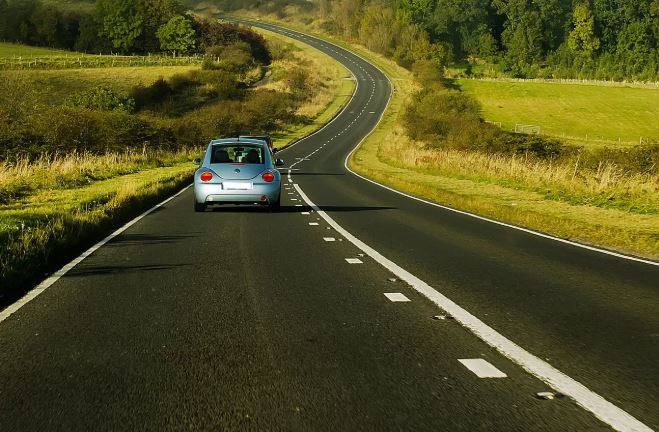
The UAE is a haven for thrill-seekers as it not only offers vast expanses of well-paved roads but also varied terrains that provide access to beautiful landscapes, scenery, and camping destinations. Having a dependable companion to embark on such excursions is quintessential for a smooth journey, relishing stay, and a memorable experience. This companion is nothing else but your car. It transforms the idea of traversing miles away from home into reality. Here are certain precautionary measures to perform to ensure a memorable expedition.
1. Check Fluid Levels
The foremost fluid to ascertain is the engine oil. The engine is the heart of the car. As it is the sole force responsible for generating power, it is essential that it receives adequate lubrication. A lot of abrasion and heat are generated in the engine compartment during long drives. Hence, ensure that the engine oil is topped up. Raise the dipstick, reinsert, and check the oil level. This is a must for used cars.
To prevent the car from overheating, it is essential to check the coolant level in the reservoir. If it is not enough, it is crucial to fill it up completely so that the journey is accomplished without any bottlenecks.
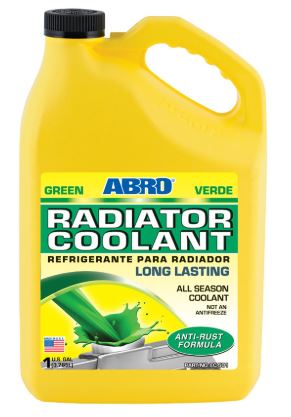
Unlike errands which would involve city driving greatly, such ventures involve high-speed driving on freeways. Hence, checking brake fluid can play an integral role in bringing the car to a fast standstill in an emergency.
Long-distance cruising also incorporates fording through different weather conditions, besides terrains. This mandates keeping the washer fluid topped up so that visibility isn’t compromised.
2. Inspect and Inflate Tires
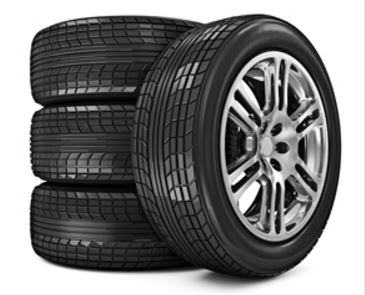
Maintaining optimal tire pressure is indispensable, especially for long-distance journeys. Tires go through a lot of pressure and friction with the road surface as these are subjected to tremendously high velocities. Under-inflated tires pose a threat of bursting or punctures while well-inflated tires will be able to withstand all adversities and clinch a seamless driving experience. While inflating, read the slip stuck on the driver’s side door and fill air accordingly. Many new cars come with tire pressure monitoring systems to alert if any tire needs attention.
3. Ensure the Battery is Charged
Car battery is the component everything else is based on. It provides the ‘juice’ for the engine, mechanical and electrical items to come to life. Immense amounts of battery power are used during long journeys as all sensors, air-conditioning, and mechanical parts rely on it. Hence, it becomes important to charge the battery fully before the commencement of the drive.
4. Test all Lights and Signals
Besides serving its fundamental duty of providing vision, lights are also used to signal certain happenings to other road users and abate the possibility of a collision or make them susceptible to any danger. Headlights, high-beam function, dipper, hazard lights, and reverse lights should be carefully checked as these can come handy when needed.

5. Replace Essential Worn-out Components
Brake pads and wipers tend to wear out on repeated use as these are continuously exposed to the environment. Driving in rainy weather on slippery roads or maneuvering a rutted section with worn-out brake pads is a huge risk to the automobile, passengers, and other people as the car won’t be able to come to a halt in due time. Likewise, wiper blades should be checked frequently and if eroded, should be replaced immediately.
6. Carry All Essential Items
Items such as non-perishable snacks, water, first aid material, medicines, a warning triangle, and clothing suitable for weather conditions should be kept inside the car as these nifty articles will support in cases of emergency or prolonged stay. Vehicle documents such as registration card, insurance, and driver’s license should be checked and kept before departure.
