Why Understanding Flood-Damaged Car Insurance Is Important in the UAE
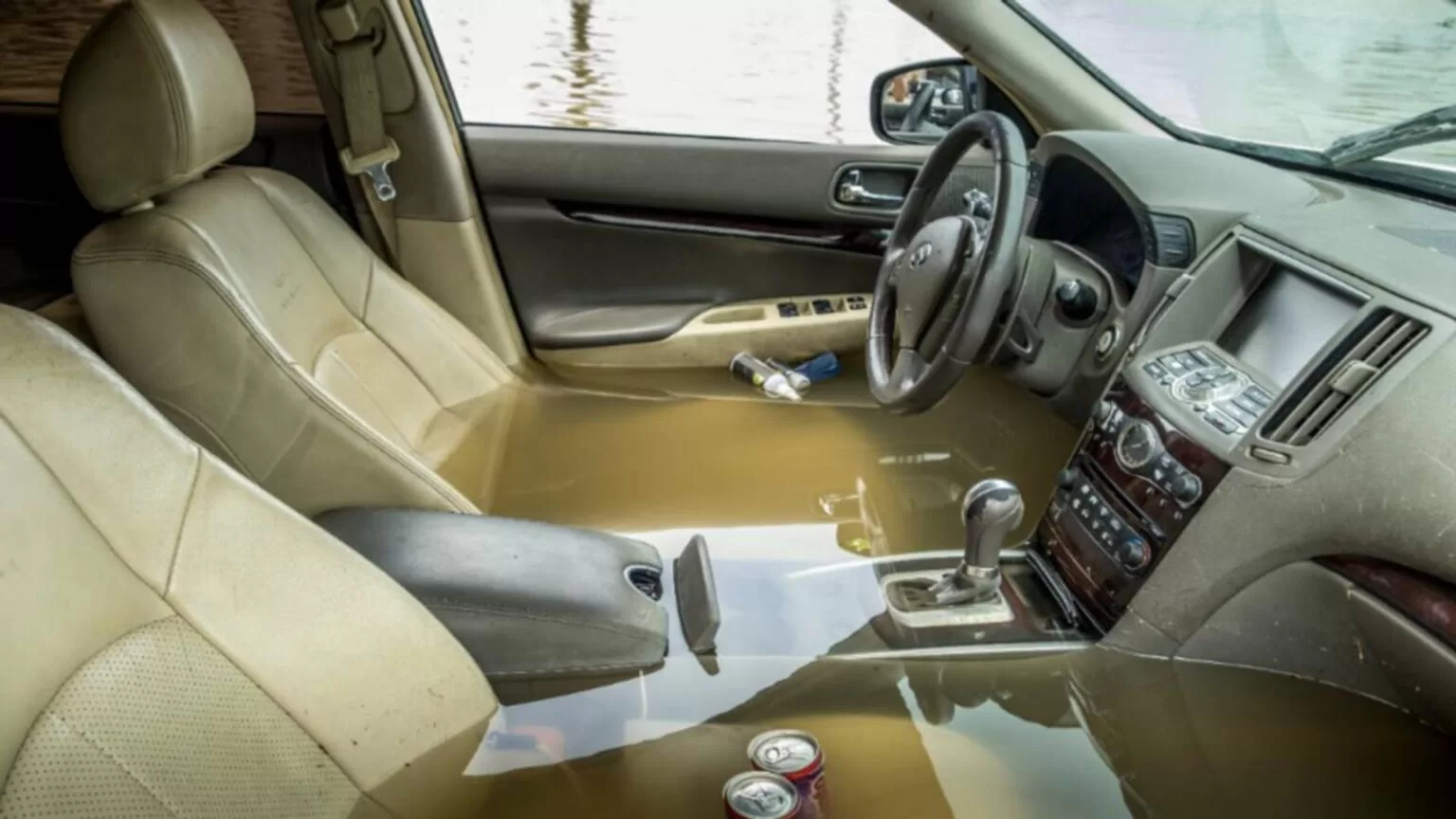
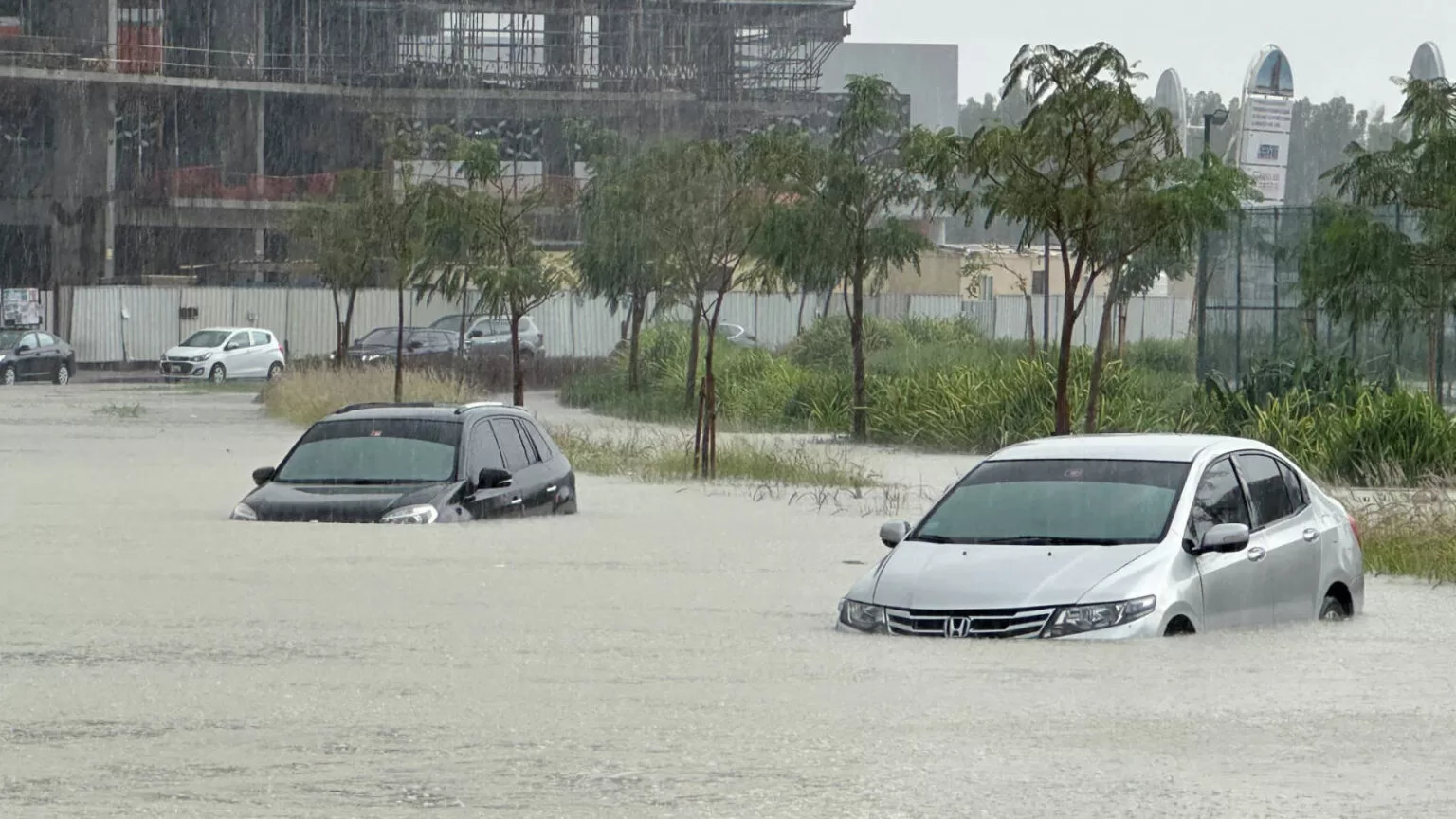
Flooding can cause severe damage to vehicles in the UAE, especially during heavy rain or flash floods. While accidents are more common, flood damage can be expensive and complicated to claim without proper knowledge of insurance policies.
Understanding how flood coverage works ensures UAE car owners can protect their investment and navigate claims efficiently when disaster strikes.
What Types of Car Insurance Are Relevant for Flood Damage?
In the UAE, two main types of car insurance exist: mandatory third-party liability and optional comprehensive coverage. Only comprehensive insurance can protect your car against flood damage.
- Third-Party Liability: Mandatory, covers damage caused to others but not your own vehicle, including floods.
- Comprehensive Coverage: Optional, covers your vehicle for fire, theft, vandalism, and natural disasters, potentially including floods.
Does Comprehensive Insurance Automatically Cover Flood Damage?
Not all comprehensive policies include flood coverage by default. Policyholders must carefully read terms like “Acts of God” or “natural disasters” to determine if floods are included.
Some insurers provide flood protection as an add-on. While this may increase premiums, it guarantees coverage for flood-related damage. For more safety, refer to our guide on protecting your car from flood damage.
How to Claim Insurance for Flood-Damaged Cars
Filing a successful insurance claim after flood damage requires careful documentation and adherence to insurer procedures.
- Take photos and videos of all damage, surrounding floodwaters, and debris.
- File a police complaint if applicable. Dubai police now provide online ‘To Whom It May Concern’ certificates for insurance use.
- Notify your insurance company immediately. Provide details about the flood event, vehicle location, and prior flood damage history.
Common Reasons Flood Claims Are Rejected
Several factors can lead to claim rejection. Being aware of them helps UAE drivers avoid unnecessary denials.
- Having only mandatory third-party coverage, which excludes flood damage.
- Not reading the policy carefully; some comprehensive policies exclude flood under “Acts of God” with specific exceptions.
- Failure to report the claim within the insurer’s required timeframe (usually 24–48 hours).
- Poor documentation or lack of photographic evidence.
- Starting the engine before inspection, causing further damage.
- Repairing the car before insurer inspection.
- Negligence, like parking in flood-prone areas despite warnings.
- Repeated flood damage without proper repairs or declaration.
Tips to Improve Your Flood Claim Approval Chances
Following these best practices can increase the likelihood of a successful claim:
- Review your insurance policy annually to ensure coverage is adequate.
- Add flood protection as an add-on if living in high-risk areas.
- Avoid parking in low-lying or flood-prone areas during heavy rain.
- Document all damage and keep records for insurer review.
- Contact your insurance company for guidance before making repairs.
What to Do With a Flood-Damaged Car
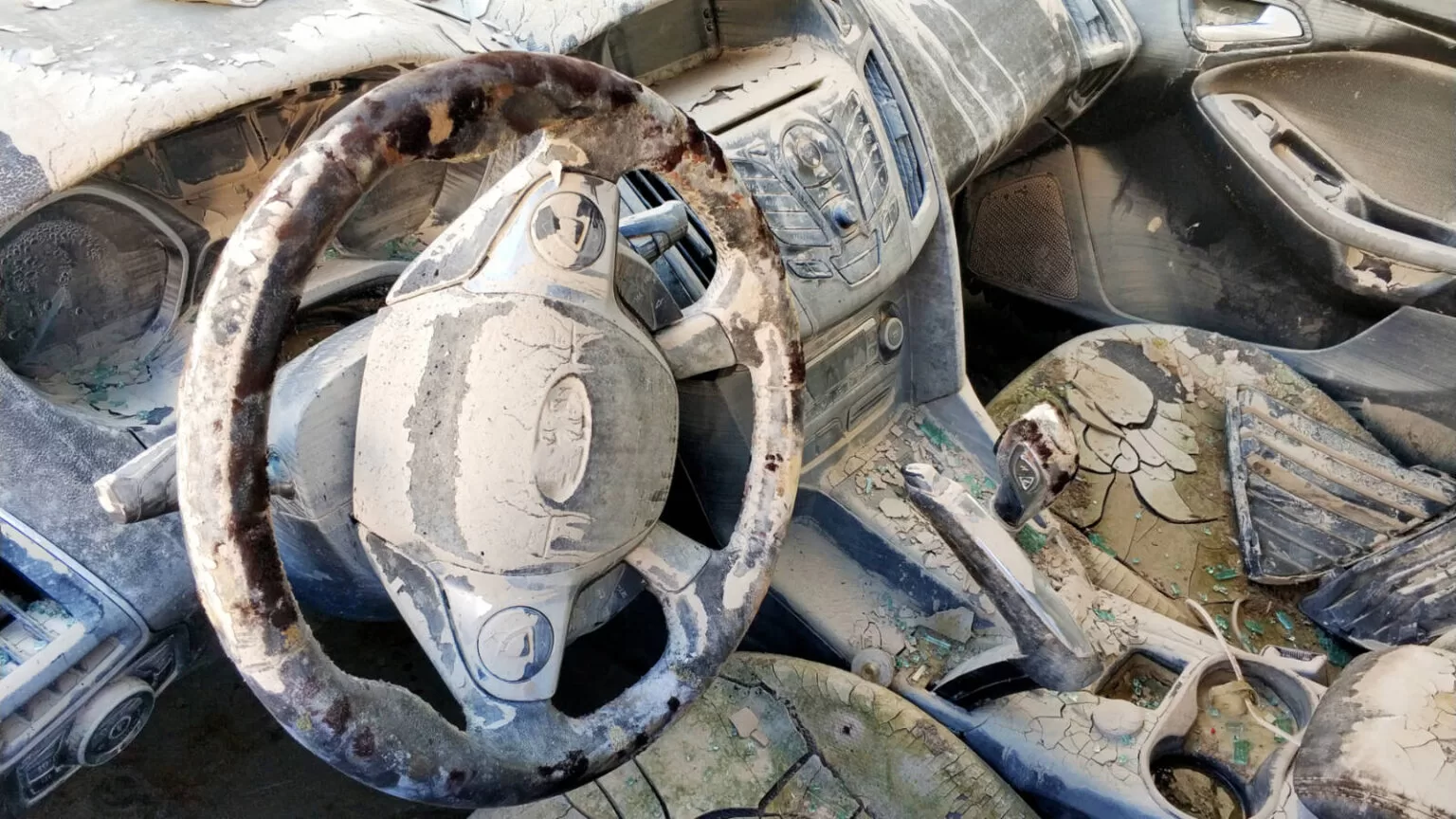
After a flood, do not attempt to start the car. Focus on documenting damage, disconnecting the battery, and drying interiors. Immediate insurer notification ensures proper assessment and claim processing.
For detailed steps on recovery and repair, check our guide on what to do with a flood-damaged car.
Final Thoughts on Flood-Damaged Car Insurance in the UAE
Floods may be uncommon, but the financial and safety risks are significant. Understanding insurance coverage, reporting procedures, and preventive measures can save UAE drivers from costly mistakes.
Being flood-ready and knowing how to navigate insurance claims ensures that you are prepared when unpredictable weather strikes.
Looking for a used car for sale in Dubai or new car for sale in Dubai?