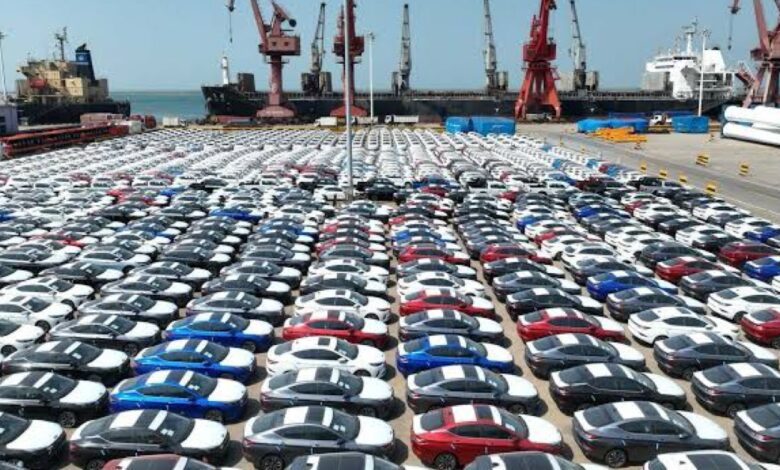
The Ministry of Investment has established new regulations for personal vehicle imports, introducing strict controls aimed at stabilizing the market. According to these new rules, each importer is allowed to import only one vehicle every five years, provided they submit a bank statement demonstrating their financial capacity.
Conditions for Personal Vehicle Imports
The regulations stipulate that the payment for the vehicle must be made and Form 4 completed through Egyptian banks. However, there are exceptions for diplomats and Egyptians working abroad, as their payments can be made from overseas.
Exceptions and Clarifications Regarding the Decision
The decree emphasizes that shipments arriving at Egyptian ports or opened under a documentary credit prior to the decision's implementation are exempt, taking into account legal aspects that prevent retroactive enforcement of the regulations.
Statements from Consultant Osama Abu Al-Majd
In this context, Consultant Osama Abu Al-Majd, President of the Car Dealers Association and Vice President of the Automotive Division at the General Federation of Chambers of Commerce, stated that these new rules aim to curb the phenomenon of "client traders," which has harmed the local market.
- Limiting Vehicle Imports by Individuals: Restricting imports to one vehicle every five years will reduce the exploitation of personal imports for quick profits.
- Impact of Previous Chaos: The previous chaos resulted in losses for the state, consumers, and traders alike.
Impacts on the State, Traders, and Consumers
The state has lost significant customs revenues and taxes, while consumer prices have risen due to speculation and bidding wars. Traders faced unfair competition from clients who transformed into traders thanks to the leniency of previous laws, leading to the closure of car dealerships and layoffs due to heavy financial burdens.
New Exceptions
Abu Al-Majd added that the law's exemption for shipments arriving before the new decision reflects the Ministry of Investment's respect for acquired legal rights. He expressed hope that these exemptions would also include the release of vehicles for individuals with disabilities currently held in customs, without imposing additional costs on them, considering their special circumstances.