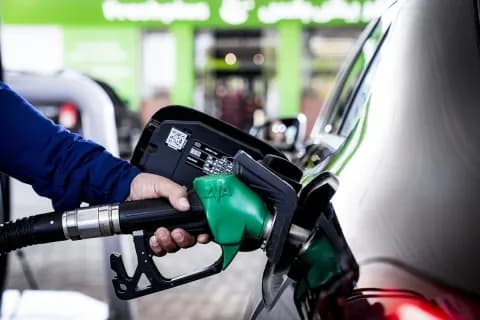
The recent increase in UAE fuel prices, effective February 1, after two months of stable rates, raises questions about the possibility of further hikes in the months ahead. This change comes against the backdrop of ongoing trade tensions and shifts in the global oil market.
Global Oil Market Dynamics and Their Impact on UAE Fuel Prices
Analysts indicate that additional price increases cannot be ruled out, as the global oil market remains volatile, influenced by geopolitical tensions and economic changes. Since the UAE deregulated fuel prices in 2015, adjustments have been made monthly to align with global market fluctuations.
The latest price hike has reignited discussions about the sustainability of low fuel prices in the region, especially considering the historical pricing trends in the UAE.
Fuel Price Changes for February 2025
For February, the new fuel prices are as follows:
- Super 98 Petrol: Dh2.74 per litre (up from Dh2.61 in January).
These prices remain significantly lower than the peak price of Dh4.63 per litre recorded in July 2022, which was driven by rising global oil demand and the economic recovery following the Covid-19 pandemic.
Global Economic Challenges and Potential for Price Shifts
As the global economy navigates complex challenges, the future of petrol costs remains uncertain. Analysts suggest that current oil market trends indicate the potential for further price shifts. They warn that Brent crude prices could again breach the $80 per barrel mark if geopolitical tensions escalate, particularly with US sanctions on Iran and disruptions in North American supply chains.
According to a recent Wall Street Journal survey, Brent crude is expected to average $75.33 per barrel in the first quarter of 2025, with projections slightly decreasing in subsequent quarters. This volatility is shaped by various factors, including geopolitical events and anticipated impacts of US trade policies.
The Impact of Geopolitical Tensions on Oil Prices
President Trump's renewed focus on Iran, through a "maximum pressure" campaign, seeks to eliminate Iranian oil exports, which could remove up to 1.3 million barrels per day from the global market. Historical precedents suggest that such actions can lead to significant price increases, as evidenced in 2018 when oil prices surged past $80 per barrel due to intensified sanctions.
What Does This Mean for UAE Motorists?
As the UAE adjusts its fuel prices, the implications for motorists are significant. While short-term increases may be likely due to geopolitical tensions, the long-term outlook could stabilise if Opec+ decides to increase production or if economic concerns dampen demand.
Goldman Sachs and other major financial institutions have noted that while immediate risks may push prices higher, the longer-term forecast remains cautious due to high spare capacity and potential demand destruction from tariffs.
Outlook for UAE Motorists
UAE motorists, who have become accustomed to relatively stable and low fuel prices, may need to prepare for fluctuations in the coming months. The interplay between domestic pricing policies and international market dynamics will be crucial in determining how these changes impact consumers at the pump.
As the UAE adjusts its fuel prices for February, the outlook for motorists is mixed. While current prices reflect global uncertainties and geopolitical tensions, there is potential for stabilization in the medium to long term. Motorists in the UAE should remain informed about local pricing adjustments and global oil market trends as they navigate the evolving landscape of fuel costs.
Looking for a used car for sale in Dubai? or new cars for sale in Dubai?