What is the UAE Etihad Rail project?
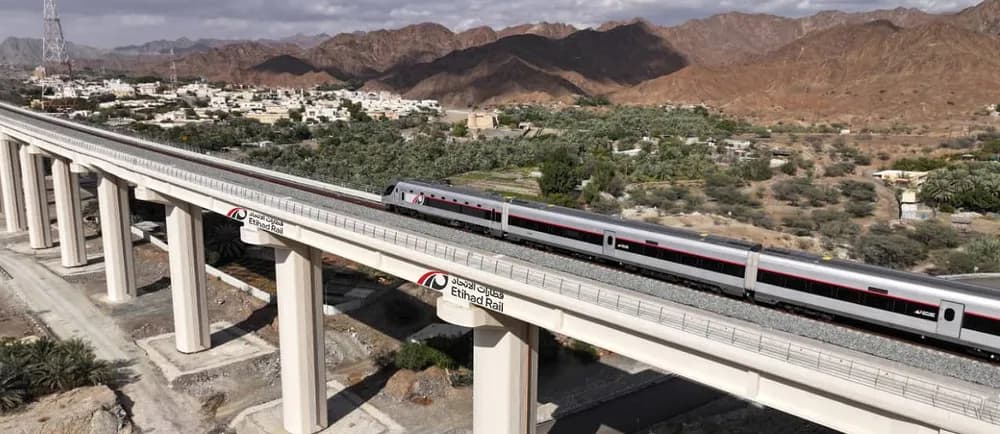
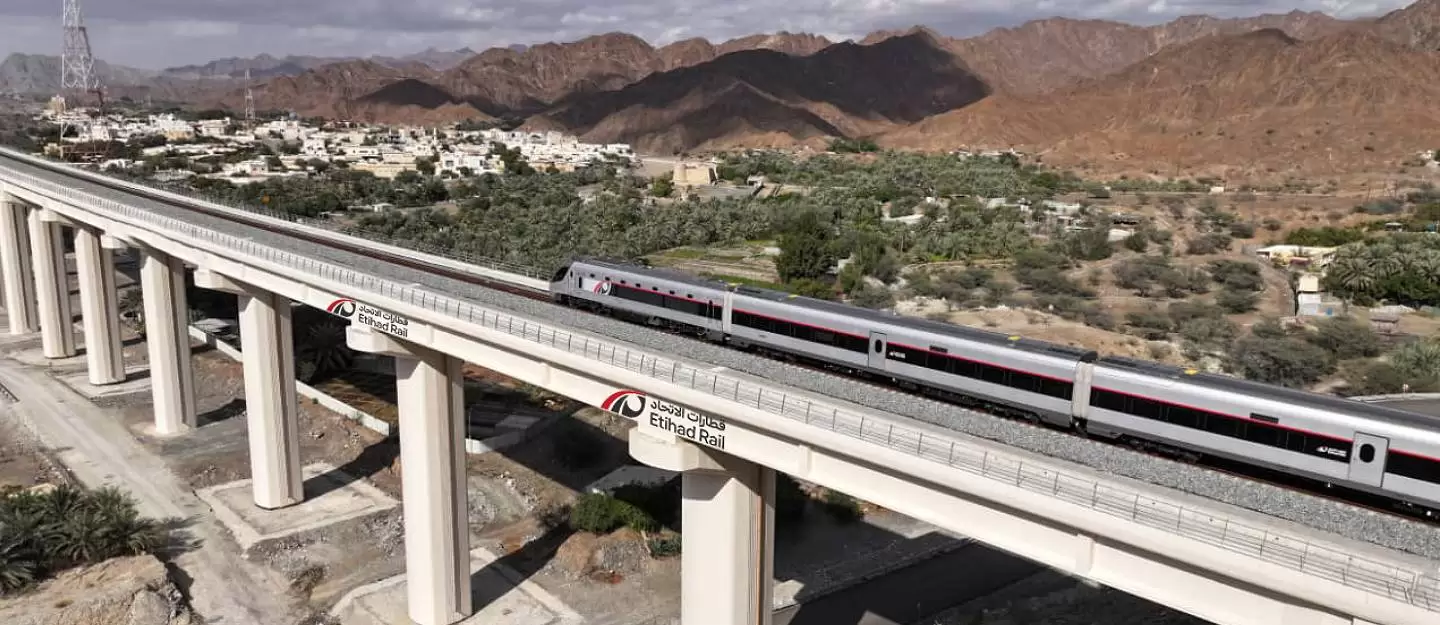
The UAE Etihad Rail project is the country’s flagship national railway system, designed to connect all seven emirates through a modern freight and passenger rail network. It supports economic growth, reduces road congestion, and positions rail as a core mode of transport across the UAE.
Developed under Federal Law No. 2, Etihad Rail serves as both the developer and operator of the UAE’s railway infrastructure. The project is being rolled out in phases, combining heavy-haul freight operations with high-speed passenger rail to create a unified, future-ready transport backbone.
Why is Etihad Rail important for the UAE?
Etihad Rail plays a strategic role in national development by improving logistics efficiency, enabling intercity mobility, and supporting sustainability goals. It reduces reliance on road transport while strengthening links between industrial zones, ports, and population centers.
As part of the wider GCC railway vision, the UAE Etihad Rail network is also designed to enhance regional connectivity, positioning the country as a logistics and transport hub for the Gulf.
- Supports economic diversification beyond oil
- Improves supply chain reliability and efficiency
- Offers a cleaner alternative to road-based transport
What does the Etihad Rail map and national network look like?
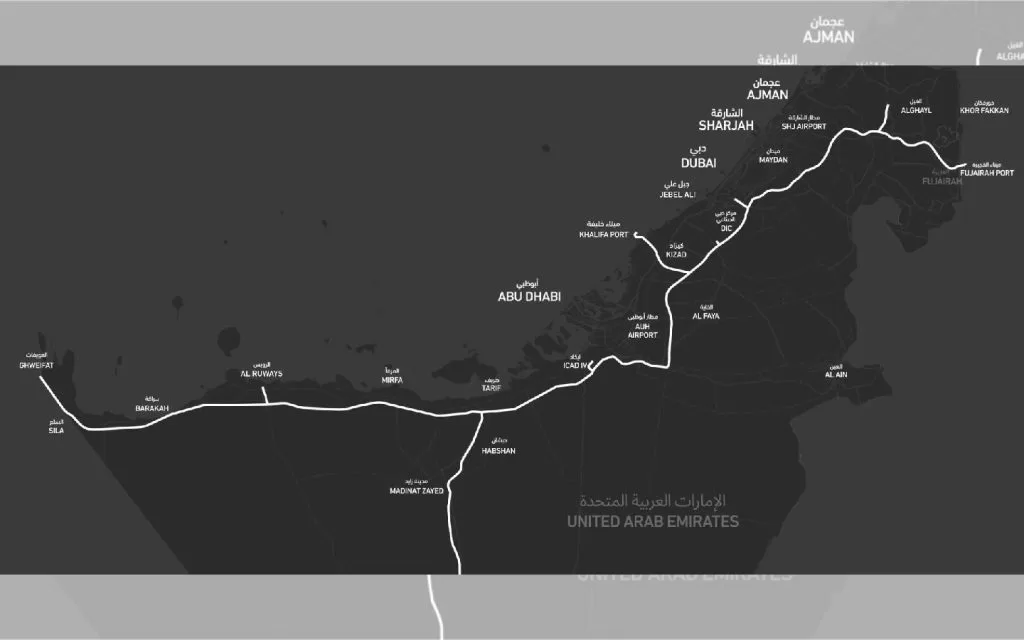
The Etihad Rail map currently spans around 900 kilometres across the UAE, with long-term expansion plans expected to extend the network to approximately 1,200 kilometres. The layout mirrors the reach of the country’s major highways, ensuring nationwide accessibility.
This extensive coverage allows Etihad Rail connectivity to reach urban centres, remote regions, and key economic zones, making rail transport viable for both passengers and freight.
Coverage across all seven emirates
The network connects Abu Dhabi, Dubai, Sharjah, Ajman, Umm Al Quwain, Ras Al Khaimah, and Fujairah. This nationwide scope ensures that rail becomes an integral part of everyday mobility and commercial transport across the country.
What is the full Etihad Rail route?
The Etihad Rail route stretches from Ghuwaifat on the UAE–Saudi Arabia border to Fujairah on the eastern coast. This east-to-west corridor links industrial zones, ports, and population centres, creating a seamless rail spine across the country.
By connecting inland regions with coastal ports, the route supports faster cargo movement while enabling future passenger travel between major cities and towns.
- Direct access to major ports and logistics hubs
- Integration with planned GCC railway connections
- Improved connectivity for remote and industrial areas
Which major hubs does Etihad Rail connect?
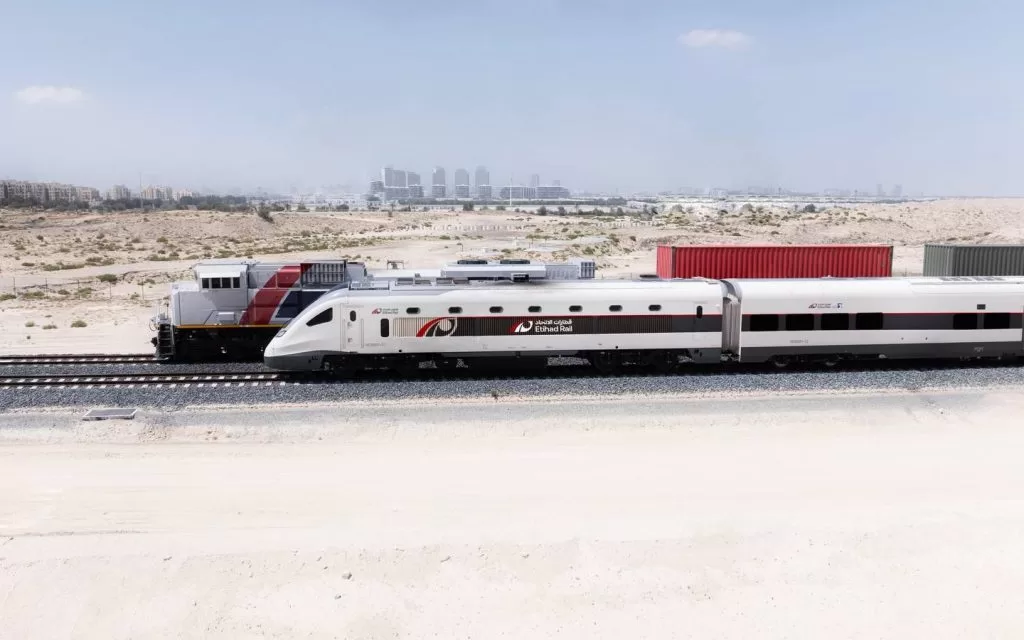
Etihad Rail stations and freight terminals are strategically located to serve the UAE’s most important economic nodes. These hubs ensure smooth movement of goods and passengers between production centres, ports, and urban areas.
Key ports and industrial zones
The network connects Khalifa Port in Abu Dhabi, Jebel Ali Port in Dubai, and Port of Fujairah. Industrial areas such as Ruways, Ghuwaifat, and the Industrial City of Abu Dhabi are also integrated into the rail system.
When will Etihad Rail passenger train services start?
Etihad Rail passenger services in the UAE are scheduled to officially begin operations in 2026. This milestone will introduce intercity train travel as a new transport option for residents and visitors.
The launch marks a significant shift in how people move between emirates, offering a reliable alternative to road travel and short-haul flights.
Which cities will Etihad Rail passenger trains connect?
The Etihad Rail passenger network will initially connect 11 cities and regions across the UAE through strategically located stations. This coverage is designed to balance urban demand with regional accessibility.
Planned Etihad Rail passenger stations
- Abu Dhabi: Mohammed Bin Zayed City, Al Sila’, Al Dhannah, Al Mirfa, Madinat Zayed, Mezaira’a, Al Faya
- Dubai: Jumeirah Golf Estates (interchange with Dubai Metro Red Line)
- Sharjah: University City
- Fujairah: Al Hilal (Sakamkam)
- Other locations: Al Dhaid
How fast are Etihad Rail passenger trains?
Etihad Rail passenger trains will operate at speeds of up to 200 km/h, enabling fast and efficient intercity travel across the UAE. This makes rail a competitive option compared to driving, especially during peak traffic hours.
The trains are designed to deliver a comfortable and modern travel experience while maintaining high safety and reliability standards.
Passenger train specifications
- Capacity of up to 400 passengers per train
- Modern interiors with ergonomic seating
- Wi-Fi connectivity and individual power outlets
- Fleet status: 10 of 13 trains delivered and tested as of January 2026
How does Etihad Rail freight transport work?
Freight operations form the foundation of Etihad Rail and have been active since February 2023. The freight network supports large-scale cargo movement across the UAE, reducing pressure on roads and lowering transport costs.
Rail freight plays a critical role in supporting construction, manufacturing, and trade by offering a reliable and high-capacity alternative to trucking.
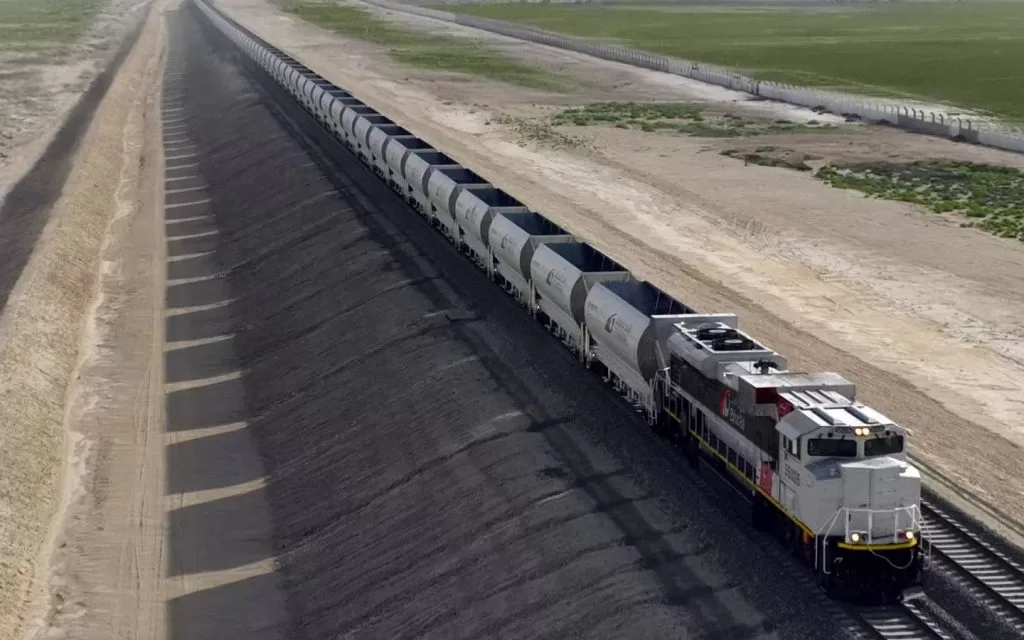
Freight network capacity
Initial operations began in 2016 with a 264 km line transporting granulated sulphur from Shah and Habshan to Ruways. By 2030, Etihad Rail aims to handle up to 60 million tonnes of cargo annually.
Types of cargo transported
- Aggregates and construction materials
- Containers and general cargo
- Ceramics, polymers, metals, and sugar
- Food, beverages, and agricultural products
Specialised freight equipment
Etihad Rail uses advanced rolling stock, including intermodal containers, flat-bed wagons, hopper wagons for bulk materials, and temperature-controlled carriages for perishables. RailDirect, a joint venture with DHL, enhances cross-border logistics capabilities.
What is Hafeet Rail and why does it matter?
Hafeet Rail is a cross-border railway project linking the UAE and Oman, strengthening trade and logistics ties between the two countries. It represents a key step toward regional rail integration.
Project structure and infrastructure
- Joint venture between Etihad Rail, Oman Rail, and Mubadala
- 238 km Phase 1 route connecting Sohar Port to the UAE network
- Includes tunnels, viaducts, and advanced signalling systems
How does Etihad Rail support sustainability and economic growth?
The UAE Etihad Rail project delivers significant environmental and economic benefits. A single freight train can replace up to 300 trucks, cutting emissions and easing road congestion.
Passenger services promote domestic tourism, improve accessibility, and reinforce national integration, while station and train designs reflect a distinct Emirati identity.
Frequently Asked Questions about Etihad Rail
When will passenger services officially begin?
Etihad Rail passenger services are scheduled to start in 2026.
How many cities will be connected?
The initial passenger network will connect 11 cities and regions across the UAE.
What is the maximum speed of passenger trains?
Passenger trains will operate at speeds of up to 200 km/h.
The future of transport in the UAE
With the launch of passenger services, the UAE Etihad Rail project is set to redefine intercity travel and logistics. By combining high-speed passenger rail with a mature freight network, it marks a major shift in how people and goods move across the country.
Alongside this expanding public transport ecosystem, the UAE continues to offer diverse mobility choices. From rail travel to personal vehicles, residents can explore a wide range of options, including browsing new cars for sale in the UAE or finding value-driven options among used cars for sale in Dubai.