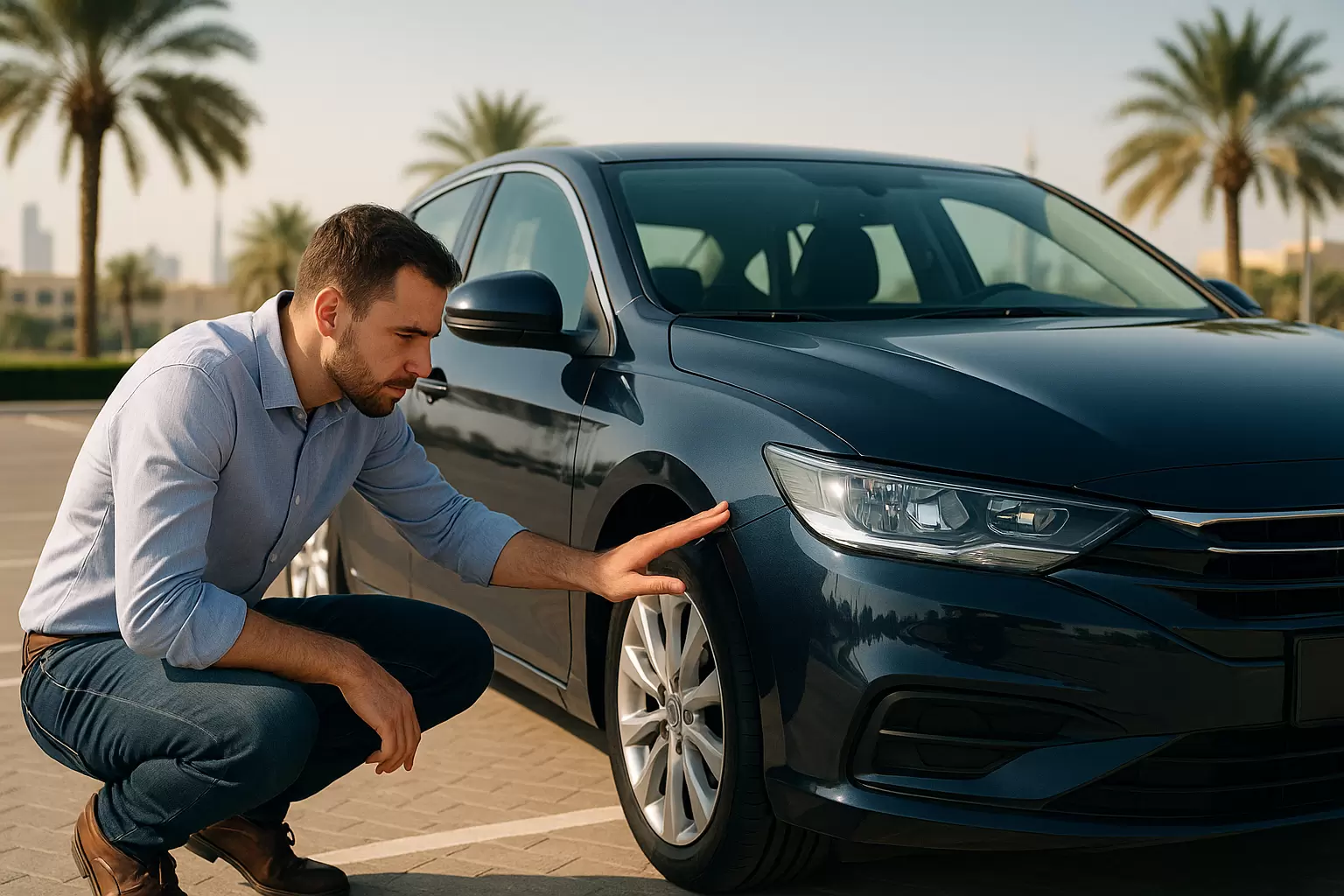
Buying a used car in the UAE can save you money, but it requires careful planning. Here's how to make a smart choice:
-
Set a Budget: Include not just the car price, but also insurance, registration, maintenance, and fuel costs. Use tools like YallaMotor's valuation feature to check fair market prices.
-
Know Your Needs: Whether for city commutes, family trips, or off-road adventures, pick a vehicle type (sedan, SUV, or 4WD) that fits your lifestyle.
-
Inspect the Car: Check the exterior, interior, tyres, and air conditioning thoroughly. Review service records and verify the car's history via platforms like RTA or MOI.
-
Certified vs Regular Used Cars: Certified Pre-Owned cars offer warranties and inspections but cost more. Regular used cars are cheaper but require independent checks.
-
Complete Legalities: Ensure fines are cleared, documents are in order, and ownership is transferred through RTA. Use secure payment methods like bank transfers.
YallaMotor simplifies the process with listings, inspection services, and financing options, helping you find a reliable car that suits your budget and needs.
Step by Step Car Buying Guide for the UAE 2025!
Set Your Budget in AED
Before diving into car listings, it’s crucial to set a budget that accounts for the complete cost of owning a vehicle in the UAE. Many buyers focus only on the sticker price, but the actual expense goes far beyond the initial payment. Factoring in all costs will help you pick a car that fits your financial situation. This approach provides a solid foundation for evaluating models and financing options.
Calculate Total Ownership Costs
When planning your budget, include everything - registration fees, comprehensive insurance, regular maintenance, Salik tolls, fuel expenses, and depreciation. Depreciation is particularly important in the UAE, where cars tend to lose value quickly in the fast-paced market.
Check Market Prices
Once you’ve set a budget, make sure it aligns with current market prices. After narrowing down models within your range, double-check that the price you’re paying is fair. YallaMotor’s car valuation tool is a great resource, giving you estimated market values based on the car’s make, model, year, mileage, and condition. This tool can help you spot overpriced listings and improve your negotiating power. Comparing similar vehicles will also give you a realistic idea of price ranges. Keep in mind that UAE-specific factors, like climate-related wear on paint and interiors, can impact a car’s value.
Choose Between Cash and Financing
Decide whether to pay in cash or opt for financing. Paying in cash eliminates interest and strengthens your negotiation position, while financing helps you preserve your savings. In the UAE, banks typically require a 20% down payment, with loan terms extending up to 60 months. For example, if you’re eyeing a car priced at AED 50,000, the down payment would be AED 10,000. Both banks and dealerships offer various financing options, including traditional auto loans and Sharia-compliant Islamic financing. Be sure to compare rates from different lenders to secure the most favourable terms.
Identify Your Driving Needs
When choosing a vehicle, think about how it fits into your daily life. Are you navigating busy city streets or heading out for off-road desert adventures on weekends? The type of driving you do most often should guide your decision. From vehicle types to fuel efficiency and resale considerations, every detail matters in finding the right match for your lifestyle.
Select the Right Vehicle Type
City driving calls for compact and practical options like sedans or hatchbacks. They’re easier to park and tend to be more fuel-efficient. Need more space? SUVs or crossovers are ideal for families or those who frequently carry extra cargo. If your weekends involve off-road trails or desert dunes, a 4WD or a rugged SUV is a better choice. Think about what you need in terms of seating, storage, and driving features to make sure your vehicle suits your specific needs.
Evaluate Fuel Type and Consumption
Fuel costs can quickly add up, so it’s important to choose wisely. Petrol engines strike a balance between performance and affordability. Diesel engines, on the other hand, are more fuel-efficient for long highway drives. If cutting down on fuel expenses is a priority, hybrids or electric vehicles are worth considering, especially if charging stations are accessible in your area. In 2025, 63% of UAE buyers opted for hybrid or electric 4x4s for everyday use, while petrol models were reserved for more extreme desert expeditions. Take a close look at your driving habits and typical mileage to find the most cost-effective option for you.
Consider Resale Value and Climate Suitability
The UAE’s intense heat is a challenge for any vehicle, so it’s crucial to choose one that can handle temperatures exceeding 50°C. GCC-spec vehicles are specifically designed for such conditions, featuring advanced air conditioning, superior cooling systems, and sand-resistant filters. These features not only improve performance but also extend component life - AC compressors, for example, can last 23% longer in these vehicles. If you’re considering a used car, focus on models known for their durability and strong resale value. Japanese and Korean brands are often top choices for their reliability. Additionally, look for features like UV-protected coatings and heat-resistant materials, as vehicles built for similar climates tend to perform better in the UAE’s harsh environment.
Check Vehicle Condition and History
Once you've set your budget and identified your driving needs, the next step is to thoroughly assess the vehicle's condition. This is a critical part of the buying process, as it helps you avoid potential issues and ensures you’re making a sound investment. From the car's exterior to its service history, every detail matters.
Inspect Exterior and Interior
Start by examining the vehicle in natural daylight. Look closely at the exterior for dents, scratches, rust (especially on lower panels, wheel wells, and the underbody), and any inconsistencies in the paint's colour or texture. Signs like overspray or mismatched paint could hint at previous accident repairs. A handy trick is to use a soft fridge magnet on the body panels - if it doesn’t stick, it might indicate the use of plastic body filler from earlier repairs.
Check the tyres for tread depth (aim for at least 5 mm) and inspect for uneven wear, which could signal alignment issues. You can also find the tyre’s manufacture date on the last four digits of the DOT code - tyres older than four years may be unsafe, especially in the UAE's extreme heat. Don’t forget to inspect the spare tyre, jack, and tool kit to ensure they’re in good shape.
Inside the car, examine the seats, door panels, and roof lining for damage like tears, stains, or excessive wear. The UAE's harsh sun can be particularly rough on leather interiors, often causing cracking and fading. Lift any seat covers and floor mats to check for hidden water damage or rust. Test all electronic features, especially the air conditioning system, which is essential in this climate. After about 15 minutes of operation, the cabin should feel 8–10°C cooler than the outside temperature. Additionally, confirm that power windows, seat adjustments, audio systems, and navigation features are functioning correctly. When you start the engine, ensure dashboard warning lights (for the engine, airbags, or ABS) light up briefly and then turn off. Be cautious of musty or smoky smells, as these could signal water leaks or mould issues.
Review Mileage and Service Records
A car's mileage reveals how much it has been used, while its service records provide a glimpse into how well it has been maintained. Always request complete service records, which should include details of routine maintenance and major repairs. In the UAE, you can use platforms like Emirates Vehicle Gate (EVG), the Ministry of Interior (MOI), or the Roads and Transport Authority (RTA) to verify a car's history using its VIN (chassis number). These records can confirm ownership details, accident history, and odometer readings, helping you spot any discrepancies.
Get a Professional Inspection
To avoid surprises, invest in a professional pre-purchase inspection (PPI). A thorough assessment by an expert can uncover hidden mechanical, electrical, or structural issues that might not be obvious during a casual check. Problems like engine damage, electrical faults, or undisclosed accident history can be costly if overlooked. Services like YallaMotor’s vehicle inspections provide detailed reports, giving you the confidence to negotiate a fair price or walk away from a deal if major problems are discovered.
Compare Certified Pre-Owned and Regular Used Cars
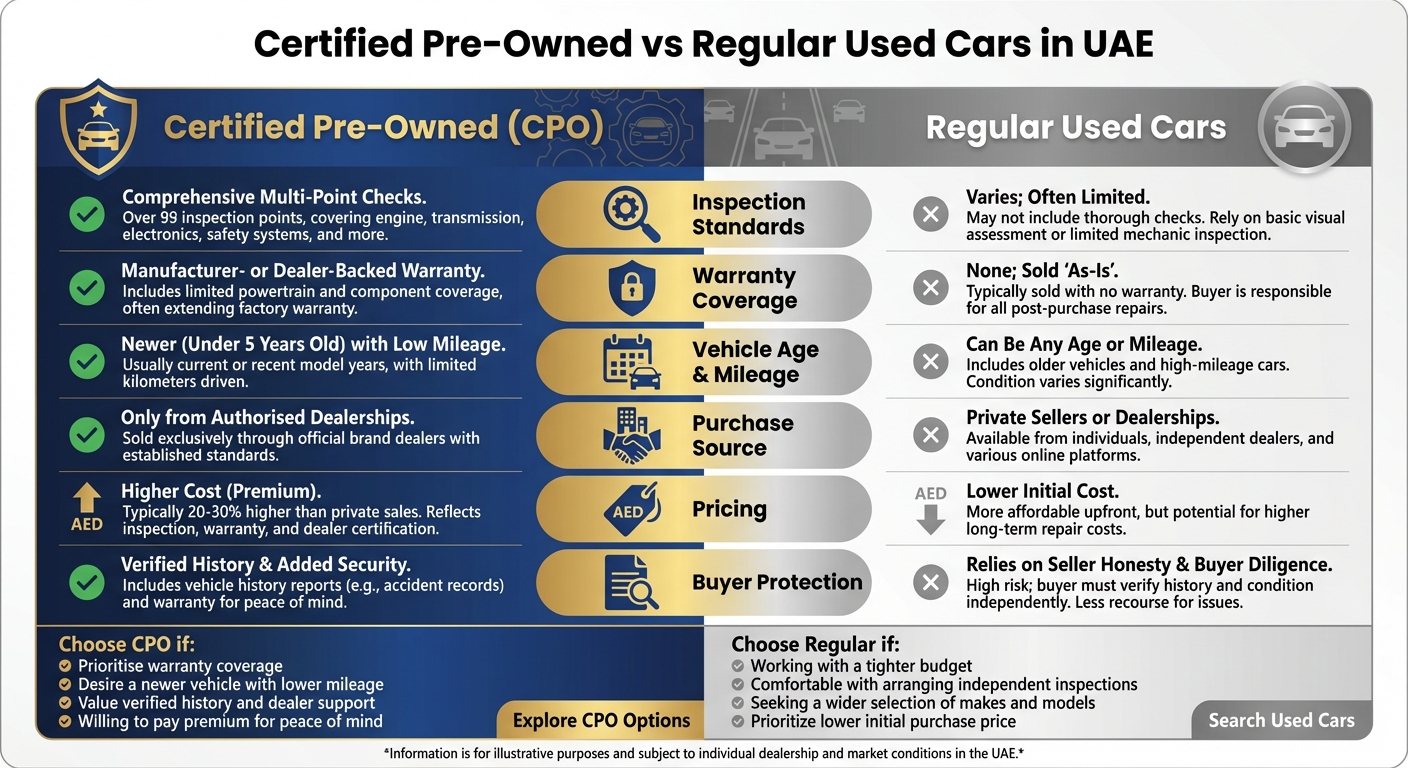
Certified Pre-Owned vs Regular Used Cars in UAE Comparison
Choosing between a certified pre-owned (CPO) car and a regular used car can feel like a balancing act. Both options cater to different needs in the UAE market, but they vary significantly in terms of reliability, cost, and buyer confidence. Here's a closer look at what sets them apart.
Benefits of Certified Pre-Owned Cars
CPO cars come with a level of assurance that regular used cars often lack. These vehicles undergo detailed multi-point inspections - usually exceeding 99 checks - conducted by authorised technicians. The inspections cover everything from the engine and brakes to the electrical system, ensuring the car meets strict manufacturer or dealership standards. On top of that, CPO vehicles include warranties, either extending the original coverage or offering a new one for at least a year, with options to extend up to three years. Some CPO programmes even throw in perks like roadside assistance or money-back guarantees.
"When you buy a certified pre-owned car, you know that it's been examined from top to bottom before being offered for sale by a dealer. You know that it's not only safe to drive, but that it is in the best condition possible and represents fair and accurate value for money and ensures you don't end up paying the market value for a vehicle with significant wear!" - Al-Futtaim Automall
CPO cars are typically newer models, usually under five years old, with lower mileage. They're sold exclusively by authorised dealerships, giving buyers added confidence in the vehicle's condition and history.
Weigh Cost Against Benefits
The extra peace of mind that comes with a CPO car comes at a price. These vehicles are generally 20–30% more expensive than comparable models sold by private sellers. The higher upfront cost reflects the added reliability, warranty coverage, and dealer accountability.
On the other hand, regular used cars are often more budget-friendly and available in a broader range of makes, models, and conditions. These cars can be purchased from private sellers or dealerships, but they’re typically sold "as-is", with no warranty or guarantees. Inspection standards can vary widely, so if you’re considering a regular used car, it’s wise to budget for an independent inspection through the RTA, which costs around Dh350–Dh450.
Comparison Table
|
Feature |
Certified Pre-Owned (CPO) |
Regular Used Car |
|---|---|---|
|
Inspection Standards |
Comprehensive multi-point checks (over 99) |
Varies; may not include thorough checks |
|
Warranty Coverage |
Includes manufacturer- or dealer-backed warranty |
None; sold "as-is" |
|
Vehicle Age & Mileage |
Newer (under 5 years old) with low mileage |
Can be any age or mileage |
|
Purchase Source |
Only from authorised dealerships |
Available from private sellers or dealerships |
|
Pricing |
Higher cost (20–30% more than private sales) |
Lower initial cost |
|
Buyer Protection |
Verified history and warranty for added security |
Relies on seller honesty and buyer diligence |
Opt for a CPO car if you prioritise a newer vehicle with warranty coverage and a verified history, even if it means paying more upfront. Choose a regular used car if your budget is tighter, and you’re comfortable arranging independent inspections and exploring a wider range of options.
Complete Legal Requirements and Ownership Transfer
Once you're satisfied with the car's condition and your budget is in place, it's time to handle the legalities. Here's what you need to do to finalise your used car purchase.
Check Vehicle Documents and Outstanding Fines
Start by verifying the Mulkiya (vehicle registration card) provided by the seller. This card must be the original and should include all relevant vehicle details and its registration status. To ensure everything checks out, match the Vehicle Identification Number (VIN) on the Mulkiya with the number physically stamped on the car.
Both the buyer and seller need valid Emirates IDs, and if you're an expat, you'll also need to provide copies of your passport and residence visa. If the car is financed, request a No Objection Certificate (NOC) from the bank, confirming that the loan has been cleared or transferred.
It's crucial to confirm that all traffic fines and Salik balances have been settled, as any unpaid fines are tied to the vehicle, not the owner. If the seller hasn’t cleared them, you could end up inheriting their debt. Keep in mind that under the 2025 RTA regulations, speed fines exceeding 40 km/h above the limit can block the ownership transfer. To check for outstanding fines, use platforms like the RTA Dubai app, the MOI UAE eServices portal, or the EVG website. You'll need the vehicle's licence plate number, emirate of registration, and chassis number. Always request certified proof of cleared fines before making any payments.
Transfer Ownership Through RTA
Ownership transfer requires both parties - or their legal representatives with power of attorney - to visit an RTA Customer Happiness Centre or an authorised vehicle testing centre in Dubai. Alternatively, you can handle the process online via the RTA website or app using UAE Pass, which saves you from making a physical trip.
Here’s what you’ll need for the transfer:
-
The original Mulkiya
-
Valid Emirates IDs for both parties
-
Proof of insurance in the buyer's name
-
A technical inspection certificate from an RTA-approved centre (costs around AED 150 in Dubai)
-
The NOC if the car was financed
Transfer fees vary depending on the emirate, so it’s best to confirm the exact amount with the RTA beforehand. Once the ownership transfer is complete, you can finalise the deal.
Use Secure Payment Methods
To ensure a safe transaction, opt for bank transfers or certified cheques, as these provide a traceable payment record. Both parties should sign a sale and purchase agreement that outlines the agreed AED price, vehicle details, and terms of sale. This document serves as a safeguard against future disputes.
How YallaMotor Helps UAE Used Car Buyers
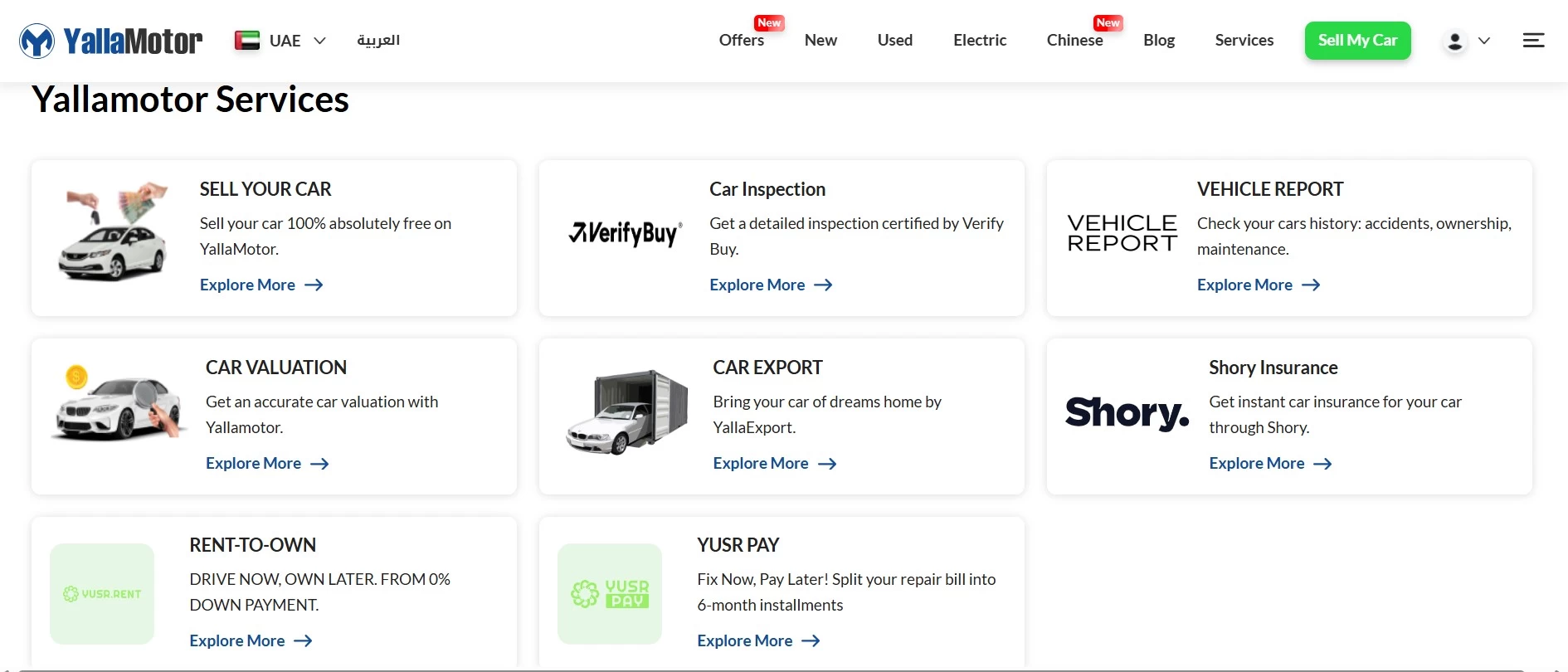
YallaMotor streamlines the car-buying process in the UAE by combining listings, valuation tools, and essential services into one user-friendly platform. After completing legal formalities, buyers can rely on this integrated system to move effortlessly from paperwork to finding their ideal vehicle.
Browse Listings and Valuation Tools
With a massive database of over 50,000 listings and 1.5 million monthly users, YallaMotor offers a robust platform to explore used cars in the UAE. You can refine your search based on price, make, model, location, condition, kilometres driven, and year, making it easy to zero in on the perfect match.
The platform also features an AI-powered car search tool that lets you describe your needs in plain language. This tool quickly delivers tailored results, simplifying the search process. Anas Kiblawi, General Manager of YallaMotor, highlights:
"This launch reinforces the platform's commitment to innovation and enhancing the automotive buying experience across the UAE and GCC. Through advanced AI technology, car buyers can now identify the most relevant options quickly and efficiently, without needing deep technical knowledge."
Before making an offer, use the free car valuation tool to determine the vehicle's market value in AED. For "Trusted cars", you’ll also gain access to detailed inspection reports and history checks, including accident records, ownership details, and maintenance logs.
Access Inspection, Financing, and Insurance Services
YallaMotor partners with professional car inspection services, offering thorough 360° inspections to ensure peace of mind before purchase. Financing options are available through FinMart, while instant insurance quotes can be obtained via Shory Insurance.
For added flexibility, YallaMotor offers Rent-to-Own plans and "Fix Now, Pay Later" instalment options through YUSR Pay. If you’re considering international shipping, the platform also facilitates car export services.
Make Informed Decisions
To help buyers evaluate performance, safety, and value, YallaMotor provides detailed car guides, expert reviews, and ratings. AI-generated descriptions further explain a car’s condition and features, ensuring clarity.
With connections to over 500 dealers and access to 75+ automotive brands, the platform caters to a wide range of preferences and needs. Whether you’re buying your first car or upgrading, YallaMotor equips you with the tools and insights to make confident, well-informed decisions.
Conclusion
Finding the right used car in the UAE is all about balancing your budget, driving requirements, and legal responsibilities. Start by setting a realistic budget that includes not just the car's price but also insurance, registration fees, and ongoing maintenance. Think about your specific needs - whether it's a spacious SUV for family desert adventures or a fuel-efficient sedan for your daily city commute.
Take the time to inspect the car thoroughly. Check the exterior, interior, and mechanical parts for any signs of wear or damage. Use the VIN to dig into the car's history, ensuring there are no hidden issues like accidents, tampered odometers, or unclear ownership records. Also, make sure all legal documents are in order, and complete the RTA transfer process using secure payment methods.
By following these steps, you’ll be better equipped to navigate the used car market, avoid unnecessary pitfalls, and make an informed purchase. Whether you’re buying a compact car or a luxury vehicle, this guide lays the groundwork for a smooth buying experience.
For added convenience, YallaMotor is here to assist you at every stage of the journey. With a wide range of listings, AI-powered search options, free car valuation tools, professional inspections, financing solutions, and insurance services, YallaMotor simplifies the process. Their network of verified dealers and extensive selection of brands ensures you’ll find a reliable car that fits your budget and needs seamlessly.
FAQs
What should I keep in mind when setting a budget for a used car in the UAE?
When planning your budget for a used car, it's essential to think beyond just the purchase price. The total cost of ownership includes recurring expenses like insurance, registration, RTA fees, maintenance, and any interest or fees tied to a car loan if you're financing the purchase.
A helpful guideline is to keep your total car expenses within 15-20% of your monthly income. This ensures you maintain a healthy financial balance while being prepared for any unexpected costs. Also, pay close attention to the car's fuel efficiency and service history, as these factors can significantly influence your long-term spending.
What’s the best way to check a used car’s history and condition before buying in the UAE?
To check a used car’s history in the UAE, you can rely on official platforms like RTA Dubai, Abu Dhabi Police, or the MOI. By entering the vehicle's VIN or chassis number, these services can give you access to essential details such as accident history, ownership records, and registration data. This step is crucial to understanding the car’s background before making a purchase.
For extra reassurance, it’s worth arranging a professional inspection. This can help you evaluate key aspects like mileage, engine performance, and the car’s overall condition. If you're looking for added security, consider certified pre-owned vehicles, which often come with warranties and have undergone thorough inspections. Lastly, always double-check the seller’s claims to ensure everything aligns with the official records, helping you make a confident and well-informed decision.
What are the legal requirements for transferring ownership of a used car in the UAE?
Transferring ownership of a used car in the UAE involves a straightforward process, but it requires careful attention to detail. Start by gathering the necessary documents, such as the car's registration card, a valid Emirates ID, a recent vehicle inspection report, and proof of valid insurance. It’s also crucial to clear any outstanding traffic fines and complete the required vehicle inspection.
After these steps, you’ll need to pay the transfer fees, which usually fall between AED 350–400, depending on the emirate. Once the payment is processed, the new registration card will be issued in your name, officially completing the ownership transfer. Ensuring all your documents are current and accurate will help you avoid unnecessary delays.
Looking for a used car in Dubai or new car deals? Explore YallaMotor’s verified listings today.