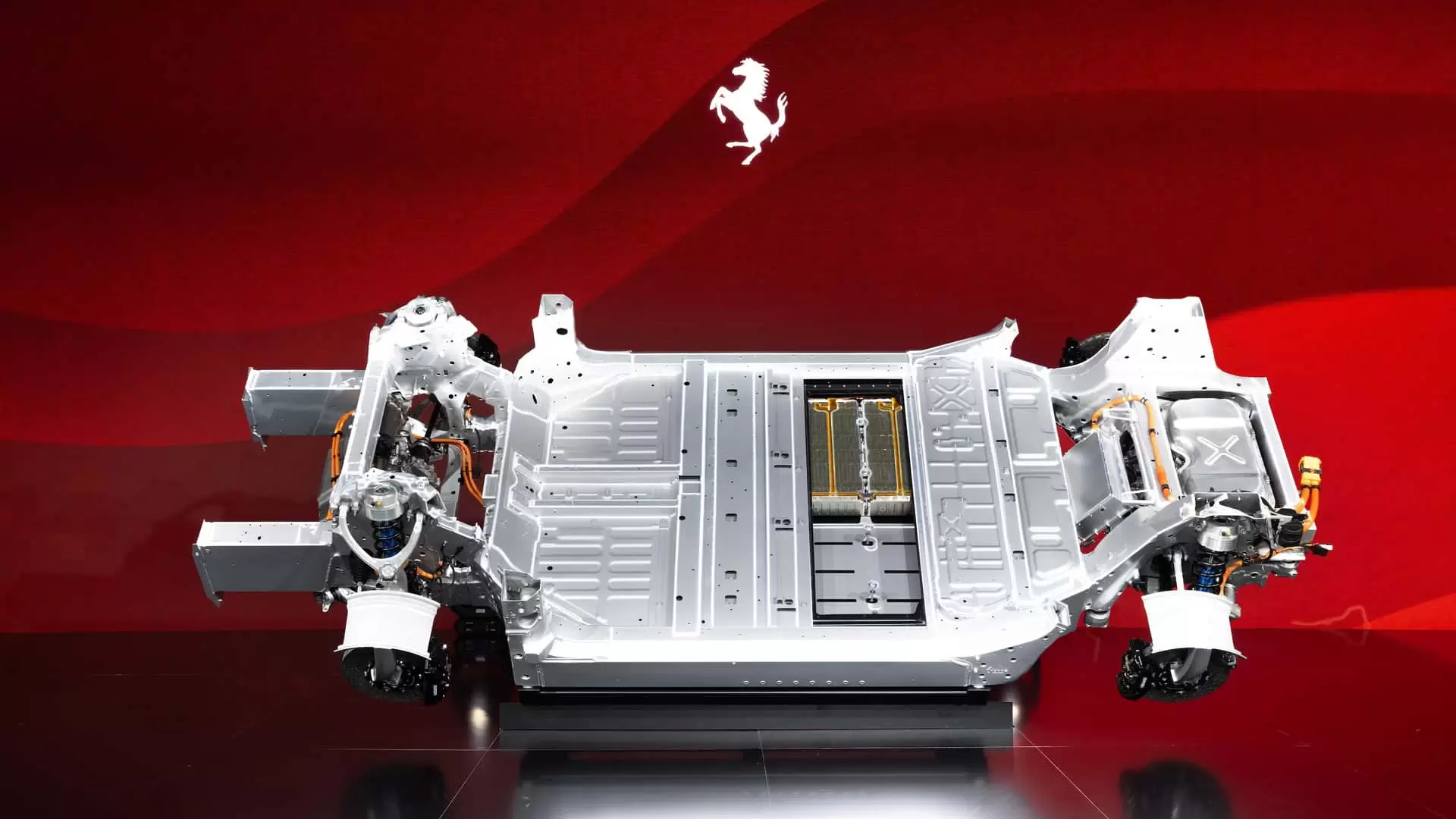
Ferrari has finally lifted the curtain on its first fully electric car, the Elettrica. But, err, where’s the car, you might ask. The Italian carmaker has basically revealed all the juicy details about the powertrain.
At first glance, the numbers are extraordinary. Four motors, almost 1,000 horsepower and a top speed of around 310 kilometres per hour. Yet, as with any Ferrari, performance figures tell only part of the story.
A New Kind of Power
Every component of the Elettrica’s powertrain has been developed in-house. Ferrari designed the motors, inverters and control systems itself, rather than sourcing them from outside suppliers.
Two motors sit at the front and two at the rear, each one able to control its wheel independently. The result is a level of torque precision that should make this one of the most agile electric cars ever built.

The Elettrica accelerates from zero to 100 km/h in just 2.5 seconds. There is also a system that can disconnect the front motors entirely, turning the Elettrica into a rear-wheel-drive car when desired. Clever.
The Battery Beneath the Beauty
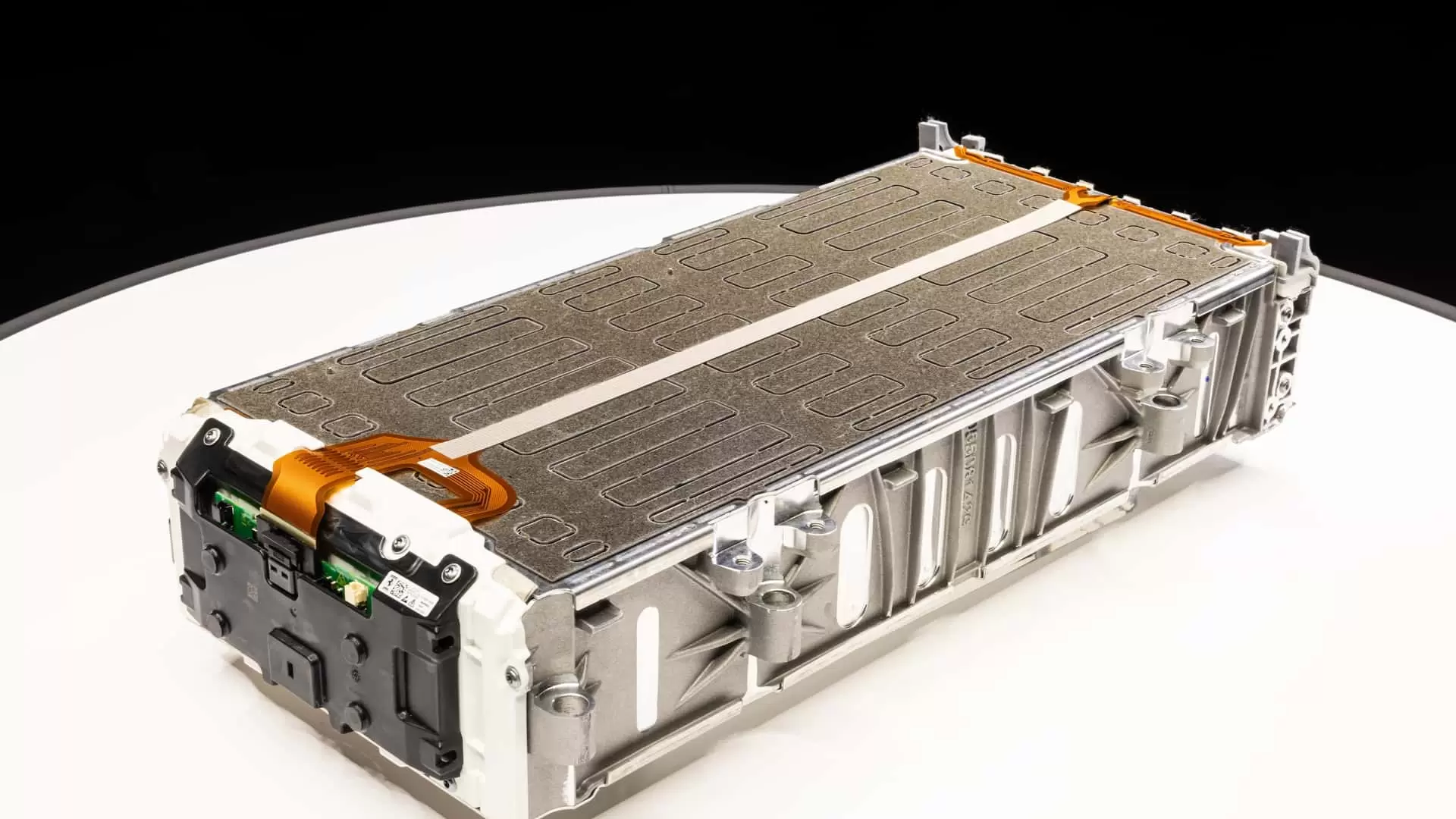
Power comes from a 122 kWh battery pack, which has been shaped around the car rather than simply placed beneath it. Some of the cells sit under the floor, while others are positioned behind the seats. This layout gives the Elettrica a near-perfect 47:53 weight distribution.
Ferrari claims a range of about 530 kilometres on the WLTP cycle. It uses an 800-volt electrical system that allows ultra-fast charging of up to 350 kW. That means an 80 percent recharge in roughly 20 minutes. The battery is modular, so individual sections can be replaced or upgraded later in the car’s life.
Engineering Emotion Into Electricity
Ferrari’s biggest challenge with the Elettrica has not been power or range but emotion. Without a V8 or V12 soundtrack, how do you make an electric Ferrari feel alive?
Rather than generating artificial sounds, Ferrari has created something more authentic. The company uses sensors to capture tiny vibrations from the electric motors and then filters and amplifies them through the cabin. The idea is similar to an electric guitar, where the sound is real but enhanced. The result should be a noise that responds directly to the driver’s inputs, maintaining that vital sense of connection.
The engineers have also added simulated gear changes through the steering paddles. Each pull adjusts the torque delivery, imitating the rhythm of traditional upshifts. It is a small detail, but it adds theatre and engagement to a type of car that can sometimes feel too clinical.
Control and Precision
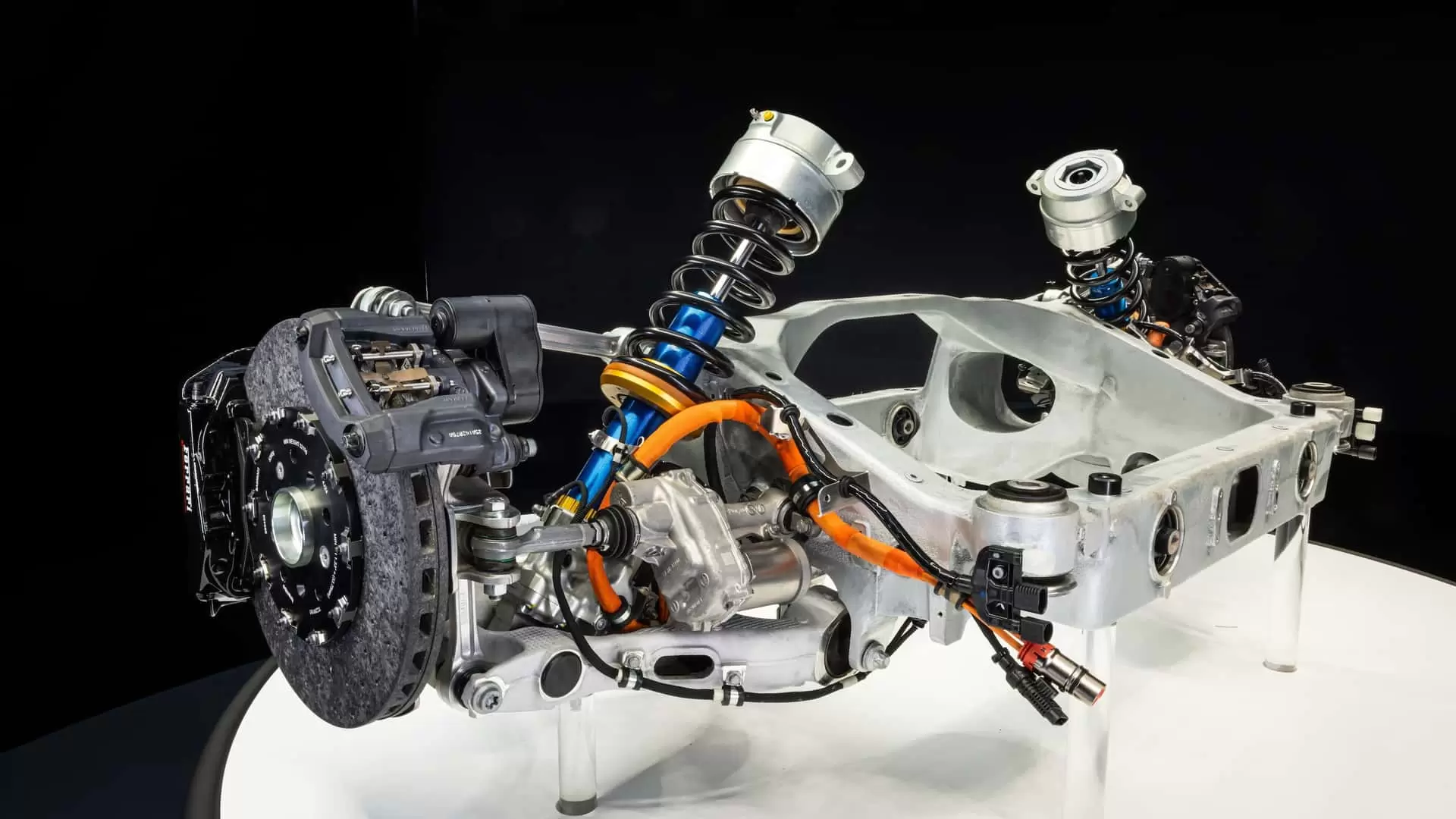
Underneath the sculpted shell, the Elettrica is packed with technology. It uses a new 48V active suspension system that constantly adjusts damping at each corner. There is four-wheel steering and advanced torque vectoring across all four motors. Ferrari calls it “full active control”, a system that keeps the car poised no matter how hard it is driven.
The goal is to make the Elettrica feel lighter than it is. Electric cars are often heavy, but if Ferrari has succeeded in tuning the steering and chassis correctly, this could become a new benchmark for how an EV should handle.
What We Still Don’t Know
Ferrari has yet to reveal the car’s final shape or its price. It has confirmed, however, that the Elettrica will not replace its petrol models. Instead, it will sit alongside them as part of a broader lineup that continues to include combustion and hybrid powertrains.
Production is expected to begin in 2026 at Ferrari’s new e-building in Maranello, a facility dedicated entirely to assembling electric components. This marks a new chapter for the brand, one that blends tradition with innovation in a way only Ferrari could attempt.
Looking for a used car in Dubai or new car deals? Explore YallaMotor’s verified listings today.
FAQs
How powerful is the Ferrari Elettrica?
It produces almost 1,000 horsepower from four independent motors, giving it immense performance and control.
What is the range and top speed?
The Elettrica can reach 310 km/h and has an estimated WLTP range of 530 km.
Can it drive only on the rear wheels?
Yes. A front-axle disconnect system allows it to run in rear-wheel-drive mode when desired.
Does it have an artificial engine sound?
No. The sound comes from real vibrations within the drivetrain that are filtered and amplified.
When will it launch?
Ferrari plans to begin production in 2026, with a full reveal expected before that.
Will it replace Ferrari’s petrol cars?
No. Ferrari has made it clear that its electric cars will complement, not replace, traditional engines.