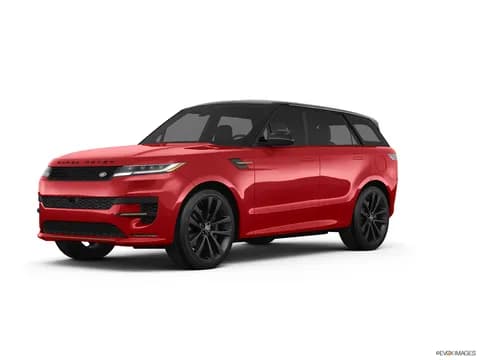

The Range Rover Electric has officially been revealed as the first fully electric model in the Range Rover family. Combining the brand’s familiar luxury SUV design with a dual-motor all-wheel-drive powertrain, the new EV delivers up to 550 PS, 850 Nm of torque and 600 km of WLTP range. It also introduces an 800-volt electrical architecture and 350 kW DC fast charging.
Rather than creating a radically different electric SUV, Range Rover has taken a more conservative approach. The Electric retains the proportions, cabin layout and luxury-focused character of its combustion-powered siblings, while adding EV-specific aerodynamic details and a new electric drivetrain designed to preserve its on-road refinement and off-road capability.
What is the Range Rover Electric?

The Range Rover Electric is the first fully electric Range Rover and sits alongside petrol, mild-hybrid and plug-in hybrid versions of the luxury SUV. It uses two permanent-magnet electric motors, one on each axle, producing up to 550 PS and 850 Nm. The model also uses a large 118.5 kWh battery and an 800-volt electrical system.
JLR developed the electric powertrain around the existing flexible architecture used by other Range Rover variants. This allows the EV to retain the familiar Range Rover proportions while accommodating its battery and electric motors.
Range Rover Electric design stays unmistakably familiar
The Range Rover Electric follows the same design philosophy as the latest Range Rover, with the biggest visual changes focused on improving aerodynamic efficiency rather than announcing its electric identity. An optimised grille, EV-specific wheels and revised underbody panels help reduce drag while preserving the model’s recognisable silhouette.
The cabin also follows the established Range Rover layout, with a minimalist dashboard, premium materials and technology integrated into the existing luxury-focused interior. The quieter operation of the electric powertrain should further reinforce the model’s emphasis on a calm and refined driving experience.
Range Rover describes this approach as putting the Range Rover first and the electric powertrain second. That means buyers do not have to accept a radically different exterior simply because they are choosing the EV.
Range Rover Electric specs and powertrain
The Range Rover Electric uses two 260 kW permanent-magnet electric motors, giving it all-wheel drive and a maximum system output of 550 PS, equivalent to around 542 hp. Maximum torque reaches 850 Nm, giving the electric SUV more immediate response than a conventional engine-powered drivetrain.
The key Range Rover Electric specifications include:
Power: up to 550 PS (approximately 542 hp)
Torque: 850 Nm
Drive system: dual-motor all-wheel drive
Battery: 118.5 kWh usable lithium-ion
Architecture: 800 volts
WLTP range: up to 600 km
Estimated real-world range: up to 535 km
DC charging: up to 350 kW
0-100 km/h: 4.5 seconds
80-120 km/h: 2.7 seconds
Maximum water wading depth: 900 mm
Maximum towing capacity: 2,500 kg
How fast is the Range Rover Electric?

The Range Rover Electric can accelerate from 0 to 100 km/h in 4.5 seconds, while its 80-120 km/h overtaking acceleration takes just 2.7 seconds. This gives the large luxury SUV performance comparable with some high-output combustion-powered Range Rover models, while the electric motors provide immediate torque delivery.
JLR says the two electric motors were engineered to deliver V8-level performance. The motors also use silicon-carbide semiconductors to support rapid switching and improve the balance between performance and efficiency.
Unlike many performance-focused EVs, however, the Range Rover Electric is not designed solely around straight-line acceleration. Its powertrain and chassis systems were developed to maintain the model’s all-terrain capability.
118.5 kWh battery supports 600 km of range
The Range Rover Electric uses a usable 118.5 kWh lithium-ion battery made up of 344 prismatic cells arranged in a double-stack configuration. Its 800-volt architecture allows the SUV to make better use of high-power charging infrastructure when suitable chargers are available.
Range Rover quotes a maximum WLTP range of 600 km, while its estimated real-world figure reaches up to 535 km. Actual range will vary depending on driving conditions, speed, temperature, terrain and climate-control use.
The battery also supports DC charging at up to 350 kW. On a compatible rapid charger, the battery can go from 10% to 80% in around 22 minutes. Range Rover says the SUV can add up to 220 km of WLTP range in 10 minutes when charging at its maximum rate.
Range Rover Electric keeps its off-road capability
The electric Range Rover is not simply a luxury road-going SUV. Its electric drivetrain also supports the brand’s traditional focus on all-terrain capability, with rapid traction control, air suspension, single-pedal driving and Terrain Response technology helping it tackle difficult surfaces and steep gradients.
Its Integrated Traction Management system can respond in as little as 50 milliseconds, according to Range Rover. The system adjusts motor torque to maintain traction across changing surfaces, while the electric powertrain allows torque delivery to be controlled with greater precision.
The SUV can climb gradients of up to 45 degrees and wade through up to 900 mm of water. It also retains air suspension and offers a maximum towing capacity of 2,500 kg.
The battery placement also lowers the vehicle’s centre of gravity compared with the combustion-powered model, which could help improve stability and body control on the road.
Range Rover Electric tested in extreme conditions
Range Rover subjected the electric SUV to an extensive development programme covering different climates and driving environments. Testing included extreme desert conditions in Dubai as well as cold-weather testing in Sweden at temperatures as low as -40 degrees Celsius.
The company says the programme included more than 1.5 million kilometres of physical testing and more than 250,000 hours of virtual testing. A new ThermAssist thermal-management system helps manage battery and cabin temperatures in extreme conditions, an important consideration for an EV intended for markets with both very hot and very cold climates.
For buyers in the GCC, the Dubai testing is particularly relevant. High ambient temperatures, long highway journeys and heavy air-conditioning use can place additional demands on an electric vehicle’s thermal systems and range management.
When will the Range Rover Electric be available?

The Range Rover Electric is now available to order in the US and UK, with market-specific availability expected to expand. US pricing starts at an MSRP of $138,000 before destination charges, while the UK starting price is £154,070. Local pricing for individual markets should be confirmed by Range Rover and its official retailers.
Production takes place alongside other Range Rover models at JLR’s Solihull facility in the UK. The company is also manufacturing the vehicle’s battery and electric motors in the UK.
A special First Edition is also available, with production limited to 2,500 examples globally. The limited production run adds an element of exclusivity that is likely to appeal to Range Rover collectors and luxury SUV buyers.
Why the Range Rover Electric matters
The Range Rover Electric is significant because it brings one of the world’s most recognisable luxury SUVs into the electric era without abandoning the design and capability that define the nameplate. Its combination of 550 PS, 850 Nm, 600 km of WLTP range and 350 kW charging gives it the technical credentials expected from a modern flagship EV.
Its appeal could be particularly strong in markets such as the GCC, where luxury SUVs have a large customer base and electric vehicles are becoming more common. Dubai and Abu Dhabi could also attract interest from collectors and buyers who value limited-production luxury models and new EV technology.
Rather than chasing extreme styling or headline-grabbing acceleration figures, Range Rover has focused on integrating electric propulsion into its existing formula. That could make the Electric one of the more important transitions in the brand’s history.
Range Rover Electric verdict
The Range Rover Electric represents a major shift for the iconic luxury SUV while remaining deliberately familiar. Its 550 PS dual-motor system, 850 Nm of torque, 600 km WLTP range, 800-volt architecture and 350 kW charging give it a strong technical foundation, while its off-road systems preserve the capabilities expected from a Range Rover.
The bigger question will be how the production EV performs in real-world conditions, particularly on long highway journeys and in extreme heat. For now, however, Range Rover has delivered an electric SUV that prioritises refinement, capability and design continuity rather than simply chasing EV performance records.
FAQs
How much horsepower does the Range Rover Electric have?
The Range Rover Electric produces up to 550 PS, equivalent to approximately 542 hp, from two permanent-magnet electric motors.
How far can the Range Rover Electric travel on one charge?
The Range Rover Electric has a claimed WLTP range of up to 600 km. Range Rover estimates real-world range at up to 535 km.
How long does the Range Rover Electric take to charge?
Using a compatible 350 kW DC rapid charger, the Range Rover Electric can charge from 10% to 80% in around 22 minutes.
Can the Range Rover Electric go off-road?
Yes. The electric Range Rover can climb gradients of up to 45 degrees, wade through up to 900 mm of water and use Range Rover’s traction and Terrain Response systems.
How much does the Range Rover Electric cost?
US pricing starts at $138,000 before destination charges. Pricing for other markets will vary, and local GCC prices should be confirmed when official market launches are announced.