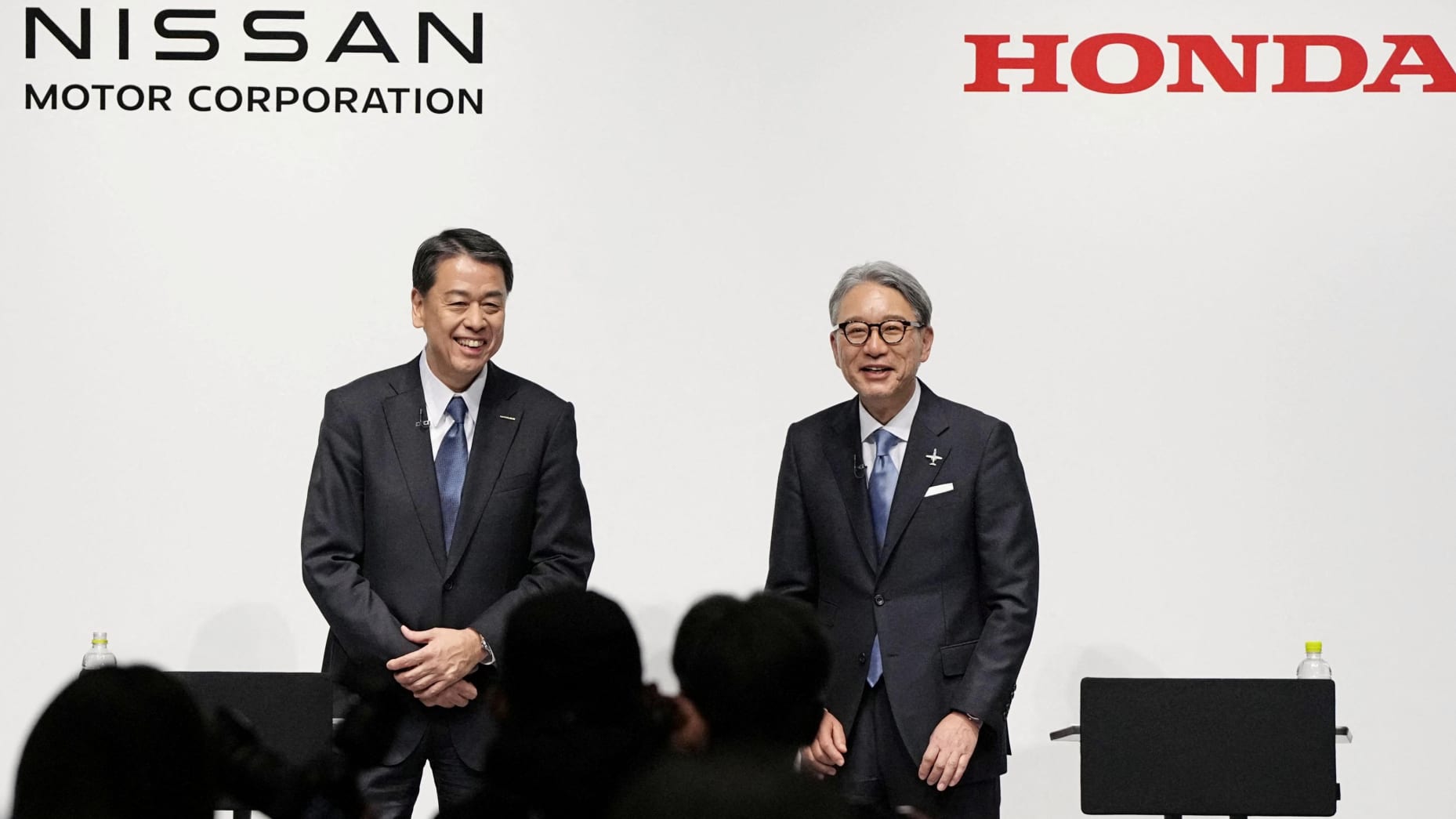
News about talks between Honda and Nissan to merge really sparked a lot of interest in an industry where electric vehicles are no longer the future but the present. The two Japanese automotive titans have reportedly been considering a strategic alliance that could dramatically change the face of the auto industry, particularly when it comes to electric mobility.
Strategic Motivation Behind the Talks
Apparently these are mere talks on the creation of a new holding company under which Honda and Nissan will work together, and most probably Mitsubishi Motors too because Nissan has 24 percent equity in it. These two have to create positions for themselves within an incredibly competitive market of EVs, where the leaders such as Tesla seem way ahead and the Chinese competitors like BYD are rapidly closing in.
Challenges facing Honda and Nissan
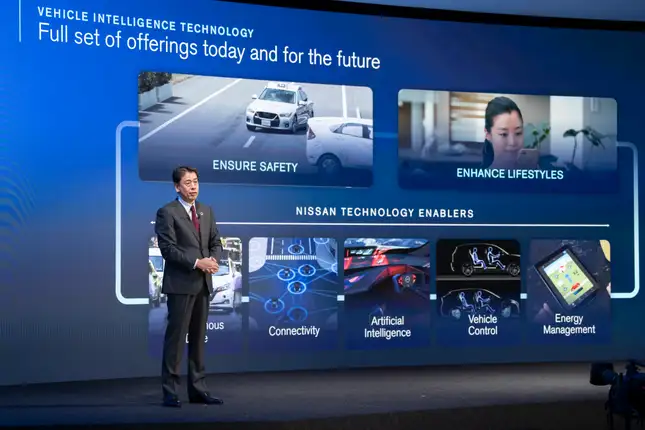
This potential consolidation event comes at a time when both Honda and Nissan are individually facing various challenges. More specifically, Nissan has been storming its financials. Profits sharply divided, and the annual operating profit target was cut. Honda is in a better state still, but it also needs to play a stronger game in the EV segment after announcing it was coming out with the new Honda Zero EV platform.
Potential benefits of a merger include
The two companies would end up being pools of resources, technologies, and experience in a merger that will benefit both companies. While Nissan is relatively inexperienced about experience within the EV market compared to Honda, Honda then could profit from experience that Nissan has in being a global brand with a very long lineup. Collectively they may speed up their EVs, split costs, maybe even merge research efforts to bring products to the market faster as competitors.
Difficulties and Issues
However, such a merger would not be without its complexities. Cultural differences, brand identity, and the possibility of massive job cuts are among the concerns that could arise. Also, the deal would need to go through political and regulatory scrutiny, especially in Japan where these companies have significant cultural and economic weight.
Market Reaction and Speculation
The market response has been mixed. Nissan shares jumped significantly, almost as if reflecting optimism about the ability of the merger to stabilize the company. Honda shares declined slightly, probably in response to uncertainties surrounding its independent operations.

The Way Forward
Neither of the two firms has admitted such meetings have taken place, but the impact would be huge. It might end with a new superpower that could overthrow the leaders currently enjoying the market.
But for this to become more of a reality, an official statement will need to come in. In this respect, Honda and Nissan have kept focus on public statements indicating collaboration would be pursued but did not deny a merger.
Perhaps it could be one of those milestones in the history of the auto industry, this potential Honda and Nissan union seeking to redefine the way old-guard companies advance into the electric future.