Living in the UAE means dealing with extreme temperatures, especially during summer. That’s why driving a car without coolant is not just risky—it’s a fast track to serious engine trouble. If you're wondering how far you can push your luck, here's everything you need to know about coolant and its importance.
What Does Engine Coolant Do?
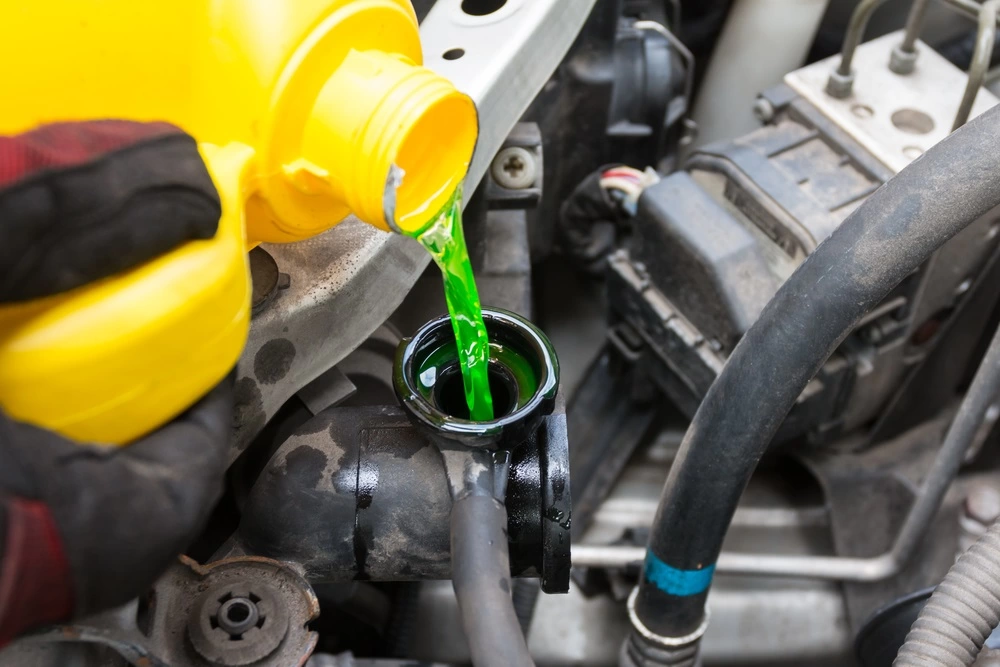
Engine coolant—also known as antifreeze—plays a vital role in keeping your car running smoothly. Here's what it does:
- Keeps the engine cool: Absorbs excess heat and transfers it to the radiator.
- Prevents freezing: Essential during rare cold snaps or trips abroad.
- Raises boiling point: Prevents boiling in UAE’s high temperatures.
- Fights corrosion: Additives prevent rust and damage to internal components.
- Lubricates parts: Some coolants help keep the water pump in good condition.
Without coolant, your engine would suffer from rapid overheating, potentially leading to catastrophic failure.
What’s Inside Coolant?
Coolant is usually a 50/50 mix of antifreeze and water. While antifreeze is available on its own, it's safest to use a pre-mixed coolant to ensure proper balance. High-quality coolants also contain rust inhibitors and additives that protect engine parts.
Signs of Low Coolant and Their Consequences
Common Symptoms of Low Coolant
- Temperature gauge rising into the “H” zone
- Coolant warning light on the dashboard
- Sweet smell from burning ethylene glycol
- Steam coming from under the hood
- Weak heater performance
- Visible colored fluid under the car (green, orange, pink, etc.)
- Poor fuel economy
What Happens If You Keep Driving?
- Engine Overheating: Leads to fast damage if not resolved immediately.
- Blown Head Gasket: Allows coolant and oil to mix, damaging the engine.
- Cracked Engine Block or Cylinder Head: Requires full engine replacement.
- Warped Pistons and Cylinders: Results in low compression and possible seizure.
- Water Pump Failure: No coolant = no lubrication.
- Engine Seizure: Total failure where parts fuse together.
- Auto Shutoff: Some cars will shut down automatically to prevent disaster—dangerous if on the road.
What to Do If You Have Low or No Coolant
- Pull Over Immediately: Do not continue driving, even for a short distance.
- Turn Off the Engine: Let it cool naturally.
- Do NOT Open the Radiator Cap: Pressurized hot liquid can cause burns.
- Call Roadside Assistance: Tow your car to a trusted garage or mechanic.
For car owners in Dubai or anywhere in the UAE, getting professional help immediately is the best way to avoid further damage.
What Happens If You Drive With No Coolant?
1. Rapid Overheating
Within 5–10 minutes, your engine can reach dangerously high temperatures.
2. Severe Engine Damage
- Blown head gasket
- Cracked cylinder head or block
- Melted pistons or seized engine
3. Safety Risks
Overheated engines can produce smoke, obstruct vision, or in rare cases, start a fire.
How Often Should You Check or Change Coolant?
- Check: Every 3–6 months or before long drives.
- Replace: Every 2 to 5 years or between 30,000 to 150,000 km, depending on your car manual and coolant type.
Conclusion
Driving without coolant in the UAE is not just bad—it’s a disaster waiting to happen. Even short trips can destroy your engine, leading to bills in the tens of thousands of dirhams. Don’t risk it. Check your coolant regularly, and if anything seems off, visit a professional garage immediately.
Looking for a used car for sale in Dubai or new cars for sale in Dubai? YallaMotor has you covered with the latest listings, reviews, and tips to keep your car running smoothly in UAE weather.