The new BMW M3 Electric has been previewed through the BMW M Concept Neue Klasse, offering the clearest look yet at the future of BMW’s high-performance electric sedan. This concept does not yet represent a production model, but it strongly signals the design direction, performance architecture, and technology expected for the next-generation all-electric M3.
Revealed at Le Mans, the concept introduces a completely new approach to BMW M engineering, combining a quad-motor setup, advanced aerodynamics, and a dedicated EV platform that will likely underpin the production M3 Electric expected later in the decade.
What is the New BMW M3 Electric Concept?
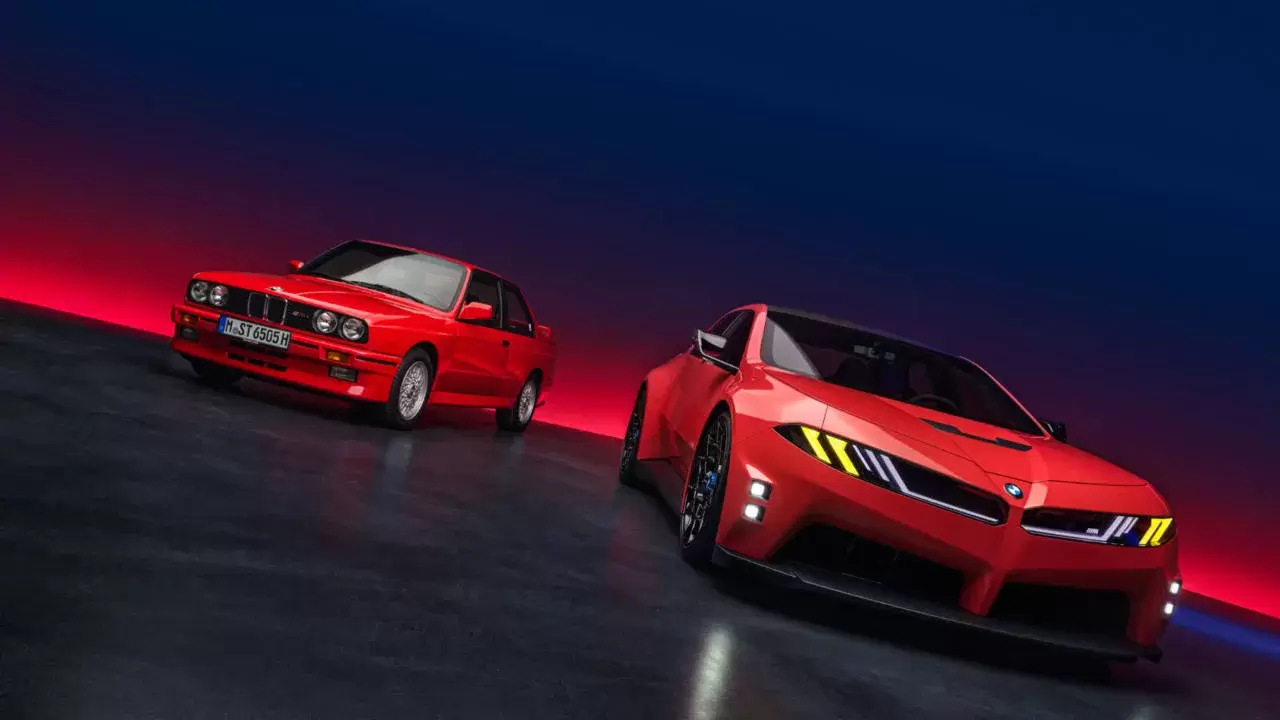
The BMW M Concept Neue Klasse is a high-performance design and technology study that previews the brand’s future electric M cars, including what is widely expected to evolve into the BMW M3 Electric. It is based on the upcoming Neue Klasse architecture, which will support BMW’s next generation of EVs such as the i3 sedan.
While BMW has not officially confirmed production specifications, the concept clearly showcases the direction of future M models, focusing on electrification without abandoning the brand’s core driving dynamics. The concept acts as a bridge between today’s combustion-powered M3 and a fully electric future.
Design Language: A Wider, Sharper, More Aggressive M3
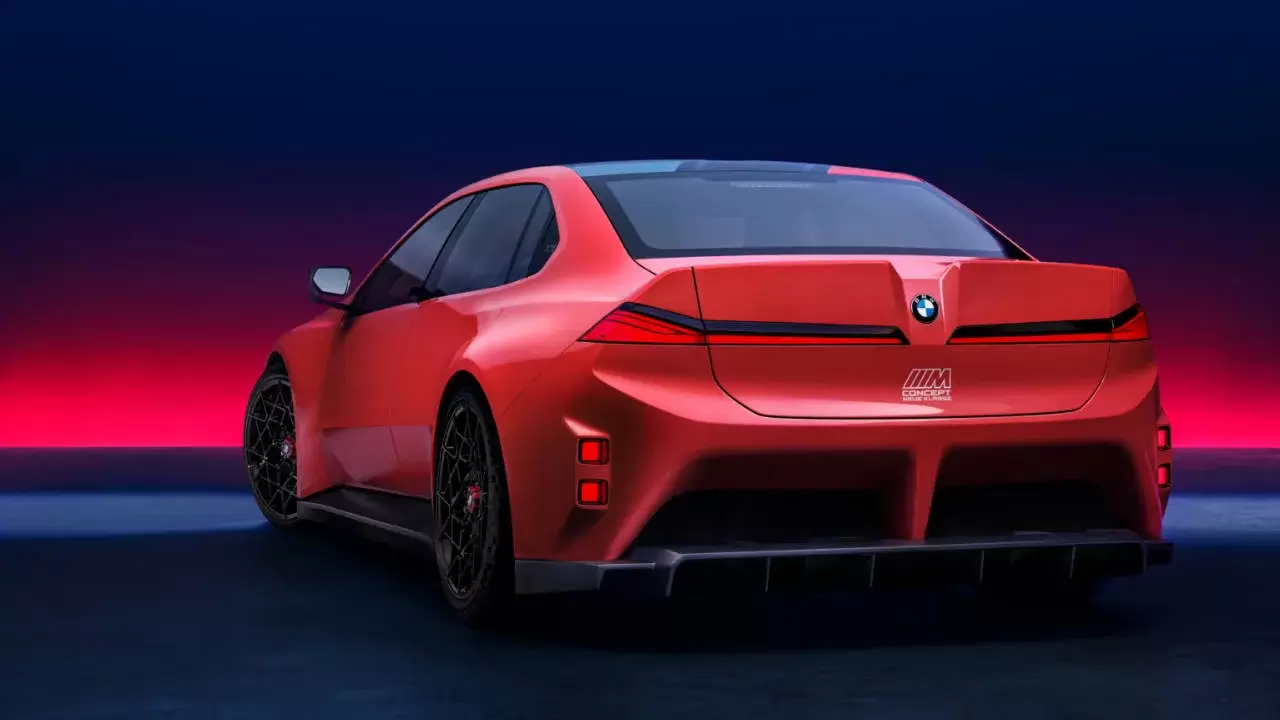
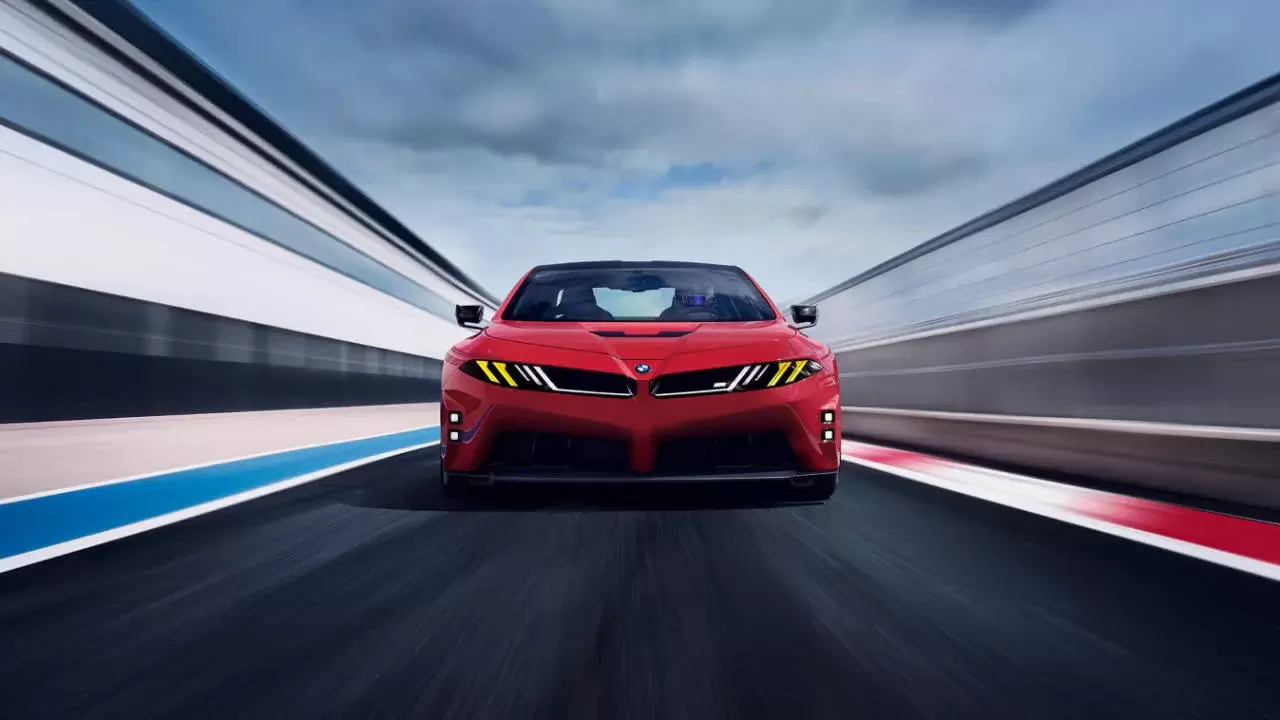
Every element of the new BMW M3 Electric concept design has been shaped around performance aerodynamics and visual aggression. The result is a much wider, lower, and more sculpted sedan that feels closer to a track-focused machine than a traditional road car.
BMW has introduced a new design identity for the M division, including a “shark-nose” front end, integrated aerodynamic surfaces, and signature M yellow lighting elements inspired by endurance racing models. These features are expected to define future BMW M vehicles beyond the M3.
- Wide body stance with flared wheel arches
- Ducktail rear spoiler for increased downforce
- V-shaped bonnet air outlet for cooling and aero flow
- Centre-lock wheels with motorsport styling cues
- M Yellow Light signature design language
Natural fiber materials are also used across the exterior, replacing traditional carbon fiber in certain areas to reduce environmental impact while maintaining structural rigidity and aerodynamic efficiency.
Performance Expectations: Quad-Motor Power for the BMW M3 Electric
At the core of the BMW M3 Electric concept is its quad-motor electric drivetrain, with one motor dedicated to each wheel. This setup enables precise torque vectoring, allowing the car to independently control power distribution for maximum traction, cornering stability, and responsiveness.
BMW has paired this system with an 800-volt electrical architecture and a high-capacity battery exceeding 100 kWh. While official output figures have not been confirmed, early estimates suggest the production version could exceed 800 horsepower, positioning it among the most powerful M cars ever built.
This system is managed through BMW’s “Heart of Joy” computing platform, which integrates drivetrain, braking, and stability control systems into a single high-speed control unit for near-instant response.
Technology & Engineering: The Heart of Joy System
A major highlight of the BMW M Concept Neue Klasse is its advanced control architecture. The “Heart of Joy” system is designed to coordinate all vehicle dynamics in real time, from torque distribution to braking response and energy recovery.
This integration allows the future BMW M3 Electric to deliver sharper handling and more predictable performance, especially under high-load driving conditions. The system also supports advanced regenerative braking strategies and enhanced traction control logic.
- Quad-motor torque vectoring system
- 800V high-voltage EV architecture
- 100+ kWh performance battery pack
- Integrated vehicle dynamics control system
Aerodynamics: Built for High-Speed Stability
Aerodynamics play a critical role in the development of the new BMW M3 Electric. The concept integrates active airflow management, underbody sculpting, and racing-inspired diffuser elements to reduce drag and increase downforce at high speeds.
The front splitter, rear diffuser, and side aero elements are all designed to optimize airflow, while the ducktail spoiler improves rear stability during aggressive acceleration and high-speed cornering.
These enhancements suggest that the production M3 Electric will prioritize not just straight-line speed, but also sustained performance on track environments.
Interior Preview: Driver-Focused Digital Cockpit
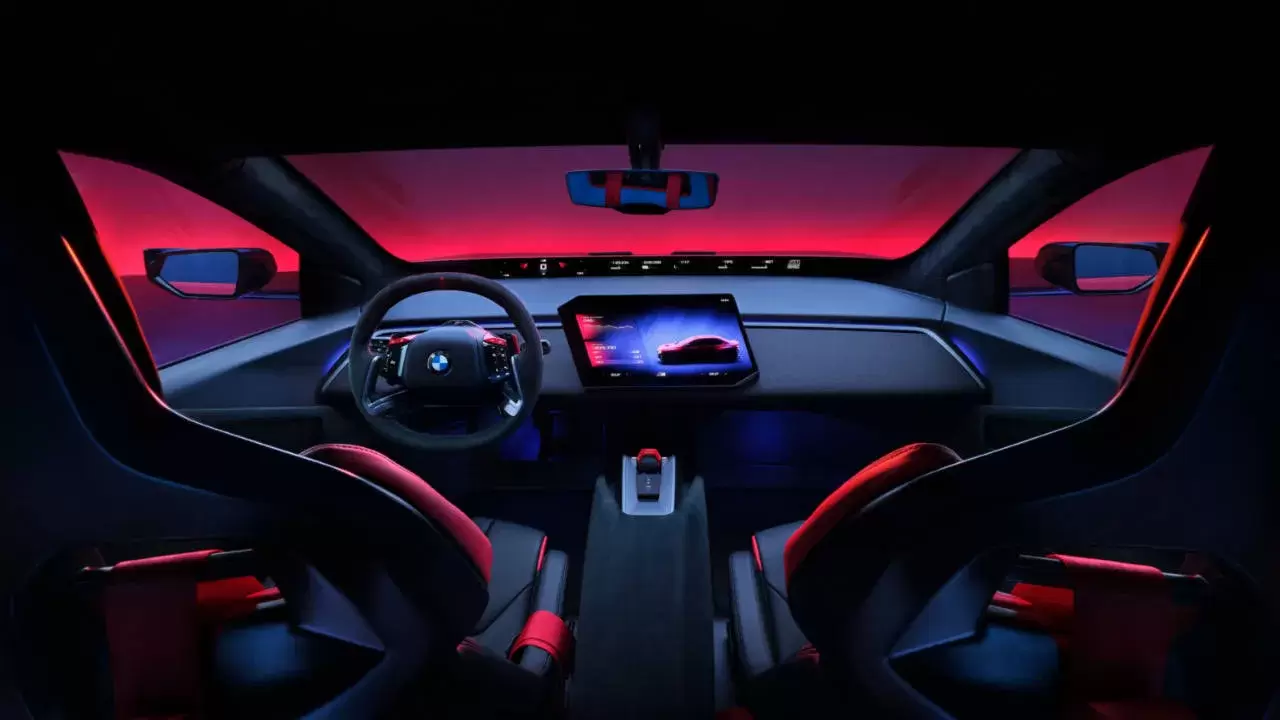
Inside, the BMW M Concept Neue Klasse introduces a stripped-back, driver-focused cabin that reflects its performance intent. The layout replaces traditional clusters with a wide digital display system positioned for optimal visibility.
The cabin features four individual bucket seats, each designed to hold occupants firmly during high-performance driving. Materials include a combination of leather and natural fiber composites, reinforcing BMW’s shift toward sustainable performance materials.
- Four lightweight bucket seats
- Black nubuck leather accents
- Minimalist digital cockpit layout
- Motorsport-inspired seating position
- Red safety harness elements
Expected Availability of the BMW M3 Electric
The production version of the BMW M3 Electric is expected to arrive around 2027, following the rollout of BMW’s Neue Klasse platform. It will likely be closely related to the upcoming electric BMW i3 sedan, sharing core architecture but featuring significantly upgraded performance systems and M-specific tuning.
BMW has not confirmed official pricing or final specifications, but the model is expected to sit at the top of the M3 lineup, potentially launching alongside or replacing future combustion variants depending on regional markets.
Competitors in the Electric Performance Sedan Segment
Once launched, the BMW M3 Electric will enter a rapidly growing segment of high-performance electric sedans. Its closest rivals are expected to include performance EVs from established German manufacturers and emerging global EV specialists.
However, BMW’s focus on driver engagement through its quad-motor system and advanced dynamics control could differentiate it significantly from more range-focused competitors.
Conclusion: A New Era for the M3 Nameplate
The new BMW M3 Electric concept marks a major turning point for BMW M, shifting one of the world’s most iconic performance sedans into the electric era. With its quad-motor setup, advanced aerodynamics, and Neue Klasse architecture, the concept signals a future where performance and electrification are tightly integrated.
While the production model is still under development, the direction is clear: the next BMW M3 will prioritize precision, instant electric performance, and digital driving systems without losing its M identity.
FAQs
Is the BMW M3 Electric confirmed?
BMW has not officially confirmed a production M3 Electric, but the M Concept Neue Klasse strongly previews its design and technology direction.
How powerful will the BMW M3 Electric be?
While official figures are not confirmed, estimates suggest the production model could exceed 800 horsepower with a quad-motor setup.
When will the BMW M3 Electric be released?
The production version is expected around 2027, following the rollout of BMW’s Neue Klasse platform.
What platform will the M3 Electric use?
It will likely be based on BMW’s Neue Klasse EV architecture, shared with the upcoming BMW i3 sedan.