Car breakdowns in the UAE can be stressful, whether it happens on a busy Dubai highway or in the desert heat of Abu Dhabi. Knowing the right steps to take not only keeps you safe but also ensures you get help quickly. This complete guide walks you through everything — from immediate actions to prevention tips for petrol and electric vehicles.
What should you do first when your car breaks down?
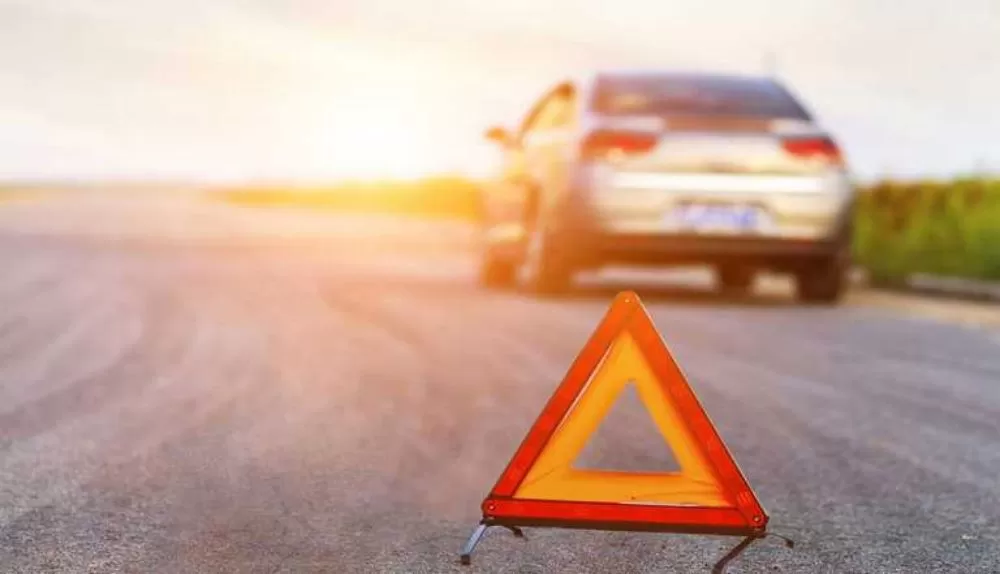
The first priority is safety. Immediately switch on your hazard lights and pull over to the emergency lane or right-hand shoulder. If you have a reflective warning triangle, place it 45–60 metres behind your vehicle to warn other drivers.
- Turn on hazard lights immediately.
- Move to the emergency lane or shoulder.
- Place a warning triangle behind the car if available.
Where is the safest place to stop?
Stopping in the right location can save lives. On highways, use the shoulder or a designated emergency bay. In desert areas, remain inside your car with windows slightly open for ventilation. Inside cities, exit carefully from the passenger side if traffic is too close to your vehicle.
Should you check the car yourself?
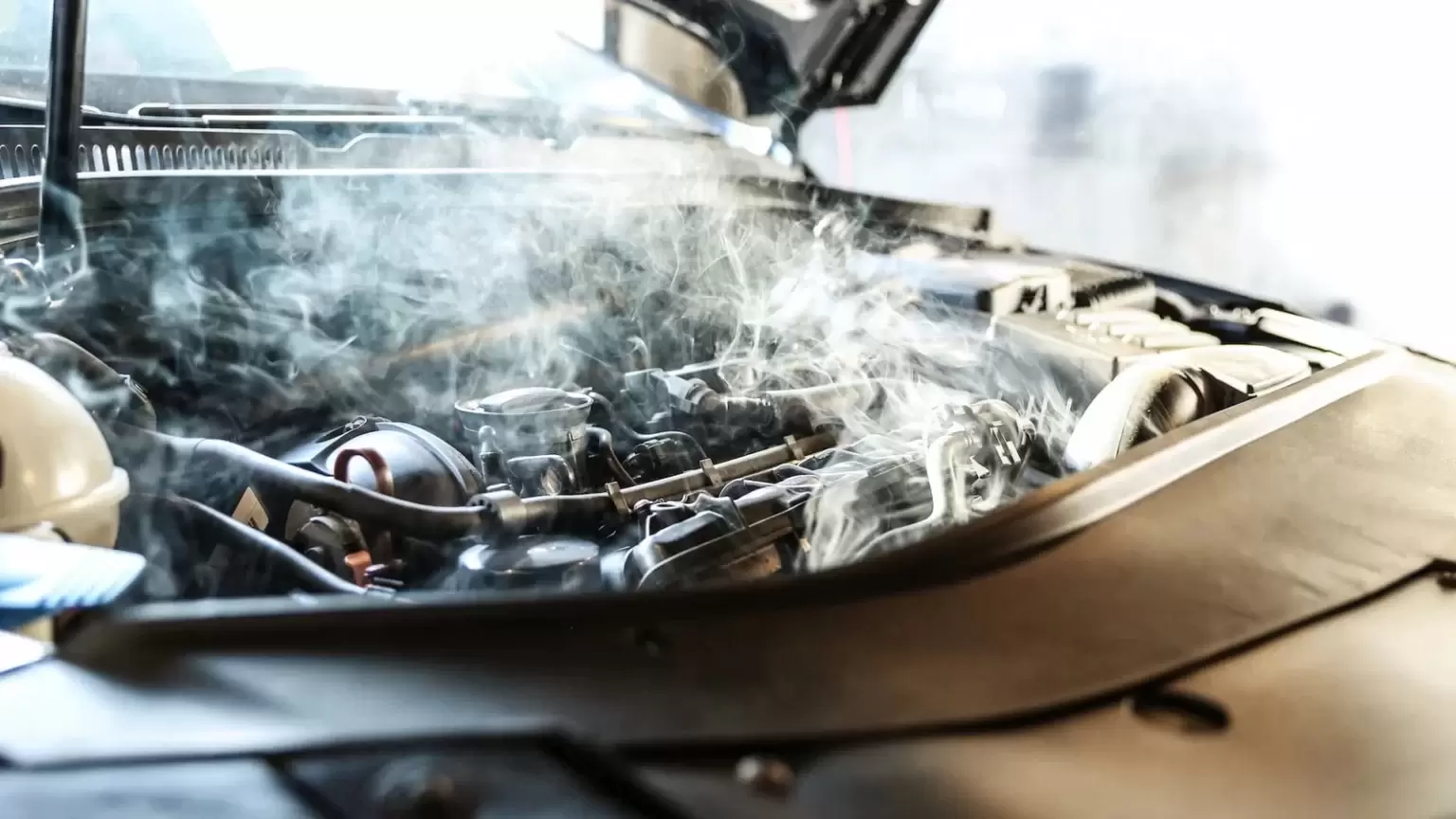
You may assess the situation only if it’s safe to do so. Common causes of breakdowns include flat tyres, overheating engines, and dead batteries. However, avoid attempting complicated repairs on busy roads — your safety comes first.
Who should you call for help in the UAE?
Each emirate has its own emergency and support services:
- Abu Dhabi: Call the Integrated Transport Centre (ITC) at 800 88888 or use the Darbi app for free roadside patrols.
- Dubai: Call Dubai Police on 901 (option 2) or 999 in case of emergencies.
- Other Emirates: Dial 999 to connect to the local police.
Additionally, you can contact your insurance company or private roadside assistance providers for towing, battery jump-starts, and fuel delivery.
How do you share your location accurately?
When calling for help, give clear information such as road name, direction of travel, nearest exit, kilometre marker, or visible landmarks. Activating GPS on your smartphone makes it much easier for roadside teams to reach you quickly.
What should you do while waiting for help?
While waiting for recovery teams, remain calm and follow these tips:
- If near traffic, stay inside your car with the seatbelt on.
- If exiting, wear reflective jackets and stay away from oncoming vehicles.
- In desert areas, conserve water, protect yourself from heat, and avoid unnecessary phone use.
Should you fix the car yourself or wait?
Unless it’s a simple and safe fix, such as replacing a tyre in a secure spot, leave it to professionals. Roadside recovery teams have the tools and training to handle breakdowns safely.
Do you need to file a police report?
Yes, in some cases. If your breakdown leads to an accident, causes traffic blockage, or involves another vehicle, a police report will be necessary. This is also important for insurance claims and workshop repairs. For more details, check out how to report an accident in the UAE.
How can you prevent breakdowns in the UAE?
Regular maintenance is the best way to avoid unexpected breakdowns. Here are key steps:
- Service your car every 3–6 months. Read our car care tips.
- Check fluid levels, tyre pressure, and battery health regularly.
- Consider owning a reliable, low-maintenance car. Explore affordable used cars in the UAE.
- Keep an emergency kit: water, torch, reflective jacket, warning triangle, power bank, and sunshade.
Special tips for Abu Dhabi and Dubai drivers
Abu Dhabi Desert Roads
Stay inside the car, use sunshades, and ration your water supply until roadside assistance arrives.
Dubai Highways
If traffic is heavy, exit only from the passenger side. Use nearby road signs or kilometre markers when giving your location.
What should EV owners do when their car breaks down?
Electric vehicles (EVs) don’t face issues like overheating engines, but breakdowns still happen due to drained batteries, charging faults, or software errors. Switch on hazard lights, pull over safely, and call roadside recovery teams trained for EVs.
Can you tow an EV like a normal car?
No. EVs should not be towed with their drive wheels on the ground because it can damage the motor. Always request a flatbed truck and inform the provider that your vehicle is electric.
What if your EV runs out of charge on the road?
If your EV battery is drained, contact your insurer or a recovery provider. Some UAE companies offer mobile charging or towing to the nearest charging station. Planning trips and charging in advance reduces this risk.
Do EV drivers need different emergency kits?
Yes. Along with standard essentials, EV owners should carry:
- Charging cables and adapters for public chargers.
- A portable EV charger if compatible.
- A power bank for electronics and apps.
How can EV drivers prevent breakdowns?
- Keep the battery above 20% to avoid deep discharge.
- Check tyres frequently since EVs are heavier than petrol cars.
- Install software updates to maintain system stability.
FAQs
Q: What should I do if my car breaks down on a UAE highway?
A: Pull over safely, turn on hazard lights, place a warning triangle, and call police or roadside help.
Q: Can I call the police if my car breaks down in Dubai or Abu Dhabi?
A: Yes. Dubai Police (901 or 999 for emergencies) and Abu Dhabi’s ITC (800 88888) offer roadside support.
Q: Is it safe to repair my car myself on the road?
A: Only minor fixes in safe conditions, like tyre changes, are possible. Otherwise, wait for professional assistance.
Q: What emergency items should I keep in my car?
A: Carry water, torch, warning triangle, reflective jacket, power bank, and sunshade. EV drivers should add charging accessories.
Q: How can I prevent my car from breaking down?
A: Regular servicing, tyre checks, battery maintenance, and fluid inspections help avoid sudden issues.
Looking for a used car for sale in Dubai or new car for sale in Dubai?