The UAE summer is not just hot—it is extreme enough to expose weak points in any vehicle within minutes. From overheating engines in petrol and diesel cars to reduced range in electric vehicles (EVs), the heat places constant stress on every system. Knowing how to prepare your car for summer in the UAE is not about routine maintenance alone—it is about preventing heat-related failures before they happen.
Unlike general checklists found online, this guide focuses on why cars fail in UAE heat first and how drivers can stop those failures early, whether they drive a traditional petrol or diesel vehicle or a modern EV.
Why UAE Heat Breaks Cars Faster Than Most Drivers Expect
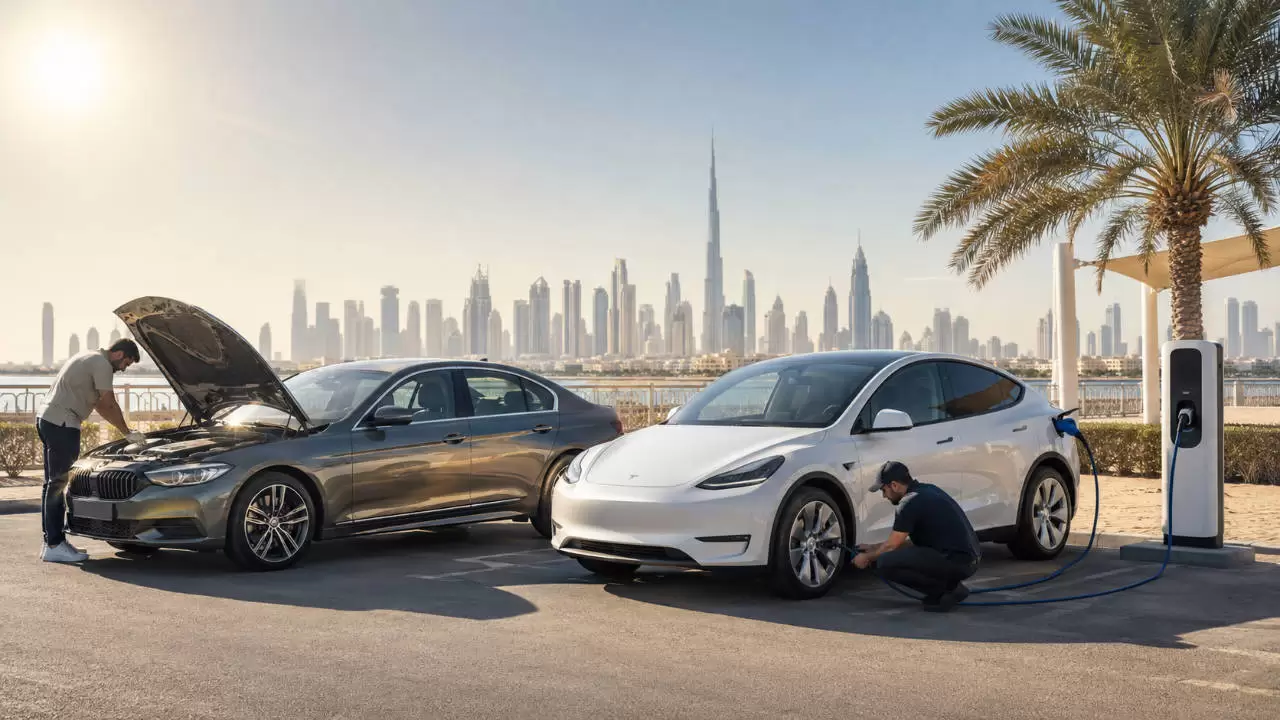
UAE summer conditions can push road temperatures beyond 70°C, while engine bay temperatures in traffic can exceed 100°C. This extreme environment accelerates wear in rubber components, strains cooling systems, and forces batteries to operate under continuous stress.
Most breakdowns in summer are not sudden—they are the result of slow heat damage that builds up over weeks. Understanding this helps drivers move from reactive repairs to preventive protection.
The 3 Car Systems That Fail First in UAE Summer Heat
When temperatures rise, not all vehicle components are affected equally. In fact, most breakdowns in UAE summer come from three predictable failure points that every driver should understand before the season peaks.
These are the most heat-sensitive systems:
- Cooling system: Prevents engine overheating in petrol and diesel cars
- Tyres: Directly exposed to extreme road surface heat
- Battery system: Affected in both traditional cars and EVs due to heat stress
If even one of these systems is weak, the risk of breakdown increases significantly during peak summer traffic in cities like Dubai and Abu Dhabi.
Cooling System Stress: The First Warning Sign of Summer Failure
The cooling system is the most critical defence in petrol and diesel cars during UAE summer. It regulates engine temperature and prevents overheating in traffic-heavy conditions where airflow is limited.
When coolant levels drop, hoses age, or radiators become partially blocked, the system loses efficiency. This leads to rising engine temperatures, warning lights, and in severe cases, engine shutdown to prevent damage.
Early warning signs include:
- Temperature gauge rising above normal
- Weak heater performance (counterintuitive but important)
- Coolant smell inside or outside the car
Why Tyres Become Dangerous in Extreme UAE Heat
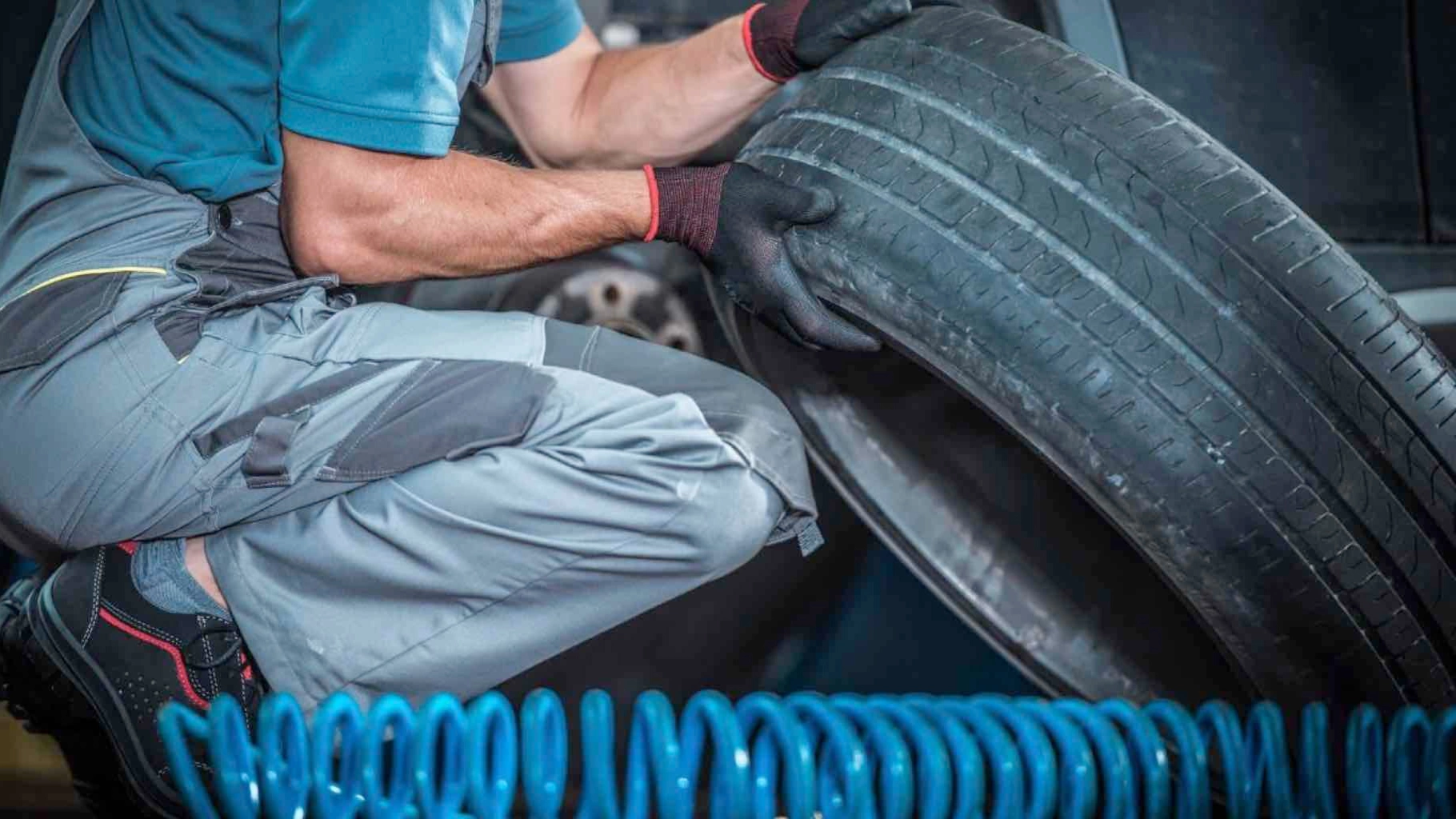
Tyres are one of the most overlooked risks during summer. As road temperatures rise, air inside tyres expands, increasing pressure and reducing stability. At the same time, rubber compounds weaken faster under sustained heat exposure.
This combination increases the risk of blowouts, especially on highways or during long-distance drives between emirates.
Heat-related tyre risks include:
- Sudden pressure spikes during long drives
- Reduced grip on hot asphalt
- Sidewall cracking in older tyres
Battery Stress in Petrol, Diesel Cars vs EVs
Battery performance is affected in all vehicles during extreme heat, but the impact differs between traditional cars and electric vehicles. In petrol and diesel cars, heat reduces battery life and increases the risk of weak starts. In EVs, heat directly impacts driving range and charging speed.
EV batteries rely on thermal management systems, but prolonged exposure to high temperatures—especially while parked—can still reduce efficiency and long-term capacity.
EV-specific summer challenges:
- Reduced driving range in extreme heat
- Slower fast charging during peak temperatures
- Battery cooling system load increase
What Most Drivers Get Wrong Before Summer Starts

Many drivers assume their car is ready for summer as long as it runs normally in spring. This is one of the most common mistakes in the UAE. Heat does not affect cars instantly—it exposes weaknesses over time.
Common mistakes include:
- Ignoring coolant age and only checking level
- Assuming tyres are safe if they “look fine”
- Delaying battery checks until failure happens
- Underestimating AC system load in peak heat
These oversights are responsible for a large portion of roadside breakdowns during peak summer months.
Step-by-Step Summer Preparation Plan (Simple & Effective)
Instead of random checks, a structured preparation plan ensures nothing important is missed. This approach focuses on prevention rather than reaction.
Before summer peaks, follow this sequence:
- Inspect and top up coolant (petrol/diesel cars)
- Check tyre pressure and condition weekly
- Test battery health (especially if older than 2 years)
- Service air conditioning system and replace filters
- Check EV battery cooling performance and software updates
How EV Drivers Should Prepare Differently for UAE Summer
Electric vehicles require a different approach because their performance is directly tied to battery temperature. Unlike petrol and diesel cars, EVs are more sensitive to prolonged heat exposure, especially when parked outdoors.
Parking in shaded areas, avoiding unnecessary fast charging during peak heat hours, and using cabin pre-conditioning while plugged in are essential habits for EV owners in the UAE.
Warning Signs Your Car Is Struggling in Summer Heat
Recognizing early warning signs can prevent breakdowns before they happen. Most heat-related failures give drivers subtle signals before becoming serious problems.
Watch for these indicators:
- Engine temperature rising faster than usual
- AC taking longer to cool the cabin
- Unusual smells after driving
- Dashboard warning lights appearing intermittently
- Noticeable drop in EV range
Summer Preparation Is About Preventing Heat Failure, Not Routine Service
Learning how to prepare your car for summer in the UAE is not just about ticking off maintenance tasks—it is about understanding how extreme heat affects different vehicle systems. Petrol, diesel, and electric cars all respond differently to heat stress, but the outcome is the same when ignored: breakdowns, reduced performance, and avoidable repair costs.
A structured approach focused on cooling systems, tyres, batteries, and early warning signs ensures your car survives the UAE summer safely and reliably.
FAQs
How do I prepare my car for summer in the UAE?
Focus on cooling system health, tyre condition, battery performance, and air conditioning efficiency before peak heat arrives.
Why do most cars break down in UAE summer?
Extreme heat accelerates wear in cooling systems, tyres, and batteries, often exposing existing weaknesses that were not visible in cooler months.
Do EVs need different summer preparation than petrol cars?
Yes. EVs require attention to battery temperature management, charging habits, and parking conditions, while petrol cars rely more on cooling system health.
How often should tyres be checked in summer?
At least once a week due to rapid pressure changes caused by high road temperatures.
Suggested Internal Links: